Researchers shed light on sulfolane pollution in the Prairies
Advertisement
Read this article for free:
or
Already have an account? Log in here »
To continue reading, please subscribe:

Digital Subscription
One year of digital access for only $205*
- Enjoy unlimited reading on winnipegfreepress.com
- Read the E-Edition, our digital replica newspaper
- Access News Break, our award-winning app
- Play interactive puzzles
*First annual payment billed as $205.00 + GST for one year. This annual subscription will automatically renew at $233.00 + GST every 52 weeks (10% off the regular annual price of $259.35). Offer available to new and qualified returning subscribers only. Cancel any time.
To continue reading, please subscribe:
Add Free Press access to your Brandon Sun subscription for only an additional
$1 for the first 4 weeks*
- Enjoy unlimited reading on winnipegfreepress.com
- Read the E-Edition, our digital replica newspaper
- Access News Break, our award-winning app
- Play interactive puzzles
*Your next Brandon Sun subscription payment will increase by $1.00 and you will be charged $17.95 plus GST for four weeks. After four weeks, your payment will increase to $24.95 plus GST every four weeks.
Read unlimited articles for free today:
or
Already have an account? Log in here »
Hey there, time traveller!
This article was published 18/04/2024 (906 days ago), so information in it may no longer be current.
In the Prairies, where oil and gas sites sprinkle much of land, researchers are calling attention to a little-known chemical pollutant the fossil fuel industry has for decades released into the natural environment. Sulfolane was long thought to be harmless but now there is growing evidence of its toxicity, and emerging calls to clean it up.
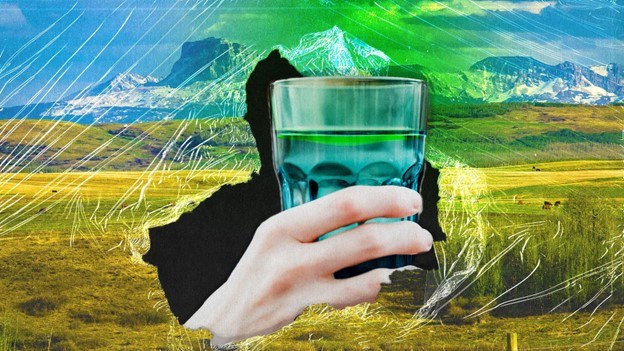
Sulfolane was first used in the 1940s by Shell, and has since been broadly adopted by the industry. In Alberta, it is used heavily to “sweeten” sour gas (which makes up a third of natural gas in the province) by removing acidic components from it, explains researcher Erica Pensini, an associate professor of engineering at the University of Guelph. There is little data on the impact of the chemical on humans, but it has been shown to affect fertility in cattle, and Health Canada notes that “overall, oral exposure to sulfolane in experimental animals was associated with immunological, renal and reproductive and developmental effects.”
To read more of this story first reported by Canada’s National Observer, click here.
This content is made available to Winnipeg Free Press readers as part of an agreement with Canada’s National Observer that sees our two trusted news brands collaborate to better cover Canada. Questions about Observer content can be directed to adrienne@nationalobserver.com.