Philippine students are told to stay home as Southeast Asia copes with a sweltering heat wave
Advertisement
Read this article for free:
or
Already have an account? Log in here »
To continue reading, please subscribe:

Digital Subscription
One year of digital access for only $205*
- Enjoy unlimited reading on winnipegfreepress.com
- Read the E-Edition, our digital replica newspaper
- Access News Break, our award-winning app
- Play interactive puzzles
*First annual payment billed as $205.00 + GST for one year. This annual subscription will automatically renew at $233.00 + GST every 52 weeks (10% off the regular annual price of $259.35). Offer available to new and qualified returning subscribers only. Cancel any time.
To continue reading, please subscribe:
Add Free Press access to your Brandon Sun subscription for only an additional
$1 for the first 4 weeks*
- Enjoy unlimited reading on winnipegfreepress.com
- Read the E-Edition, our digital replica newspaper
- Access News Break, our award-winning app
- Play interactive puzzles
*Your next Brandon Sun subscription payment will increase by $1.00 and you will be charged $17.95 plus GST for four weeks. After four weeks, your payment will increase to $24.95 plus GST every four weeks.
Read unlimited articles for free today:
or
Already have an account? Log in here »
Hey there, time traveller!
This article was published 29/04/2024 (887 days ago), so information in it may no longer be current.
MANILA (AP) — Southeast Asia was coping with a weekslong heat wave on Monday as record-high temperatures led to school closings in several countries and urgent health warnings throughout the region.
Millions of students in all public schools across the Philippines were ordered to stay home Monday after authorities canceled in-person classes for two days. The main advice for everyone, everywhere has been to avoid outdoor activities and drink plenty of water, but the young and the elderly were told to be especially careful.
Cambodia this year is facing the highest temperatures in 170 years, Chan Yutha, a spokesperson for the Ministry of Water Resources and Meteorology, told The Associated Press on Monday. His agency has forecast that temperatures in most parts of the country could reach up to 43 degrees Celsius (109 degrees Fahrenheit) this week.
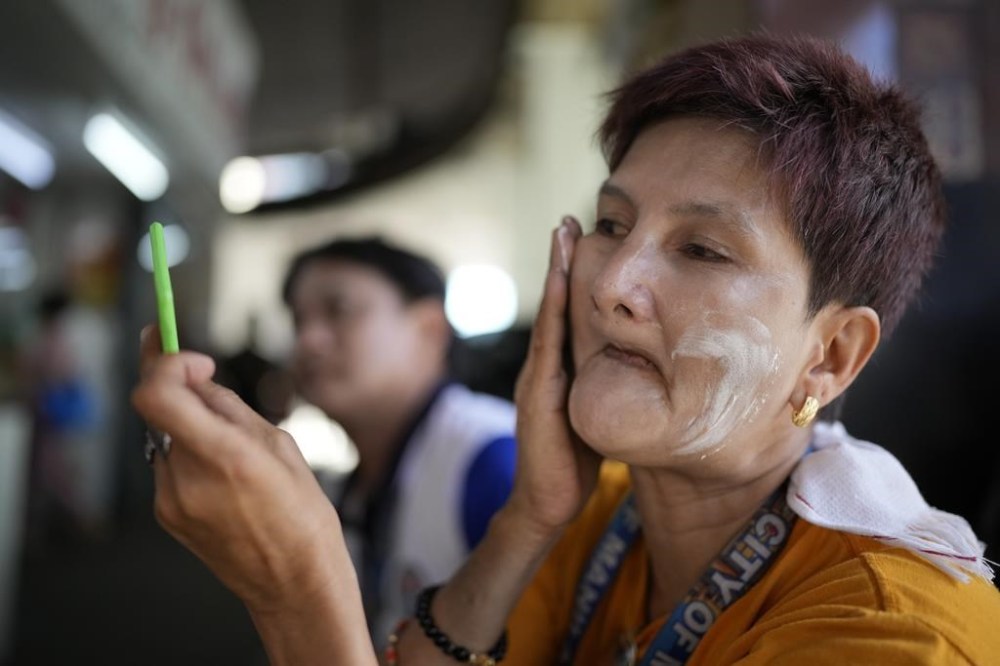
Myanmar’s meteorological department said Monday that seven townships in the central Magway, Mandalay, Sagaing and Bago regions experienced record-high temperatures. Several towns in Myanmar last week were on lists of the hottest spots worldwide.
Chauk township in Magway, historically the country’s hottest region, saw Myanmar’s highest temperature at 48.2 degrees Celsius (118.8 degrees Fahrenheit), breaking the previous record of 47.4 degrees Celsius (117.3 degrees Fahrenheit) set in 1968.
The Philippines is among the nations worst affected by the sweltering weather in Southeast Asia, where the intense tropical summer heat worsened by humidity forced class cancellations in recent weeks and sparked fears of water shortages, power outages and damage to agricultural crops.
The Department of Education ordered students in more than 47,000 public schools to switch to home-based and online learning due to health risks from record-high temperatures and a three-day strike starting Monday by drivers who oppose a government program they fear would remove dilapidated passenger jeepneys from streets.
Large crowds have sought relief in air-conditioned shopping malls in Metropolitan Manila, the congested capital region of more than 14 million people where the temperature soared to 38.8 degrees Celsius (101.84 Fahrenheit) Saturday, surpassing the record set decades ago, according to weather officials.
In Thailand, temperatures have topped 44 C (111 F) in some areas in the northern parts of the country, while the capital Bangkok and metropolitan areas have seen temperatures go above 40 C (104 F). The forecast from the Meteorological Department said this year’s summer, which usually lasts from late February to late May, is expected to be 1-2 degrees hotter than last year, and rainfall will be lower than average.
Thailand’s Department of Disease Control said last week that at least 30 people have died from heatstroke so far this year, compared to 37 for all of last year.
Scientists have said the number of heat-related deaths around the world has been rising significantly in recent years along with temperatures, but the trend in Asia this year so far is unclear, partly because of the question of how to classify deaths that appear to be heat related.
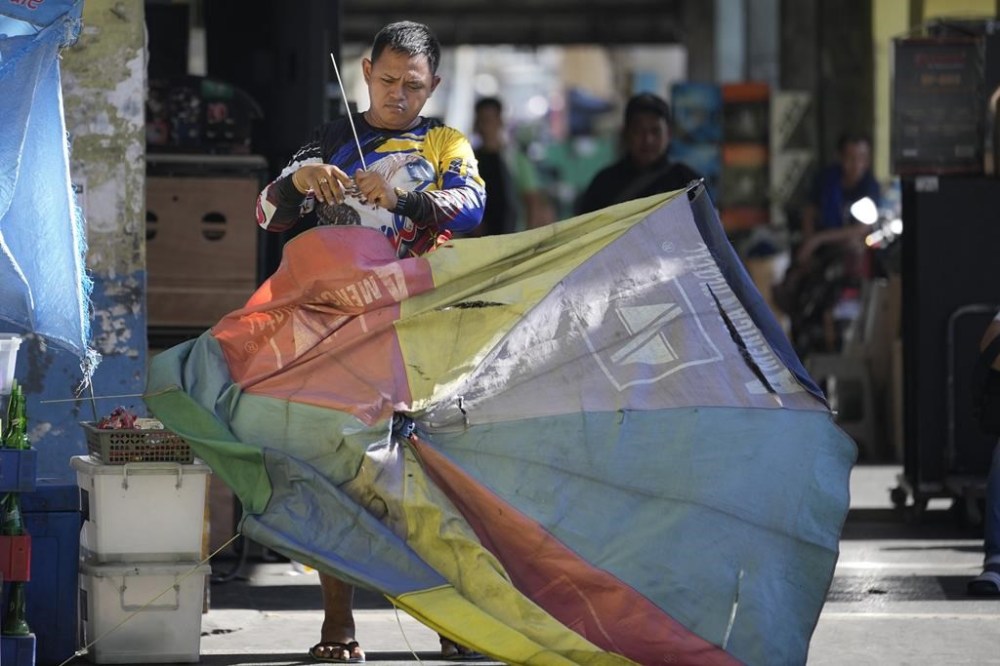

At least 34 people have fallen ill due to the extreme heat in the Philippines so far this year, including six who died. The Department of Health said it was verifying what exactly caused the deaths.
Media in Bangladesh reported that in a five-day period earlier this month, at least 20 people died from heatstroke.
In Cambodia, however, officials indicated there were few if any heat-related fatalities. The Khmer Times, an online news platform, quoted the head of the Health Department of Phnom Penh, the capital, saying there had been no heat-related deaths or collapses.
——-
Associated Press writers Sopheng Cheang in Phnom Penh, Cambodia and Jintamas Saksornchai in Bangkok contributed to this report.