Flash floods kill more than 300 people in northern Afghanistan after heavy rains, UN says
Advertisement
Read this article for free:
or
Already have an account? Log in here »
To continue reading, please subscribe:
Monthly Digital Subscription
$0 for the first 4 weeks*
- Enjoy unlimited reading on winnipegfreepress.com
- Read the E-Edition, our digital replica newspaper
- Access News Break, our award-winning app
- Play interactive puzzles
*No charge for 4 weeks then price increases to the regular rate of $19.00 plus GST every four weeks. Offer available to new and qualified returning subscribers only. Cancel any time.
Monthly Digital Subscription
$4.75/week*
- Enjoy unlimited reading on winnipegfreepress.com
- Read the E-Edition, our digital replica newspaper
- Access News Break, our award-winning app
- Play interactive puzzles
*Billed as $19 plus GST every four weeks. Cancel any time.
To continue reading, please subscribe:
Add Free Press access to your Brandon Sun subscription for only an additional
$1 for the first 4 weeks*
*Your next subscription payment will increase by $1.00 and you will be charged $16.99 plus GST for four weeks. After four weeks, your payment will increase to $23.99 plus GST every four weeks.
Read unlimited articles for free today:
or
Already have an account? Log in here »
Hey there, time traveller!
This article was published 11/05/2024 (577 days ago), so information in it may no longer be current.
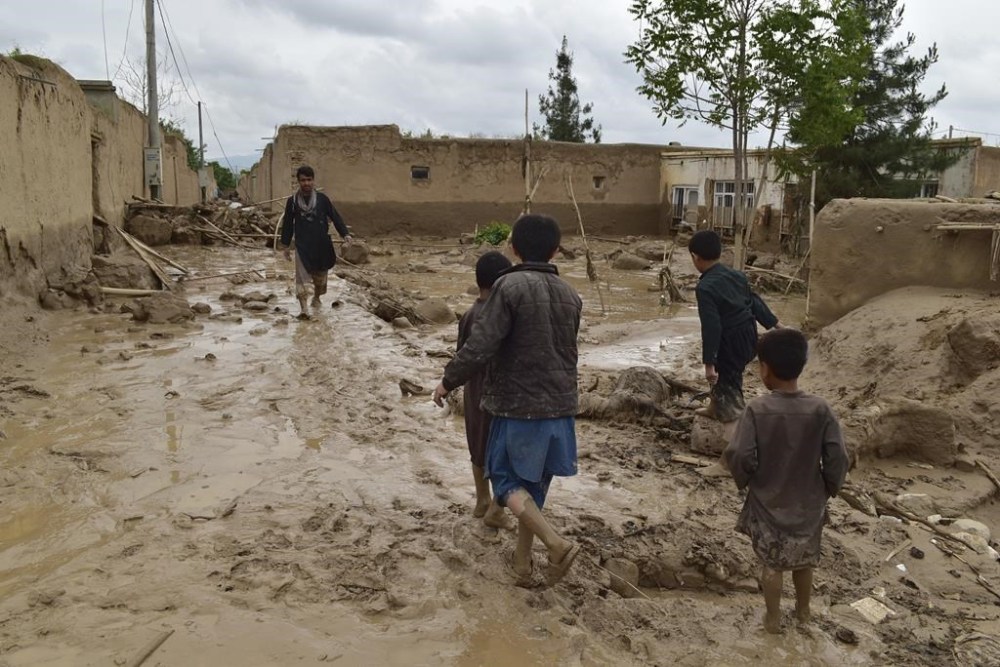
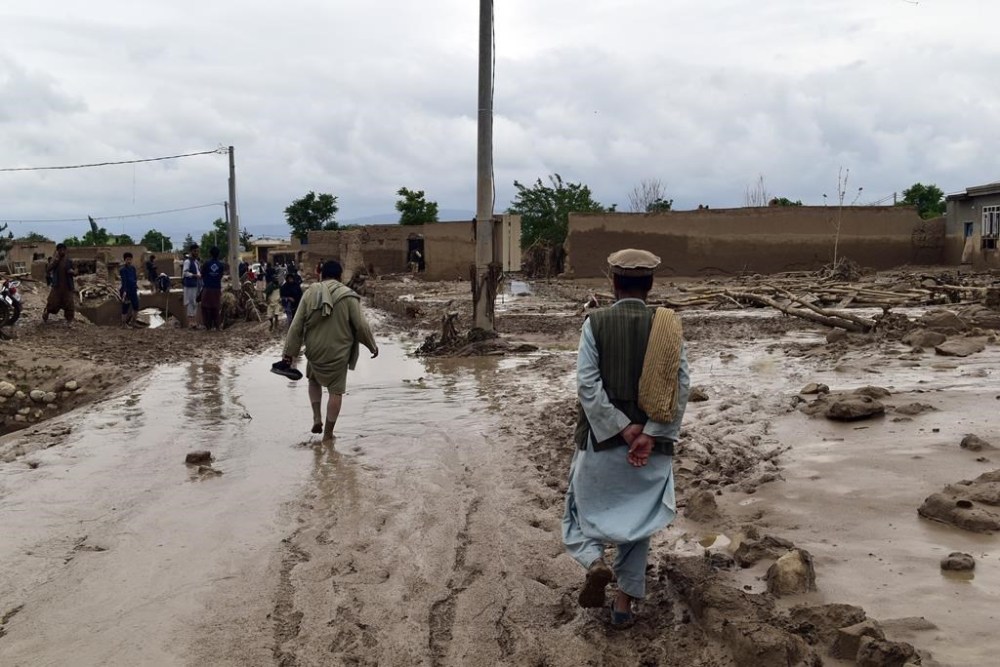
ISLAMABAD (AP) — Flash floods from unusually heavy seasonal rains in Afghanistan have killed more than 300 people and destroyed over 1,000 houses, the U.N. food agency said Saturday.
The World Food Program said it was distributing fortified biscuits to the survivors of one of the many floods that hit Afghanistan over the last few weeks, mostly the northern province of Baghlan, which bore the brunt of the deluges Friday.
In neighboring Takhar province, state-owned media outlets reported the floods killed at least 20 people.
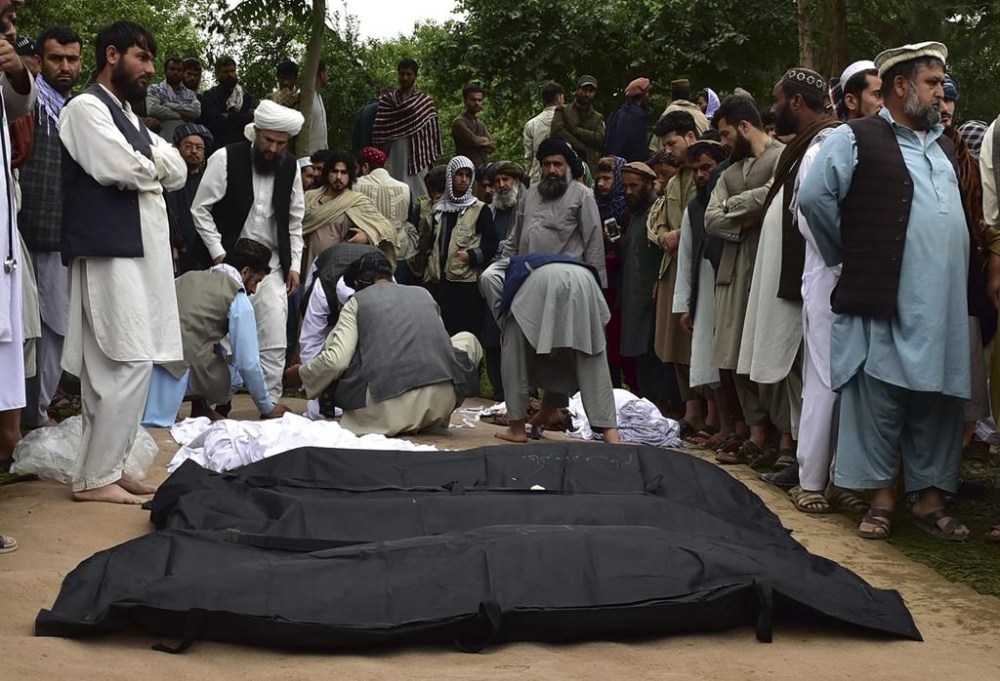
Videos posted on social media showed dozens of people gathered Saturday behind the hospital in Baghlan looking for their loved ones. An official tells them that they should start digging graves while their staff are busy preparing bodies for burial.
Zabihullah Mujahid, the chief spokesman for the Taliban government, posted on the social media platform X that “hundreds … have succumbed to these calamitous floods, while a substantial number have sustained injuries.”
Mujahid identified the provinces of Badakhshan, Baghlan, Ghor and Herat as the worst hit. He added that “the extensive devastation” has resulted in “significant financial losses.”
He said the government had ordered all available resources mobilized to rescue people, transport the injured and recover the dead.
The floods hit as Afghanistan is still reeling from a string of earthquakes at the beginning of the year as well as severe flooding in March, said Salma Ben Aissa, Afghanistan director for the International Rescue Committee.

“Communities have lost entire families, while livelihoods have been decimated as a result,” she said. “This should sound an alarm bell for world leaders and international donors: we call upon them to not forget Afghanistan during these turbulent global times.”
The IRC said that apart from the lives lost, infrastructure including roads and power lines had been destroyed in Baghlan, Ghor, Kunduz, Badakhshan, Samangan, Badghis and Takhar provinces. It said the agency is preparing to scale up its emergency response in affected areas.
The Taliban Defense Ministry said in a statement Saturday that the country’s air force has already begun evacuating people in Baghlan and had rescued a large number of people stuck in flooded areas and transported 100 injured to military hospitals in the region.
Richard Bennett, U.N. special rapporteur on the situation of human rights in Afghanistan, said on X that the floods are a stark reminder of Afghanistan’s vulnerability to the climate crisis and both immediate aid and long-term planning by the Taliban and international actors are needed.
At least 70 people died in April from heavy rains and flash floods in the country. About 2,000 homes, three mosques, and four schools were also damaged.