‘War on coal’ rhetoric heats up as Biden seeks to curb pollution with election looming
Advertisement
Read this article for free:
or
Already have an account? Log in here »
To continue reading, please subscribe:

Digital Subscription
One year of digital access for only $205*
- Enjoy unlimited reading on winnipegfreepress.com
- Read the E-Edition, our digital replica newspaper
- Access News Break, our award-winning app
- Play interactive puzzles
*First annual payment billed as $205.00 + GST for one year. This annual subscription will automatically renew at $233.00 + GST every 52 weeks (10% off the regular annual price of $259.35). Offer available to new and qualified returning subscribers only. Cancel any time.
To continue reading, please subscribe:
Add Free Press access to your Brandon Sun subscription for only an additional
$1 for the first 4 weeks*
- Enjoy unlimited reading on winnipegfreepress.com
- Read the E-Edition, our digital replica newspaper
- Access News Break, our award-winning app
- Play interactive puzzles
*Your next Brandon Sun subscription payment will increase by $1.00 and you will be charged $17.95 plus GST for four weeks. After four weeks, your payment will increase to $24.95 plus GST every four weeks.
Read unlimited articles for free today:
or
Already have an account? Log in here »
Hey there, time traveller!
This article was published 30/05/2024 (856 days ago), so information in it may no longer be current.
COLSTRIP, Mont. (AP) — Actions by President Joe Biden’s administration that could hasten closures of heavily polluting coal power plants and the mines that supply them are reviving Republican rhetoric about a so-called “war on coal” ahead of the November election.
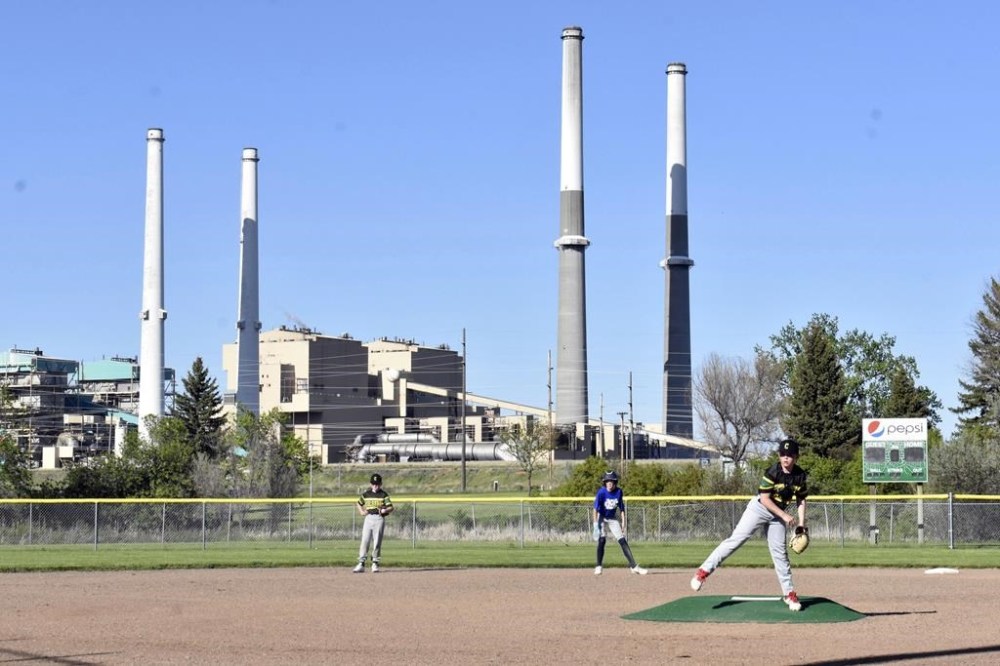
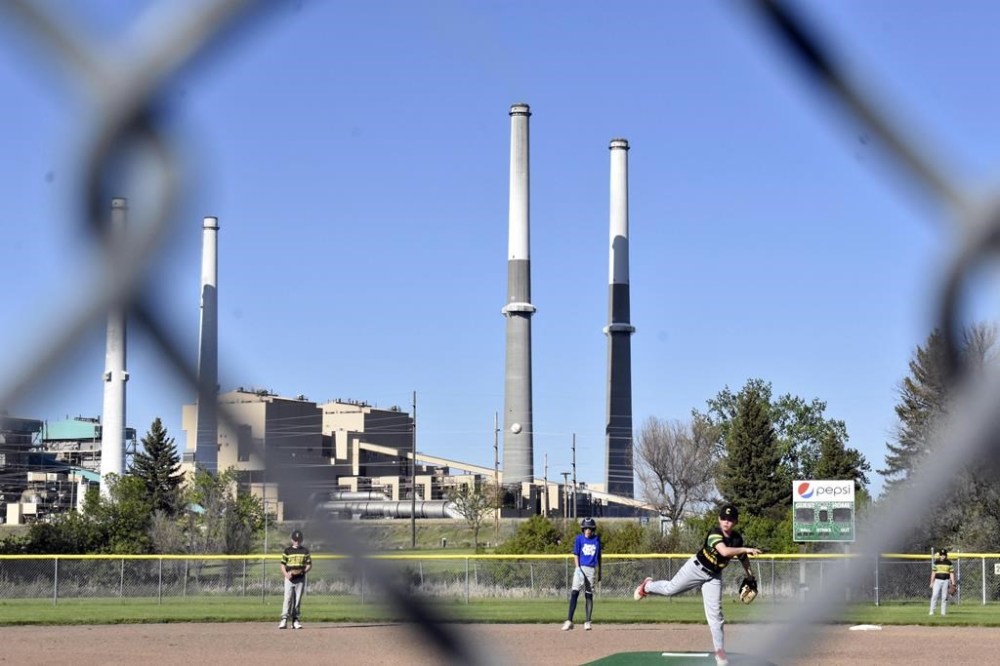
The front line in the political battle over the fuel is in the Powder River Basin of Wyoming and Montana, a sparsely populated section of the Great Plains with the nation’s largest coal mines. It’s also home to a massive power plant in Colstrip, Montana, that emits more toxic air pollutants such as lead and arsenic than any other U.S. facility of its kind, according to the Environmental Protection Agency.
The EPA last month finalized a suite of rules that could force the Colstrip Generating Station to shut down or spend an estimated $400 million to clean up its emissions within the next several years. Another proposal, from the U.S. Interior Department, would end new leasing of taxpayer-owned coal reserves in the Powder River Basin, clouding the future of mines including Westmoreland Mining’s Rosebud Mine that provides about 6 million tons of fuel annually for Colstrip.
Eight years ago during his first White House run, Donald Trump stoked populist anger against government regulation by highlighting anti-coal measures taken under former President Barack Obama. The latest moves against coal have teed up the issue again for Republicans seeking to unseat Biden in the November election. Some coal-state Democrats also raised concerns.
“This onslaught of new rules is going to kill jobs and will kill communities like Colstrip,” Montana Republican Sen. Steve Daines said during a visit to Rosebud Mine this week with Republican Gov. Greg Gianforte. “What will change this outcome is an election and a new administration.”
U.S. coal consumption dropped precipitously over the past decade as cheap natural gas and renewables expanded. Yet coal’s political potency endures as detractors try to further curb burning of the fuel that’s a major contributor to climate change and air pollution.
It remains an economic mainstay in communities such as Colstrip, generating jobs where workers can earn $100,000 annually, according to union officials.
The Biden administration defended the latest restrictions on coal as necessary to reduce harmful pollutants, improve public health and address court rulings over climate change.
A Biden campaign representative noted that coal’s decline continued during Trump’s presidency.
“There is no war on coal, there is only a fight for our energy future,” campaign spokesperson James Singer said. “Under President Biden, the United States is closer to energy independence than we have been in decades.”
Even with the ban on new coal leases, companies already hold leases on more than 4 billion tons of coal on taxpayer-owned lands. And administration officials say that’s enough to sustain mining for decades.
Supporters said the crackdown on pollution from coal plants was long overdue. Its origins trace to 1990 amendments to the Clean Air Act that directed the EPA to set standards for pollution reduction technologies.
Dr. Robert Merchant, a pulmonologist from Billings, Montana, said research data is clear that pollution from Colstrip and other plants is linked to medical problems including cancers, developmental delays in children and heart attacks.
“The problem with Colstrip or any large industry like that is they’re very good at understanding the economics as it impacts their balance sheets and bottom line,” Merchant said. “Unfortunately, the health effects are not appearing on their bottom line.”
Representatives of the Northern Cheyenne Tribe had urged the Biden administration to adopt the pollution rules to protect air quality on their reservation just south of Colstrip.
The plant opened in the mid-1970s and was later expanded. It towers over Colstrip, a town of about 2,000 people. It’s linked to the Rosebud Mine by miles of conveyor belts that transport a steady supply of coal to the 1,480 megawatt plant, where it is burned to generate electricity for distribution across the state.
Brian Bird, president of Colstrip co-owner NorthWestern Energy, said the characterization of Colstrip by EPA Administrator Michael Regan during Congressional hearings as the “highest emitter in the country” was deceptive because of the plant’s size — one of the largest coal plants west of the Mississippi River. Bird said Colstrip was “in the middle of the pack” in terms of the amount of pollution per megawatt of power generated.
Some Democrats said federal agencies were moving too fast and too aggressively against coal.
Montana Democratic Sen. Jon Tester said the EPA rules “missed the mark” since it could cost hundreds of millions of dollars for Colstrip to come into compliance. In West Virginia — the second largest coal producer behind Wyoming — Sen. Joe Manchin accused Biden of trying to “score short-term political points” by issuing the new rules in an election year.
Manchin announced Friday that he was leaving the Democratic party and registering as an independent, citing the “partisan extremism” of the two major political parties.
Tester is considered one of the most vulnerable Democrats in the Senate heading into the election, with Republicans needing to pick up just two seats to retake control of the chamber.
His Republican challenger, Tim Sheehy, railed against the “Biden Tester climate cult” following announcement of the ban on new coal leases. Tester spokesperson Eli Cousin said the lawmaker was still reviewing the administration’s proposal.
Manchin is not seeking reelection when his term ends in January. Republican Gov. Jim Justice is running for the seat, and the EPA rules could help push voters into his corner as he faces Democrat Glenn Elliott, the mayor of Wheeling, West Virginia.

Elliott has advocated for more green energy in West Virginia but hasn’t commented on the EPA rules.
EPA officials pledged to work with the Colstrip plant’s owners “to help them find a path forward” in response to concerns from by Tester and other lawmakers. Agency officials said 93% of coal-fired plants had shown they could comply with the new air pollution standards.
“We gave plants the maximum amount of time to comply with the standards we are allowed to under the Clean Air Act — three years plus the possibility of a one-year extension,” EPA spokesperson Shayla Powell said in a statement.
___
Associated Press reporters Matthew Daly in Washington and Leah Willingham in Charleston, West Virginia, contributed to this story.