No takers for Alberta program offering partial credit for partial oil well cleanup
Advertisement
Read this article for free:
or
Already have an account? Log in here »
To continue reading, please subscribe:

Digital Subscription
One year of digital access for only $205*
- Enjoy unlimited reading on winnipegfreepress.com
- Read the E-Edition, our digital replica newspaper
- Access News Break, our award-winning app
- Play interactive puzzles
*First annual payment billed as $205.00 + GST for one year. This annual subscription will automatically renew at $233.00 + GST every 52 weeks (10% off the regular annual price of $259.35). Offer available to new and qualified returning subscribers only. Cancel any time.
To continue reading, please subscribe:
Add Free Press access to your Brandon Sun subscription for only an additional
$1 for the first 4 weeks*
- Enjoy unlimited reading on winnipegfreepress.com
- Read the E-Edition, our digital replica newspaper
- Access News Break, our award-winning app
- Play interactive puzzles
*Your next Brandon Sun subscription payment will increase by $1.00 and you will be charged $17.95 plus GST for four weeks. After four weeks, your payment will increase to $24.95 plus GST every four weeks.
Read unlimited articles for free today:
or
Already have an account? Log in here »
Hey there, time traveller!
This article was published 06/09/2024 (754 days ago), so information in it may no longer be current.
Landowner resistance seems to have quashed an Alberta government pilot program offering energy companies partial recognition for well site cleanup that isn’t complete.
“We’ve been telling all the landowners it’s a horrible idea,” said Daryl Bennett of the Alberta Surface Rights Federation, which represents landowners.
Bennett said landowners are increasingly concerned the province plans to reduce the environmental liability of conventional oil and gas and boost its sinking bottom line at their expense.

“It seems every year industry and government come up with another way to absolve industry of their liability. We are constantly having to push back.”
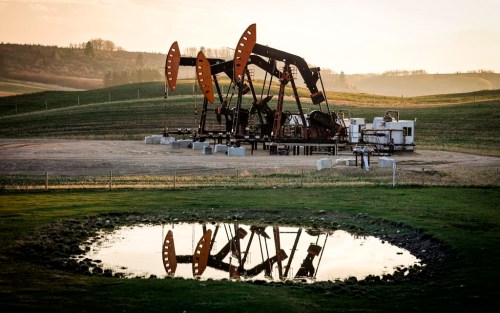
In December, the United Conservative Party government announced the Well Site Reduction pilot program, which would certify reclamation for parts of oil or gas sites that meet environmental standards, even if the site isn’t fully cleaned up or still operates. The program could cover up to 60 per cent of a well site lease.
The Alberta Energy Regulator began accepting applications for the program’s 100 spots in March. More than five months later, no companies have asked to join.
The program, which still has about a year to run, requires permission from the affected landowner. Bennett said all landowner groups in the province have told their members to withhold permission.
“Companies will go to the government and say, ‘The amount of the land is reduced, we should only have to pay half the normal compensation because we reclaimed half the site,'” Bennett said.
Meanwhile, well and other infrastructure could remain in place, continuing environmental liabilities and farming inconveniences.
Neither the Canadian Association of Petroleum Producers nor the Alberta government responded to requests for comment.
Bennett said industry experts have expressed concern to him about the program and that reducing well-lease sizes before the site is entirely cleaned up could cause havoc in the case of a spill that leaks outside the new boundaries.
“Now there’s damage claims, now there’s trespass claims and all that crap,” he said.
The program is the Alberta government’s latest attempt to deal with conflict between the province’s struggling conventional energy industry and the rural communities in which it operates. While the industry fights to remain profitable as reserves decline, farmers and rural municipalities complain about unpaid leases, $252 million in taxes in arrears and the 170,000 abandoned and orphaned wells left on the landscape.
Bennett said the province is trying to support the industry on the backs of rural Albertans.
“It’s quite a concerted effort,” he said. “Now that it’s getting difficult and the liability is increasing, we’re worried that government might take action to dump some of this liability on us.”

Rural Municipalities Alberta recently expressed similar concerns. It has said the province seems to seek increased oil production at the expense of local tax bases, environmental oversight and the public interest.
Those moves include relaxing an order requiring companies to pay municipal taxes before transferring well licences, suggestions that those taxes and regulatory requirements are too high, tax holidays on new wells and pipelines, and suggestions the energy regulator should be restricted from reviewing anything but technical details of a proposal.
The group says the tax holiday, mandated by the province, removed $9 billion in assessments from municipal tax roles. Other provincially mandated tax reductions have cost rural municipalities $332 million.
Energy Minister Brian Jean has promised new rules this fall to deal with the issue.
This report by The Canadian Press was first published Sept. 6, 2024.