A bag of Cheetos created a huge impact on a national park ecosystem
Advertisement
Read this article for free:
or
Already have an account? Log in here »
To continue reading, please subscribe:

Digital Subscription
One year of digital access for only $205*
- Enjoy unlimited reading on winnipegfreepress.com
- Read the E-Edition, our digital replica newspaper
- Access News Break, our award-winning app
- Play interactive puzzles
*First annual payment billed as $205.00 + GST for one year. This annual subscription will automatically renew at $233.00 + GST every 52 weeks (10% off the regular annual price of $259.35). Offer available to new and qualified returning subscribers only. Cancel any time.
To continue reading, please subscribe:
Add Free Press access to your Brandon Sun subscription for only an additional
$1 for the first 4 weeks*
- Enjoy unlimited reading on winnipegfreepress.com
- Read the E-Edition, our digital replica newspaper
- Access News Break, our award-winning app
- Play interactive puzzles
*Your next Brandon Sun subscription payment will increase by $1.00 and you will be charged $17.95 plus GST for four weeks. After four weeks, your payment will increase to $24.95 plus GST every four weeks.
Read unlimited articles for free today:
or
Already have an account? Log in here »
Hey there, time traveller!
This article was published 12/09/2024 (763 days ago), so information in it may no longer be current.
ALBUQUERQUE, N.M. (AP) — A bag of Cheetos gets dropped and left on the floor. Seems inconsequential, right?
Hardly.
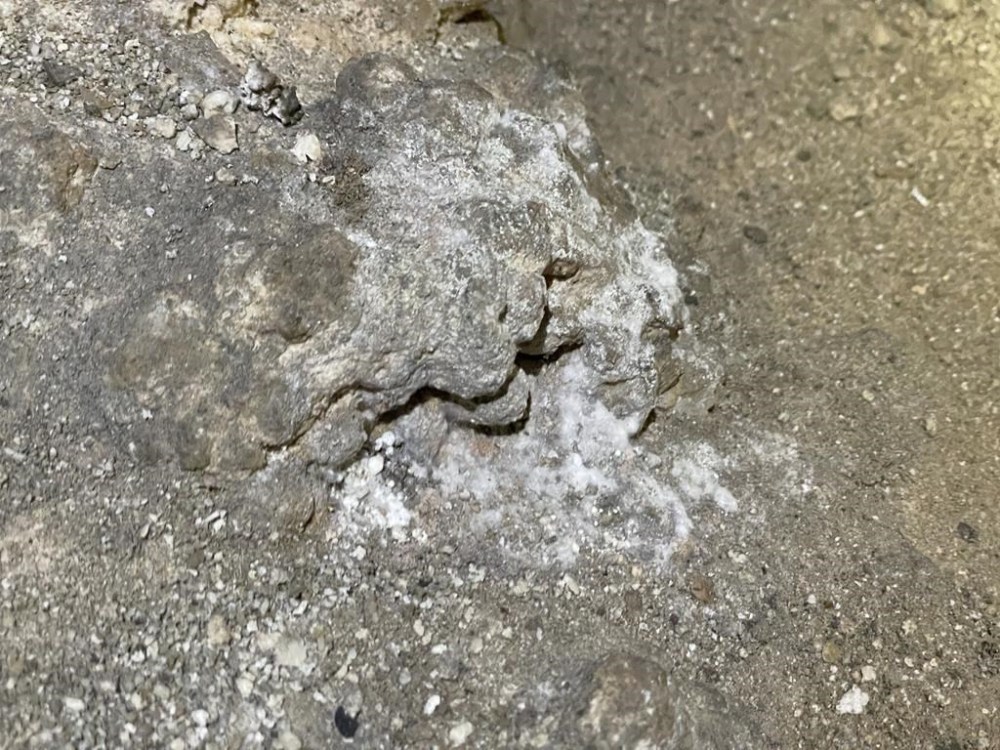
Rangers at Carlsbad Caverns National Park in southern New Mexico describe it as a “world-changing” event for the tiny microbes and insects that call this specialized subterranean environment home. The bag could have been there a day or two or maybe just hours, but those salty morsels of processed corn made soft by thick humidity triggered the growth of mold on the cavern floor and on nearby cave formations.
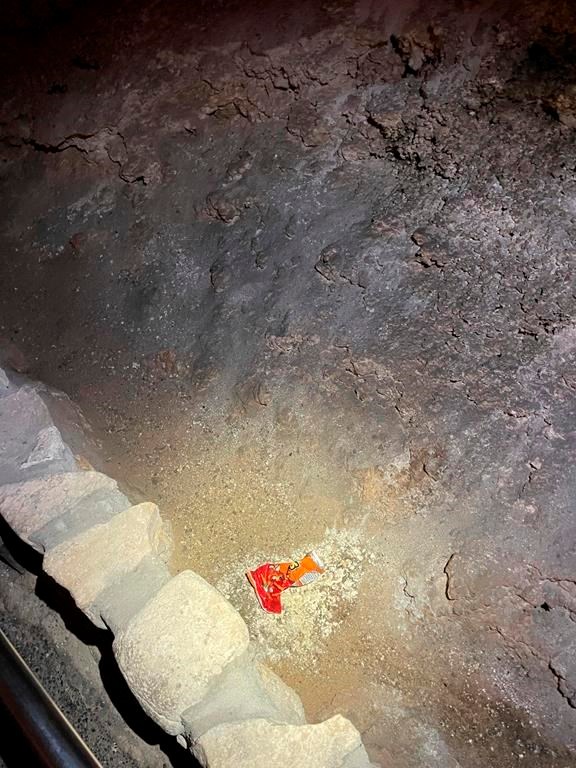
“To the ecosystem of the cave it had a huge impact,” the park noted in a social media post, explaining that cave crickets, mites, spiders and flies soon organized to eat and disperse the foreign mess, essentially spreading the contamination.
The bright orange bag was spotted off trail by a ranger during one of the regular sweeps that park staff make through the Big Room, the largest single cave chamber by volume in North America, at the end of each day. They are looking for straggling visitors and any litter or other waste that might have been left behind on the paved trail.
The Big Room is a popular spot at Carlsbad Caverns. It is a magical expanse filled with towering stalagmites, dainty stalactites and clusters of cave popcorn.
From this underground wonderland in New Mexico to lake shores in Nevada, tributaries along the Grand Canyon and lagoons in Florida, park rangers and volunteers collect tons of trash left behind by visitors each year as part of an ongoing battle to keep unique ecosystems from being compromised while still allowing visitors access.
According to the National Park Service, more than 300 million people visit the national parks each year, bringing in and generating nearly 70 million tons of trash — most of which ends up where it belongs in garbage bins and recycling containers.
But for the rest of the discarded snack bags and other debris, it often takes work to round up the waste, and organizations like Leave No Trace have been pushing their message at trailheads and online.
At Carlsbad Caverns, volunteers comb the caverns collecting lint. One five-day effort netted as much as 50 pounds (22.68 kilograms). Rangers also have sweep packs and spill kits for the more delicate and sometimes nasty work that can include cleaning up human waste along the trail.
“It’s such a dark area, sometimes people don’t notice that it’s there. So they walk through it and it tracks it throughout the entire cave,” said Joseph Ward, a park guide who is working specifically on getting the “leave no trace” message out to park visitors and classrooms.
The rangers’ kits can include gloves, trash bags, water, bleach mixtures for decontamination, vacuums and even bamboo toothbrushes and tweezers for those hard-to-reach spots.
As for the spilled Cheetos, Ward told The Associated Press that could have been avoided because the park doesn’t allow food beyond the confines of the historic underground lunchroom.
After the bag was discovered in July, cave specialists at the park settled on the best way to clean it up. Most of the mess was scooped up, and a toothbrush was used to remove rings of mold and fungi that had spread to nearby cave formations. It was a 20-minute job.
Some jobs can take hours and involve several park employees, Ward said.
Robert Melnick, professor emeritus at the University of Oregon, has been studying the cultural landscape of Carlsbad Caverns, including features like a historic wooden staircase that has become another breeding ground for exotic mold and fungi. He and his team submitted a report to the park this week that details those resources and makes recommendations for how the park can manage them into the future.
The balancing act for park managers at Carlsbad and elsewhere, Melnick said, is meeting the dual mandate of preserving and protecting landscapes while also making them accessible.
“I don’t quite know how you would monitor it except to constantly remind people that the underground, the caves are a very, very sensitive natural environment,” he said.
Pleas to treat the caverns with respect are plastered on signs throughout the park, rangers give orientations to visitors before they go underground, and reminders of the do’s and don’ts are printed on the back of each ticket stub.
But sometimes there is a disconnect between awareness and personal responsibility, said JD Tanner, director of education and training at Leave No Trace.
Many people may be aware of the need to “keep it pristine,” but Tanner said the message doesn’t always translate into action or there is a lack of understanding that small actions — even leaving a piece of trash — can have irreversible damage in a fragile ecosystem.
“If someone doesn’t feel a personal stake in the preservation of these environments, they may not take the rules seriously,” Tanner said.
Diana Northup, a microbiologist who has spent years studying cave environments around the world, once crawled up the main corridor at Carlsbad Caverns to log everything that humans left behind.
“So this is just one thing of very many,” she said of the Cheetos.
As many as 2,000 people cruise through the caverns on any given day during the busy season. With them come hair and skin fragments, and those fragments can have their own microbes on board.
“So it can be really, really bad or it can just be us and all the stuff we’re shedding,” Northup said of human contamination within cave environments. “But here’s the other side of the coin: The only way you can protect caves is for people to be able to see them and experience them.”
“The biggest thing,” she said, “is you have to get people to value and want to preserve the caves and let them know what they can do to have that happen.”