

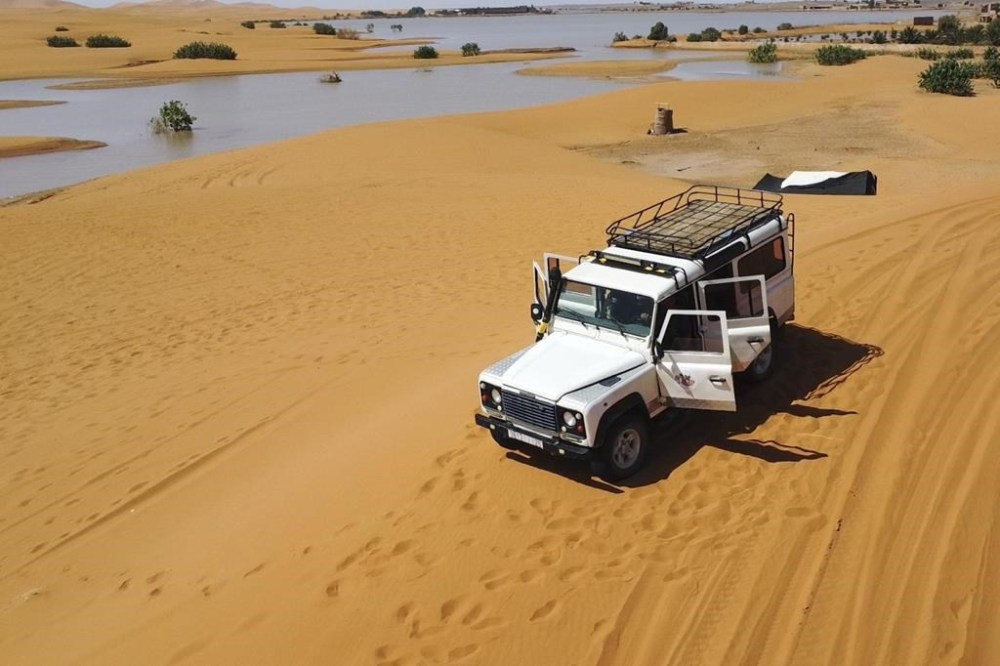
Water gushes through sand dunes after a rare rainfall in the Sahara desert
Advertisement
Read this article for free:
or
Already have an account? Log in here »
To continue reading, please subscribe:
Monthly Digital Subscription
$0 for the first 4 weeks*
- Enjoy unlimited reading on winnipegfreepress.com
- Read the E-Edition, our digital replica newspaper
- Access News Break, our award-winning app
- Play interactive puzzles
*No charge for 4 weeks then price increases to the regular rate of $19.00 plus GST every four weeks. Offer available to new and qualified returning subscribers only. Cancel any time.
Monthly Digital Subscription
$4.75/week*
- Enjoy unlimited reading on winnipegfreepress.com
- Read the E-Edition, our digital replica newspaper
- Access News Break, our award-winning app
- Play interactive puzzles
*Billed as $19 plus GST every four weeks. Cancel any time.
To continue reading, please subscribe:
Add Free Press access to your Brandon Sun subscription for only an additional
$1 for the first 4 weeks*
*Your next subscription payment will increase by $1.00 and you will be charged $16.99 plus GST for four weeks. After four weeks, your payment will increase to $23.99 plus GST every four weeks.
Read unlimited articles for free today:
or
Already have an account? Log in here »
Hey there, time traveller!
This article was published 08/10/2024 (428 days ago), so information in it may no longer be current.
RABAT, Morocco (AP) — A rare deluge of rainfall left blue lagoons of water amid the palm trees and sand dunes of the Sahara desert, nourishing some of its driest regions with more water than they had seen in decades.
Southeastern Morocco’s desert is among the most arid places in the world and rarely experiences rain in late summer.
The Moroccan government said two days of rainfall in September exceeded yearly averages in several areas that see less than 250 millimeters (10 inches) annually, including Tata, one of the areas hit hardest. In Tagounite, a village about 450 kilometers (280 miles) south of the capital, Rabat, more than 100 millimeters (3.9 inches) was recorded in a 24-hour period.

The storms left striking images of water gushing through the Saharan sands amid castles and desert flora. NASA satellites showed water rushing in to fill Lake Iriqui, a famous lake bed between Zagora and Tata that had been dry for 50 years.
In desert communities frequented by tourists, 4x4s motored through the puddles and residents surveyed the scene in awe.
“It’s been 30 to 50 years since we’ve had this much rain in such a short space of time,” said Houssine Youabeb of Morocco’s General Directorate of Meteorology.
Such rains, which meteorologists are calling an extratropical storm, may change the course of the region’s weather in months and years to come as the air retains more moisture, causing more evaporation and drawing more storms, Youabeb said.
Six consecutive years of drought have posed challenges for much of Morocco, forcing farmers to leave fields fallow and cities and villages to ration water.
The bounty of rainfall will likely help refill the large groundwater aquifers beneath the desert that are relied upon to supply water in desert communities. The region’s dammed reservoirs reported refilling at record rates throughout September. However, it’s unclear how far September’s rains will go toward alleviating drought.
Water gushing through the sands and oases left more than 20 dead in Morocco and Algeria and damaged farmers’ harvests, forcing the government to allocate emergency relief funds, including in some areas affected by last year’s earthquake.
___
Ahmed reported from Bamako, Mali.