

Southern Africa is enduring its worst hunger crisis in decades due to El Niño, the UN says
Advertisement
Read this article for free:
or
Already have an account? Log in here »
To continue reading, please subscribe:
Monthly Digital Subscription
$0 for the first 4 weeks*
- Enjoy unlimited reading on winnipegfreepress.com
- Read the E-Edition, our digital replica newspaper
- Access News Break, our award-winning app
- Play interactive puzzles
*No charge for 4 weeks then price increases to the regular rate of $19.00 plus GST every four weeks. Offer available to new and qualified returning subscribers only. Cancel any time.
Monthly Digital Subscription
$4.75/week*
- Enjoy unlimited reading on winnipegfreepress.com
- Read the E-Edition, our digital replica newspaper
- Access News Break, our award-winning app
- Play interactive puzzles
*Billed as $19 plus GST every four weeks. Cancel any time.
To continue reading, please subscribe:
Add Free Press access to your Brandon Sun subscription for only an additional
$1 for the first 4 weeks*
*Your next subscription payment will increase by $1.00 and you will be charged $16.99 plus GST for four weeks. After four weeks, your payment will increase to $23.99 plus GST every four weeks.
Read unlimited articles for free today:
or
Already have an account? Log in here »
Hey there, time traveller!
This article was published 15/10/2024 (416 days ago), so information in it may no longer be current.
CAPE TOWN, South Africa (AP) — Months of drought in southern Africa triggered by the El Niño weather phenomenon have had a devastating impact on more than 27 million people and caused the region’s worst hunger crisis in decades, the United Nations’ food agency said Tuesday.
The World Food Program warned it could become a “full-scale human catastrophe.”
Five countries — Lesotho, Malawi, Namibia, Zambia and Zimbabwe — have declared national disasters over the drought and resultant hunger. The WFP estimates that about 21 million children in southern Africa are now malnourished as crops have failed.
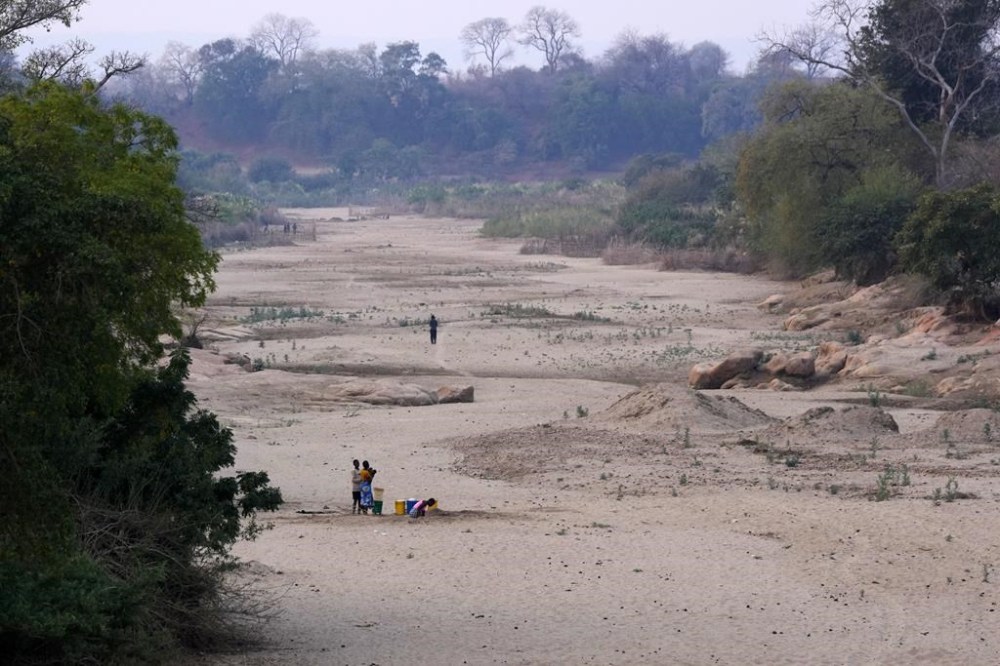
Tens of millions in the region rely on small-scale agriculture that is irrigated by rain for their food and to make money to buy provisions. Aid agencies warned of a potential disaster late last year as the naturally occurring El Niño led to below-average rainfall across the region, while its impact has been exacerbated by warming temperatures linked to climate change.
“This is the worst food crisis in decades,” WFP spokesperson Tomson Phiri said. “October in southern Africa marks the start of the lean season, and each month is expected to be worse than the previous one until harvests next year in March and April. Crops have failed, livestock have perished and children are lucky to receive one meal per day.”
The five countries that declared drought-related disasters have pleaded for international aid, while Angola on the west coast of Africa and Mozambique on the east coast are also “severely affected,” Phiri said, showing the extent to which the drought has swept across the region.
“The situation is dire,” Phiri said. He said the WFP needs around $369 million to provide immediate help but has only received a fifth of that amid a shortfall in donations. The WFP has begun helping with food assistance and other critical support at the request of various governments in the region, he said.
Phiri said southern Africa’s crisis came at a time of “soaring global needs,” with humanitarian aid also desperately required in Gaza, Sudan and elsewhere.
Other aid agencies have said the drought in southern Africa is especially harsh, with the United States aid agency, USAID, saying in June it was the most severe drought in 100 years during the January to March agricultural season, wiping out swathes of crops and food for millions.
El Niño, a weather phenomenon which warms parts of the central Pacific, has different impacts on weather in different parts of the world. The latest El Niño formed in the middle of last year and ended in June. It was blamed, along with human-caused climate change and overall ocean warmth, for a wild 12 months of heat waves and extreme weather.
In southern Africa, food prices have risen sharply in many areas affected by the drought, increasing the hardship. The drought has also had other damaging effects.
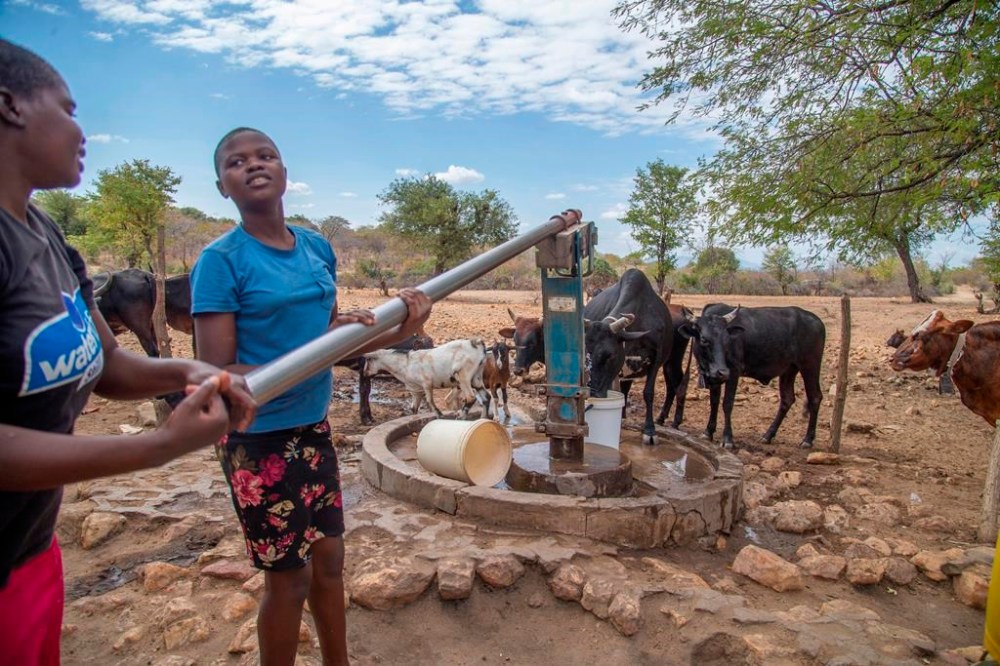
Zambia has lost much of its electricity and has been plunged into hours and sometimes days of blackouts because it relies heavily on hydroelectric power from the huge Kariba Dam. The water level of the dam is so low that it can hardly generate any power. Zimbabwe shares the dam and is also experiencing power outages.
Authorities in Namibia and Zimbabwe have resorted to killing wildlife, including elephants, to provide meat for hungry people.
Scientists say sub-Saharan Africa is one of the most vulnerable parts of the world to climate change because of a high dependency on rain-fed agriculture and natural resources. Millions of African livelihoods depend on the climate, while poor countries are unable to finance climate-resilience measures.
___
AP Africa news: https://apnews.com/hub/africa