California will soon require insurers to increase home coverage in wildfire-prone areas
Advertisement
Read this article for free:
or
Already have an account? Log in here »
To continue reading, please subscribe:

Digital Subscription
One year of digital access for only $205*
- Enjoy unlimited reading on winnipegfreepress.com
- Read the E-Edition, our digital replica newspaper
- Access News Break, our award-winning app
- Play interactive puzzles
*First annual payment billed as $205.00 + GST for one year. This annual subscription will automatically renew at $233.00 + GST every 52 weeks (10% off the regular annual price of $259.35). Offer available to new and qualified returning subscribers only. Cancel any time.
To continue reading, please subscribe:
Add Free Press access to your Brandon Sun subscription for only an additional
$1 for the first 4 weeks*
- Enjoy unlimited reading on winnipegfreepress.com
- Read the E-Edition, our digital replica newspaper
- Access News Break, our award-winning app
- Play interactive puzzles
*Your next Brandon Sun subscription payment will increase by $1.00 and you will be charged $17.95 plus GST for four weeks. After four weeks, your payment will increase to $24.95 plus GST every four weeks.
Read unlimited articles for free today:
or
Already have an account? Log in here »
Hey there, time traveller!
This article was published 30/12/2024 (634 days ago), so information in it may no longer be current.
SACRAMENTO, Calif. (AP) — Insurance companies that stopped providing home coverage to hundreds of thousands of Californians in recent years as wildfires became more destructive will have to again provide policies in fire-prone areas if they want to keep doing business in California under a state regulation announced Monday.
The rule will require home insurers to offer coverage in high-risk areas, something the state has never done, Insurance Commissioner Ricardo Lara’s office said in a statement. Insurers will have to start increasing their coverage by 5% every two years until they hit the equivalent of 85% of their market share. That means if an insurer writes 20 out of every 100 state policies, they’d need to write 17 in a high-risk area, Lara’s office said.
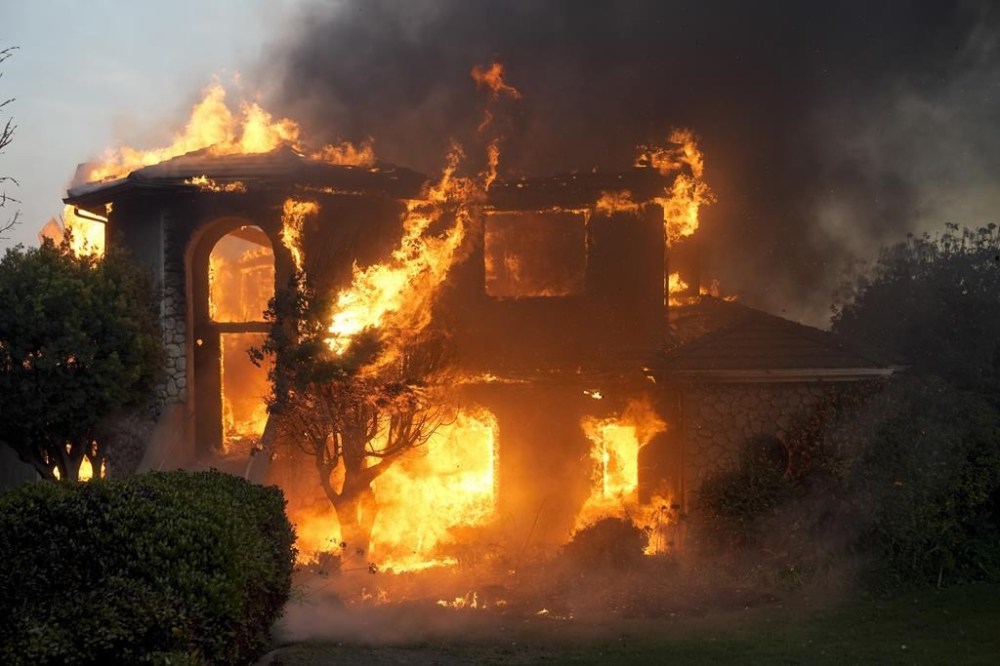
Major insurers like State Farm and Allstate have stopped writing new policies in California due to fears of massive losses from wildfires and other natural disasters.
In exchange for increasing coverage, the state will let insurance companies pass on the costs of reinsurance to California consumers. Insurance companies typically buy reinsurance to avoid huge payouts in case of natural disasters or catastrophic loss. California is the only state that doesn’t already allow the cost of reinsurance to be borne by policy holders, according to Lara’s office.
Opponents of the rule say that could hike premiums by 40% and doesn’t require new policies to be written at a fast enough pace. The state did not provide a cost analysis for potential impact on consumers.
“This plan is of the insurance industry, by the insurance industry, and for the industry,” Jamie Court, president of Consumer Watchdog, said in a statement.
The requirement is under review by the Office of Administrative Law before it takes effect within 30 days.
“Californians deserve a reliable insurance market that doesn’t retreat from communities most vulnerable to wildfires and climate change,” Lara said in a statement. “This is a historic moment for California.”
The new rule is part of Lara’s effort to persuade insurers to continue doing business in the nation’s most populous state. He unveiled another rule earlier this month to let insurers consider climate change when setting their prices. Insurance companies had said that because they can’t consider climate change in their rates, many opted to either pause or restrict new business in the state. The new rule to include climate change in rates will take effect later this week.
The ultimate goal of the new rules is to get homeowners out of the California Fair Access to Insurance Requirements (FAIR) Plan, which often serves as the last resort when insurance companies stop providing coverage for those living in areas threatened by wildfires, Lara’s office said. The plan could help a homeowner fulfill insurance requirements imposed by mortgage companies, but it is mainly designed as a temporary safety net with basic coverage until policyholders find a more permanent option. The number of people on California’s FAIR plan more than doubled between 2020 and this year, reaching nearly 452,000 policies.
Wildfires have always been part of life in California, where it only rains for a few months out of the year. But as the climate has gotten hotter and dryer, it has made those fires much larger and more intense. Of the top 20 most destructive wildfires in state history, 14 have occurred since 2015, according to the California Department of Forestry and Fire Protection.
The 2018 fire in Paradise, California, killed 85 people and destroyed about 11,000 homes, and some residents have struggled to find home insurance since.
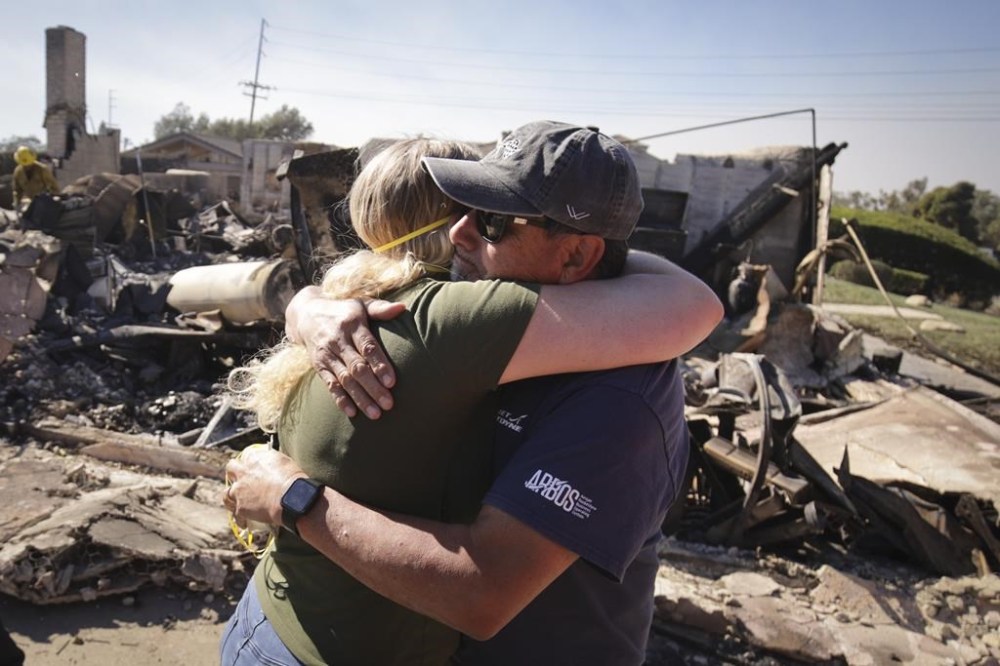
Steve Crowder, the town’s mayor, lost his house and business. Since then, his family has rebuilt their home but struggled to find insurance. The Crowders were forced to enroll in FAIR Plan earlier this month. Despite paying roughly $5,000, the mayor said his home is insured for roughly $100,000 less than its value and the house’s contents are only half-covered.

“You couldn’t rebuild what you got for what it’s insured for,” he said.
His constituents face similar problems. With policies skyrocketing from roughly $1,200 annually before the Camp Fire to $5,000 now — or even up to $20,000 a year for large homes — some have abandoned attempts to find coverage altogether.
In the years after the Camp Fire, Crowder said the town has successfully brought back some insurers after enacting new ordinances with high standards to keep structures safe, such as rules regarding clearances, vegetation and fences.
While the mayor welcomed the state’s new rules, he said he and his constituents are skeptical things will improve.
“Anything that will help get insurance in California, period, is helpful,” he said, but added: “Let’s wait and make sure it happens before we get excited.”