What this week’s winter wallop means for farmers across the U.S.
Advertisement
Read this article for free:
or
Already have an account? Log in here »
To continue reading, please subscribe:

Digital Subscription
One year of digital access for only $205*
- Enjoy unlimited reading on winnipegfreepress.com
- Read the E-Edition, our digital replica newspaper
- Access News Break, our award-winning app
- Play interactive puzzles
*First annual payment billed as $205.00 + GST for one year. This annual subscription will automatically renew at $233.00 + GST every 52 weeks (10% off the regular annual price of $259.35). Offer available to new and qualified returning subscribers only. Cancel any time.
To continue reading, please subscribe:
Add Free Press access to your Brandon Sun subscription for only an additional
$1 for the first 4 weeks*
- Enjoy unlimited reading on winnipegfreepress.com
- Read the E-Edition, our digital replica newspaper
- Access News Break, our award-winning app
- Play interactive puzzles
*Your next Brandon Sun subscription payment will increase by $1.00 and you will be charged $17.95 plus GST for four weeks. After four weeks, your payment will increase to $24.95 plus GST every four weeks.
Read unlimited articles for free today:
or
Already have an account? Log in here »
Hey there, time traveller!
This article was published 08/01/2025 (636 days ago), so information in it may no longer be current.
A nasty dose of winter weather has pummeled much of the U.S. from Kansas to the East Coast, leaving many Americans to dig out of the blizzard — including farmers. And more is on the way, with the polar air expected to continue to grip some places until at least Friday.
Farmers always watch the weather, but depending on where they’re located and what they produce, winter always presents mental challenges for growers, said Carolyn Olson, an organic farmer in southwestern Minnesota who is also vice president of the Minnesota Farm Bureau Federation Board of Directors.
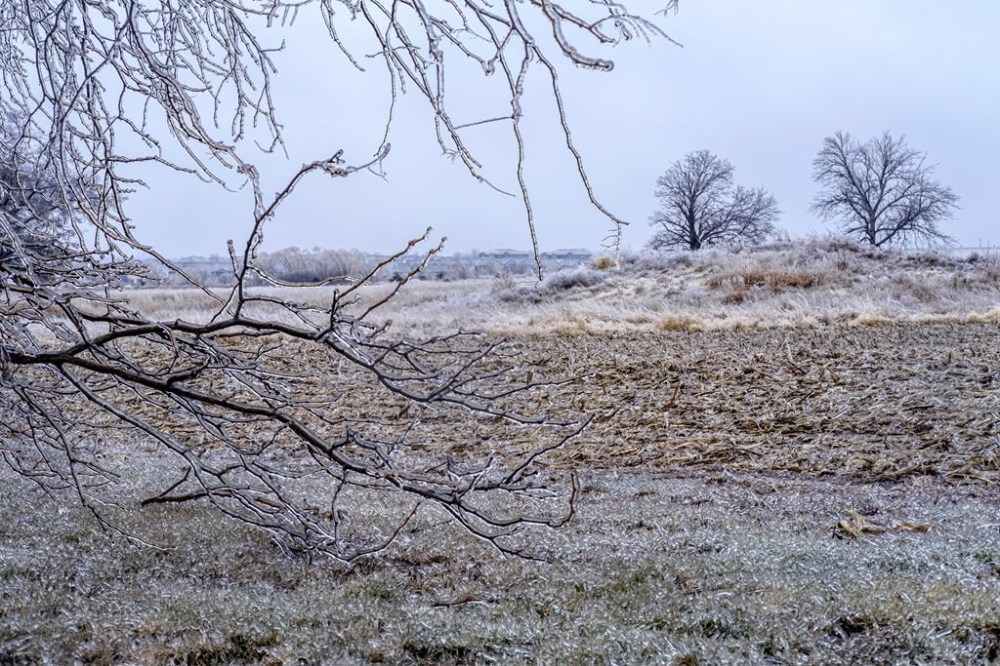
Producers know that the timing and amount of winter moisture affect farming conditions for the rest of the year. It’s also a time for planning ahead — something becoming increasingly difficult as climate change ramps up variability in snowfall, rainfall and other weather conditions that can make or break an operation.
“They’re doing that stressful part of making those decisions on how they’re going to farm this year, what they’re going to grow,” Olson said. “It’s just a lot of pressure on agriculture at this time of the year.”
Livestock producers dealing with ‘generational storm’
Biting wind and big drifts from almost a whole year’s average snowfall in a single storm are hitting farmers in some parts of Kansas “in ways that we haven’t seen in this area for a very, very long time, potentially a lifetime,” said Chip Redmond, a meteorologist at Kansas State University who developed an animal comfort tool. It includes an index of heat and cold that a farmer can use — along with their knowledge of their animals’ age, coat, overall health and so forth — to watch for situations when they may need to get animals out of dangerous areas.
The risk is real: Calves, especially, can die when temperatures slip below zero. And so much snow in rural areas can keep farmers from reaching herds with food and water, Redmond said.
That means preparing by moving animals and having a plan to care for them ahead of time is key — which is harder due to the unpredictability of climate change. And not having the right experience or infrastructure to prepare is “really, really stressful on producers,” Redmond said.
Reprieve for some typically snowy areas
The storm missed some states further north like Iowa and Minnesota that are generally more accustomed to snow. Stu Swanson, president of the Iowa Corn Growers Association, said that eases tasks like moving grain and working with livestock.
He added that without snow cover, the ground is more likely to freeze and thaw in a way that could benefit soils. Two years of drought followed by torrential rains last spring created tire ruts and compaction from farm machinery in some places, he said. He hopes that without as much snow, the freeze-thaw cycle will loosen up the soil and farmers may get the added bonus of some pests dying off before the spring.
“We don’t have any growing crop now, so really temperature doesn’t matter. We look forward to a good freeze,” Swanson said.
‘Feast or famine’: Extremes and unpredictability worry some farmers
The lack of snow is a greater concern farther north in some parts of Minnesota, where producers do have winter crops like alfalfa or winter wheat.
Reliable snow cover is important in those areas because it insulates soil from cold. A few of inches of snow on top of a field can keep winter wheat’s crown (which is still underground this time of year to withstand the winter) at 28 degrees Fahrenheit (minus 2 Celsius) even if the air temperature is as low as minus 40 Fahrenheit (minus 40 Celsius), said Jochum Wiersma, an extension professor at the University of Minnesota.
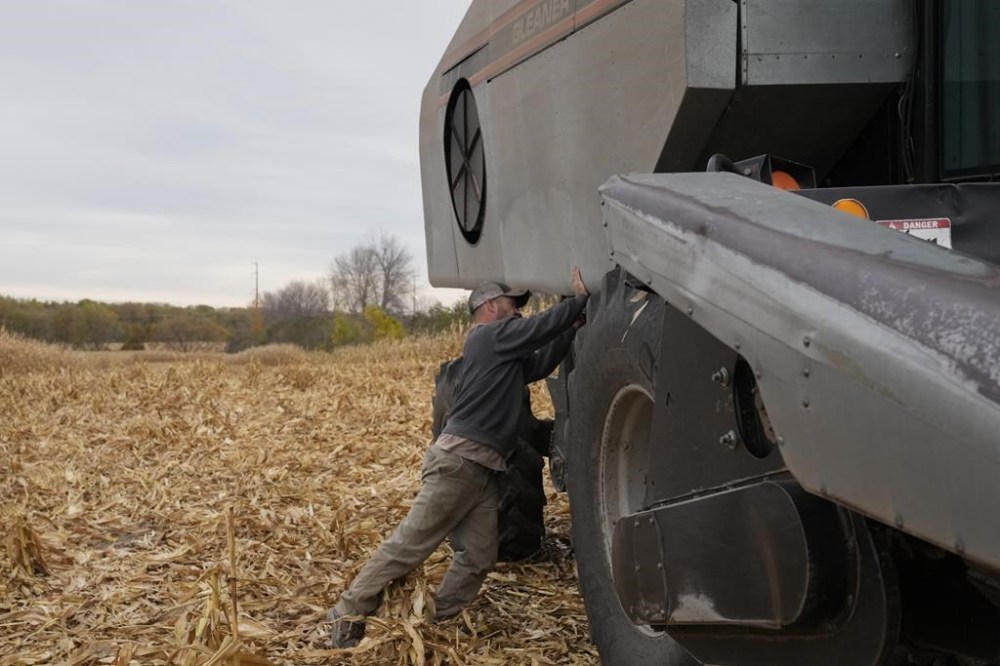
“There’s not a lot you can do, unfortunately,” when ice breaks a plant’s crown, said Martin Larsen, who grows alfalfa in addition to other crops like corn in southeastern Minnesota. He’s concerned about the long-term trends, too — he pointed out last year’s likely record warmth — and said he noticed the lack of snow cover in his region then, too.
“We were so dry going into last spring and we were in the field almost a month before we normally do. I would say that concern exists this year as well,” Larsen said.
Gary Prescher, who has been farming a small grain operation for about 50 years in south-central Minnesota, said he’s noticed more variability over the past six to 10 years. That’s changing his long-term philosophy on the farm. He said he wants to make sure his operation can handle more extreme weather events, and that excess heat, cold, dryness, wetness or wind have “forced some changes out here for me and my neighbors.”

“If you’re just looking at averages, it’s very deceiving,” he said. “It’s either all or none.”
___
Follow Melina Walling on X @MelinaWalling and Bluesky @melinawalling.bsky.social.
___
The Associated Press’ climate and environmental coverage receives financial support from multiple private foundations. AP is solely responsible for all content. Find AP’s standards for working with philanthropies, a list of supporters and funded coverage areas at AP.org.