

B.C. snowpack at 72% of normal as of Feb. 1 after ‘extremely dry’ January
Advertisement
Read this article for free:
or
Already have an account? Log in here »
To continue reading, please subscribe:
Monthly Digital Subscription
$1 per week for 24 weeks*
- Enjoy unlimited reading on winnipegfreepress.com
- Read the E-Edition, our digital replica newspaper
- Access News Break, our award-winning app
- Play interactive puzzles
*Billed as $4.00 plus GST every four weeks. After 24 weeks, price increases to the regular rate of $19.95 plus GST every four weeks. Offer available to new and qualified returning subscribers only. Cancel any time.
Monthly Digital Subscription
$4.99/week*
- Enjoy unlimited reading on winnipegfreepress.com
- Read the E-Edition, our digital replica newspaper
- Access News Break, our award-winning app
- Play interactive puzzles
*Billed as $19.95 plus GST every four weeks. Cancel any time.
To continue reading, please subscribe:
Add Free Press access to your Brandon Sun subscription for only an additional
$1 for the first 4 weeks*
*Your next subscription payment will increase by $1.00 and you will be charged $16.99 plus GST for four weeks. After four weeks, your payment will increase to $23.99 plus GST every four weeks.
Read unlimited articles for free today:
or
Already have an account? Log in here »
Hey there, time traveller!
This article was published 11/02/2025 (408 days ago), so information in it may no longer be current.
British Columbia’s average snowpack measured 28 per cent below normal at the start of February, after an “extremely dry” start to the year across much of the province.
The latest snow and water bulletin released Tuesday came after B.C. started the year at a more typical level, hitting 13 per cent below normal on Jan. 1.
Jonathan Boyd, a hydrologist with B.C.’s River Forecast Centre, said it was “strange” to see such a significant drop in a single month, especially in January, when the province typically sees the greatest accumulations of snow each winter.
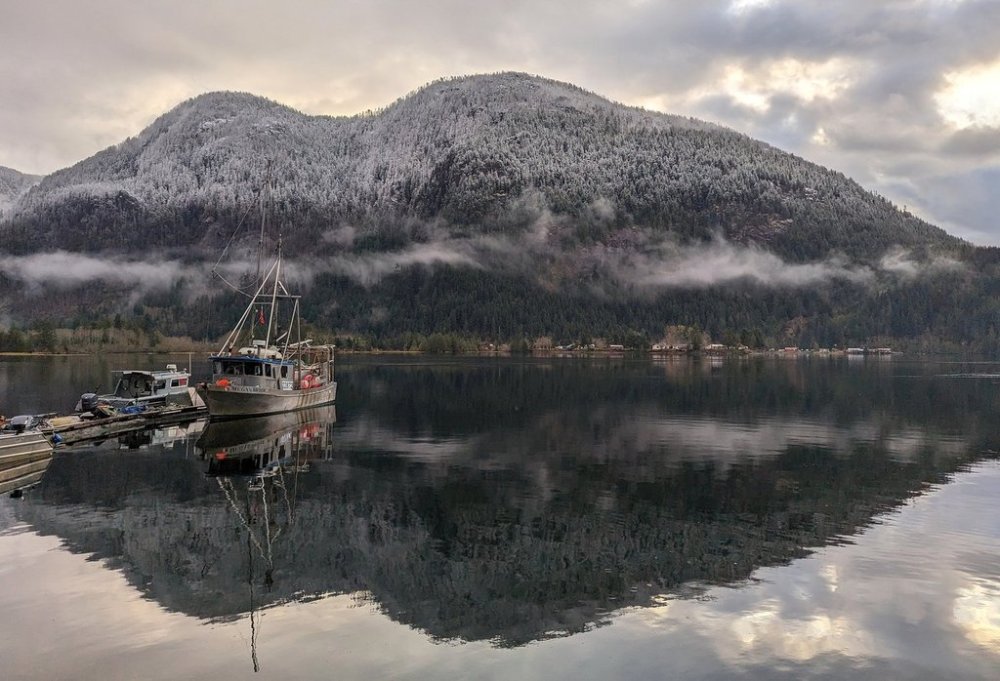
“It essentially was the lowest accumulation from the stations that we have automated for that January period,” Boyd said of the province’s automated snowpack stations, with records dating back to the late 1980s.
“So, just a really dramatic shift,” he said in an interview.
The bulletin released by B.C.’s Ministry of Water, Land and Resource Stewardship said precipitation was well below normal last month, with the last two weeks in January bringing “extremely dry” conditions. It fell within the top 10 driest Januaries across much of the province, while Abbotsford, Penticton, Kelowna, Vernon, Cranbrook and Chetwynd were in the top five since record-keeping began.
Moderate precipitation over the southern half of B.C. in the last few days of January prevented several locations from reaching new record lows for snow.
“We were at least lucky to get a little brief reprieve at the very end of the month, because it still could have been that much worse,” Boyd said.
The average snowpack across B.C. was 72 per cent of normal at the beginning of February, higher than the 61 per cent recorded on the same date last year.
Yet February has also been very dry so far, said Boyd, adding the latest information he had received from Environment Canada indicated it may be another seven to 10 days before there is potentially a significant change in weather patterns.
There’s a high degree of variance in snowpack across regions, ranging from 20 per cent to 108 per cent of normal. The western Upper Fraser basin was sitting at 92 per cent, while snowpack in the Similkameen was at 57 per cent of normal.

Areas with below-normal snowpack show “early concerns” for drought conditions in the spring and summer, the provincial bulletin said, while areas with near-normal snowpack may have a higher risk of melt-related flooding this spring.
There are two to three months left this season, and the snowpack could still change significantly, it said.
Still, Boyd said the coming weeks and months would need to bring record-setting snow to hit 100 per cent of what is considered typical.
“You’d almost have to have from (now) to April 1 be the absolute snowiest six weeks that we’ve ever had to just get the numbers back to normal,” he said.
This report by The Canadian Press was first published Feb. 11, 2025.