Canada to take steps to protect vanishing North Atlantic right whales from ships
Advertisement
Read this article for free:
or
Already have an account? Log in here »
To continue reading, please subscribe:

Digital Subscription
One year of digital access for only $205*
- Enjoy unlimited reading on winnipegfreepress.com
- Read the E-Edition, our digital replica newspaper
- Access News Break, our award-winning app
- Play interactive puzzles
*First annual payment billed as $205.00 + GST for one year. This annual subscription will automatically renew at $233.00 + GST every 52 weeks (10% off the regular annual price of $259.35). Offer available to new and qualified returning subscribers only. Cancel any time.
To continue reading, please subscribe:
Add Free Press access to your Brandon Sun subscription for only an additional
$1 for the first 4 weeks*
- Enjoy unlimited reading on winnipegfreepress.com
- Read the E-Edition, our digital replica newspaper
- Access News Break, our award-winning app
- Play interactive puzzles
*Your next Brandon Sun subscription payment will increase by $1.00 and you will be charged $17.95 plus GST for four weeks. After four weeks, your payment will increase to $24.95 plus GST every four weeks.
Read unlimited articles for free today:
or
Already have an account? Log in here »
Hey there, time traveller!
This article was published 03/07/2025 (464 days ago), so information in it may no longer be current.
The Canadian government says it is taking steps this summer to protect a vanishing species of whale from lethal collisions with ships in its waters.
The whale is the North Atlantic right whale, which numbers only about 370. The whales give birth off the southeastern U.S. in the winter and spring and migrate north to New England and Canada to feed.
Along the way, the whales face dangers including ship strikes and entanglement in commercial fishing gear. Environmental groups have long faulted the U.S. and Canadian governments for not doing enough to protect the critically endangered animals.
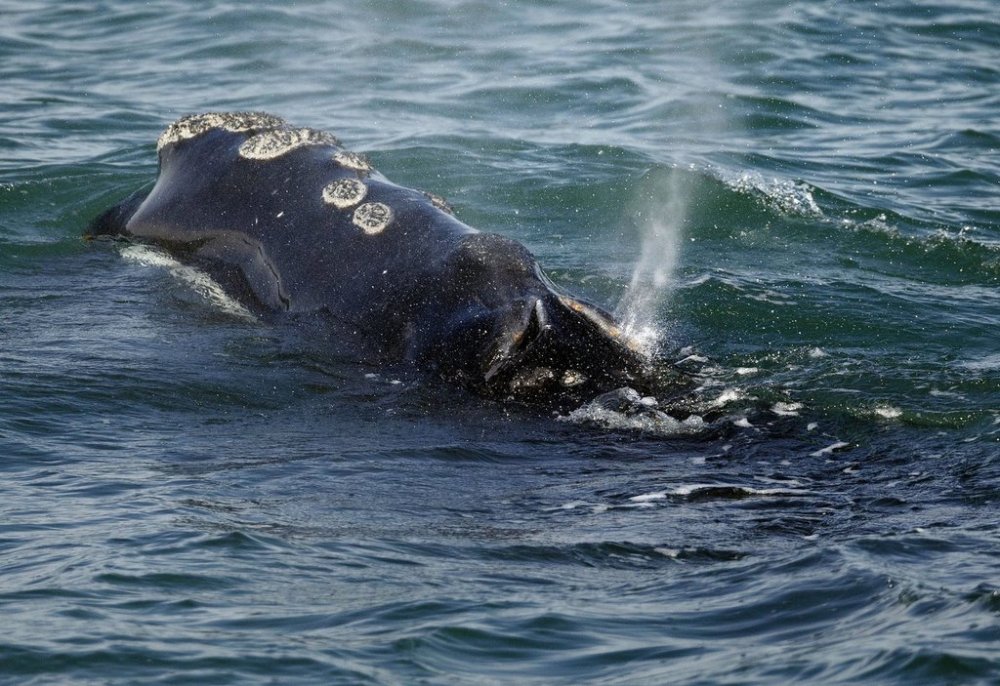
Canada is enforcing mandatory protection measures for the whale this summer, Transport Canada said in a June 27 statement. All vessels of 42.7 feet (13 meters) in length or more must comply with speed restrictions in designated areas of the ocean to avoid whale strikes, the agency said.
Transport Canada said it is also requesting voluntary slowdowns in other parts of the ocean. The restrictions reflect the agency’s commitment “to the protection and conservation of endangered North Atlantic right whales,” the agency said.
“Transport Canada has been taking action to help protect this iconic species from vessel collisions in the Gulf of St. Lawrence, a high-traffic area where right whales are often seen,” the statement said.
The restrictions are being enforced at a time when scientists are voicing concern about a lack of right whale reproduction. The New England Aquarium in Boston said earlier this year that this year’s calving season produced only 11 mother-calf pairs. U.S. government authorities have said the whales need to have at least 50 calves per season to start recovering the population.
The U.S. government decided earlier this year to withdraw a proposal that would have required more ships to slow down in East Coast waters to spare the whale. The move came in the final days of President Joe Biden’s administration and federal ocean managers said there was no way to implement the rules before President Donald Trump took office in January.
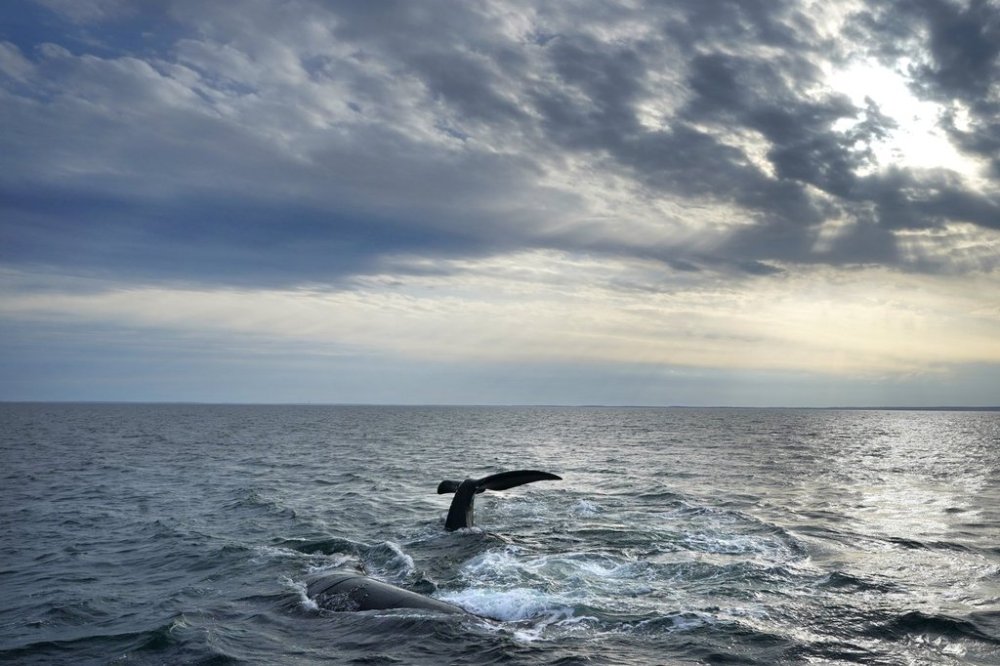
The whale was once abundant off the East Coast, but it was decimated long ago during the commercial whaling era. It has been protected by the U.S. Endangered Species Act for decades, but has been slow to recover.