

Ecuador approves controversial law on protected areas, sparking legal threats
Advertisement
Read this article for free:
or
Already have an account? Log in here »
To continue reading, please subscribe:
Monthly Digital Subscription
$1 per week for 24 weeks*
- Enjoy unlimited reading on winnipegfreepress.com
- Read the E-Edition, our digital replica newspaper
- Access News Break, our award-winning app
- Play interactive puzzles
*Billed as $4.00 plus GST every four weeks. After 24 weeks, price increases to the regular rate of $19.95 plus GST every four weeks. Offer available to new and qualified returning subscribers only. Cancel any time.
Monthly Digital Subscription
$4.99/week*
- Enjoy unlimited reading on winnipegfreepress.com
- Read the E-Edition, our digital replica newspaper
- Access News Break, our award-winning app
- Play interactive puzzles
*Billed as $19.95 plus GST every four weeks. Cancel any time.
To continue reading, please subscribe:
Add Free Press access to your Brandon Sun subscription for only an additional
$1 for the first 4 weeks*
*Your next subscription payment will increase by $1.00 and you will be charged $16.99 plus GST for four weeks. After four weeks, your payment will increase to $23.99 plus GST every four weeks.
Read unlimited articles for free today:
or
Already have an account? Log in here »
Hey there, time traveller!
This article was published 10/07/2025 (259 days ago), so information in it may no longer be current.
BOGOTA, Colombia (AP) — Ecuador’s parliament has approved a new law on protected areas that has drawn sharp criticism from Indigenous groups, legal experts and environmental advocates who say it threatens Indigenous land rights and violates both national and international protections.
The law, which passed on Thursday in the 151-seat National Assembly with 80-23 votes in favor, with the remaining lawmakers absent during the vote, allows private entities, including foreign companies, to participate in managing conservation zones.
Government officials have defended the measure, arguing that it will strengthen oversight of protected lands, help improve park security, promote ecotourism and combat illegal mining without allowing extractive activity.
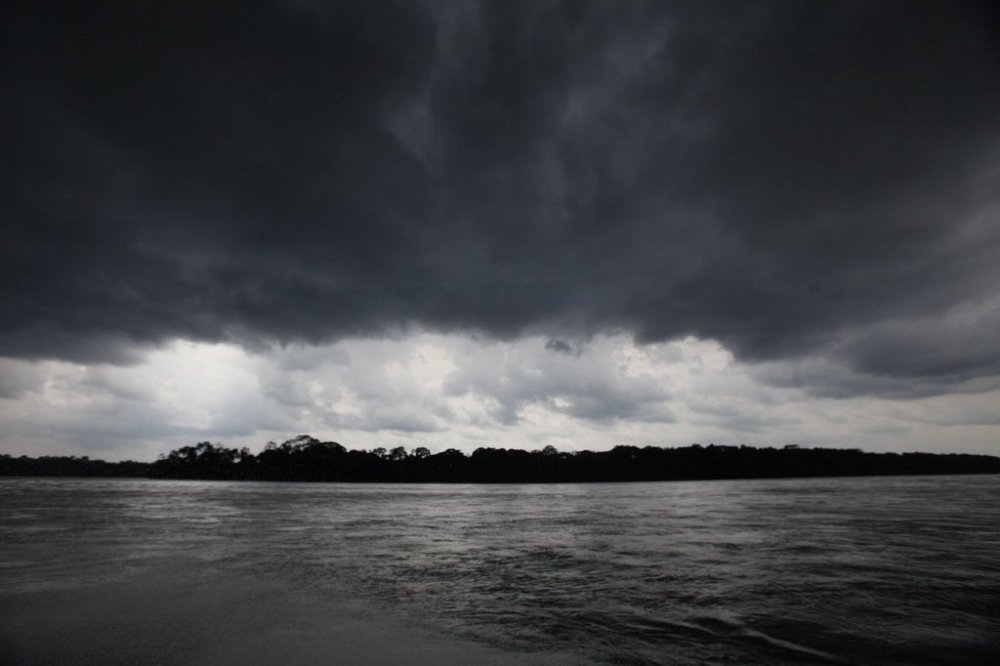
Critics say it could lead to displacement, increased resource extraction and the rollback of hard-won environmental and Indigenous protections enshrined in Ecuador’s 2008 Constitution.
“This is constitutional vandalism,” said Oscar Soria, co-CEO of the international policy group The Common Initiative. “Ecuador has shattered its international credibility and invited isolation from the global community.”
Opponents also say the law violates at least 15 international agreements — including the ILO Convention 169, the Escazú Agreement, and the U.N. Declaration on the Rights of Indigenous Peoples — and that the lawmakers failed to consult with affected communities as required by law.
“The legislators of Ecuador reopened a historic wound,” said Justino Piaguaje, leader of the Siekopai peoples and head of the NASIEPAI Indigenous organization.
Piaguaje slammed the law as “dangerous and unconstitutional” and said it not only reinforces systemic violations of Indigenous rights but “actively perpetuates a legacy of dispossession and violence that stretches back to the colonial era.”
“It threatens our survival and desecrates the dignity of the Ecuadorian people,” he said.
Valentina Centeno, president of the parliament’s Economic Development Commission, insisted the law does not open the door to extractive industries — and that here is a provision “that explicitly prohibits” them.
She asked for an applause in the National Assembly after the law was passed.
Still, Indigenous leaders say the process lacked transparency and bypassed meaningful dialogue with their communities. Legal challenges are already underway, with Indigenous organizations vowing to take the case to Ecuador’s Constitutional Court and international forums.

The law was passed under an “economic urgency” designation linked to a national internal conflict declaration, a move that accelerated debate and limited legislative scrutiny.
___
Follow Steven Grattan on Instagram: @steven.grattan
___
The Associated Press’ climate and environmental coverage receives financial support from multiple private foundations. AP is solely responsible for all content. Find AP’s standards for working with philanthropies, a list of supporters and funded coverage areas at AP.org.