

New England’s shrimp industry is struggling, with fishermen catching few in 2025
Advertisement
Read this article for free:
or
Already have an account? Log in here »
To continue reading, please subscribe:
Monthly Digital Subscription
$1 per week for 24 weeks*
- Enjoy unlimited reading on winnipegfreepress.com
- Read the E-Edition, our digital replica newspaper
- Access News Break, our award-winning app
- Play interactive puzzles
*Billed as $4.00 plus GST every four weeks. After 24 weeks, price increases to the regular rate of $19.95 plus GST every four weeks. Offer available to new and qualified returning subscribers only. Cancel any time.
Monthly Digital Subscription
$4.99/week*
- Enjoy unlimited reading on winnipegfreepress.com
- Read the E-Edition, our digital replica newspaper
- Access News Break, our award-winning app
- Play interactive puzzles
*Billed as $19.95 plus GST every four weeks. Cancel any time.
To continue reading, please subscribe:
Add Free Press access to your Brandon Sun subscription for only an additional
$1 for the first 4 weeks*
*Your next subscription payment will increase by $1.00 and you will be charged $16.99 plus GST for four weeks. After four weeks, your payment will increase to $23.99 plus GST every four weeks.
Read unlimited articles for free today:
or
Already have an account? Log in here »
Hey there, time traveller!
This article was published 15/09/2025 (196 days ago), so information in it may no longer be current.
PORTLAND, Maine (AP) — There’s an effort underway to bring New England shrimp back to seafood customers — but fishermen have found few of the crustaceans, and the fishing industry that harvests them may face an even longer shutdown.
Fishermen have been under a moratorium on catching shrimp for more than a decade because of low population levels that scientists have attributed to climate change and warming oceans. The harvesters were allowed to catch a small number of shrimp this past winter as part of an industry-funded sampling and data collection program.
The fishermen didn’t catch much though, and recent changes allow regulators to extend the moratorium for five years at a time instead of just one, Atlantic States Marine Fisheries Commission officials said Monday.
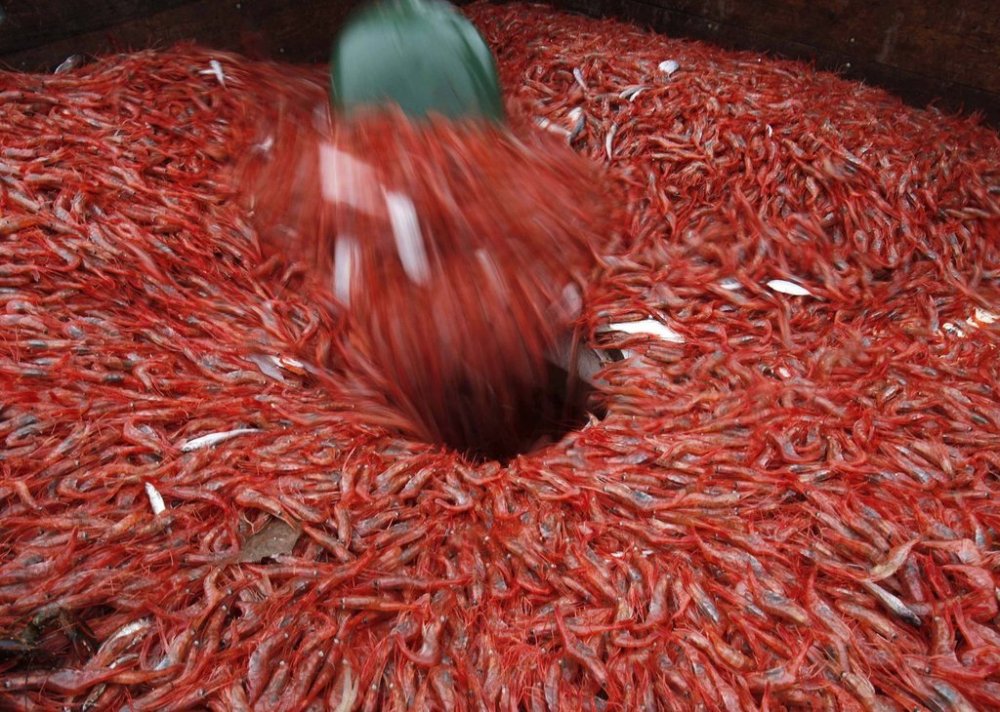
Regulators will meet in December to determine whether to extend the moratorium, said Chelsea Tuohy, a fishery management plan coordinator with the commission. Tuohy said it’s possible regulators will “consider another winter sampling program.”
However, the “continued poor condition of the northern shrimp stock has resulted in uncertainties in the future status of” the seafood, the commission said in documents earlier this year.
“Environmental conditions continue to be unfavorable for northern shrimp in the Gulf of Maine,” the commission said.
Prior to the fishing moratorium, the New England shrimp fishing industry was based largely in Maine. Fishermen from Massachusetts and New Hampshire caught them as well. The delicate, pink crustaceans were a winter delicacy in the Northeast and elsewhere and they were one of the region’s iconic kinds of seafood along with lobsters, cod and scallops.
Maine fishermen sometimes caught more than 10 million pounds (4,536 kilograms) of the shrimp per year as recently as the early 2010s, but the catch cratered in 2013.
The regulatory commission approved new rules for the fishery this past spring that “recognize the influence of environmental conditions on stock productivity,” the commission said in a May statement. The commission said it made the changes “in response to the continued poor condition of the northern shrimp stock.”