Miller says government needs to start Indigenous consultation on B.C. pipeline
Advertisement
Read this article for free:
or
Already have an account? Log in here »
To continue reading, please subscribe:

Digital Subscription
One year of digital access for only $205*
- Enjoy unlimited reading on winnipegfreepress.com
- Read the E-Edition, our digital replica newspaper
- Access News Break, our award-winning app
- Play interactive puzzles
*First annual payment billed as $205.00 + GST for one year. This annual subscription will automatically renew at $233.00 + GST every 52 weeks (10% off the regular annual price of $259.35). Offer available to new and qualified returning subscribers only. Cancel any time.
To continue reading, please subscribe:
Add Free Press access to your Brandon Sun subscription for only an additional
$1 for the first 4 weeks*
- Enjoy unlimited reading on winnipegfreepress.com
- Read the E-Edition, our digital replica newspaper
- Access News Break, our award-winning app
- Play interactive puzzles
*Your next Brandon Sun subscription payment will increase by $1.00 and you will be charged $17.95 plus GST for four weeks. After four weeks, your payment will increase to $24.95 plus GST every four weeks.
Read unlimited articles for free today:
or
Already have an account? Log in here »
Hey there, time traveller!
This article was published 02/12/2025 (309 days ago), so information in it may no longer be current.
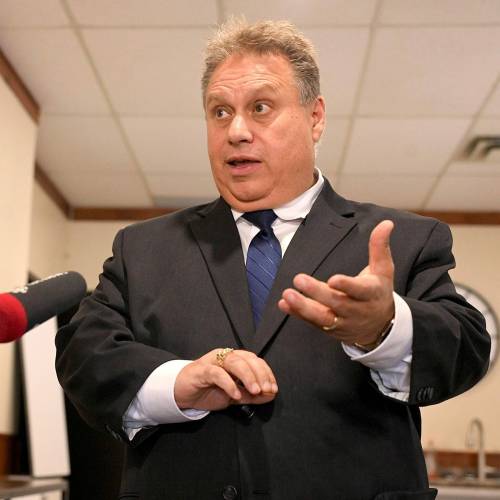
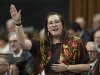
OTTAWA – Heritage Minister Marc Miller says his government needs to “sit down and start working now” on consultation with Indigenous communities and stakeholders about a possible new pipeline in B.C.
“The work starts now. It should have started yesterday. We need to engage with Indigenous communities in a respectful, thoughtful way,” Miller said Tuesday.
Miller made the comments on his way into the cabinet meeting Tuesday morning, just one day after Prime Minister Mark Carney returned him to cabinet in a shuffle on Monday.
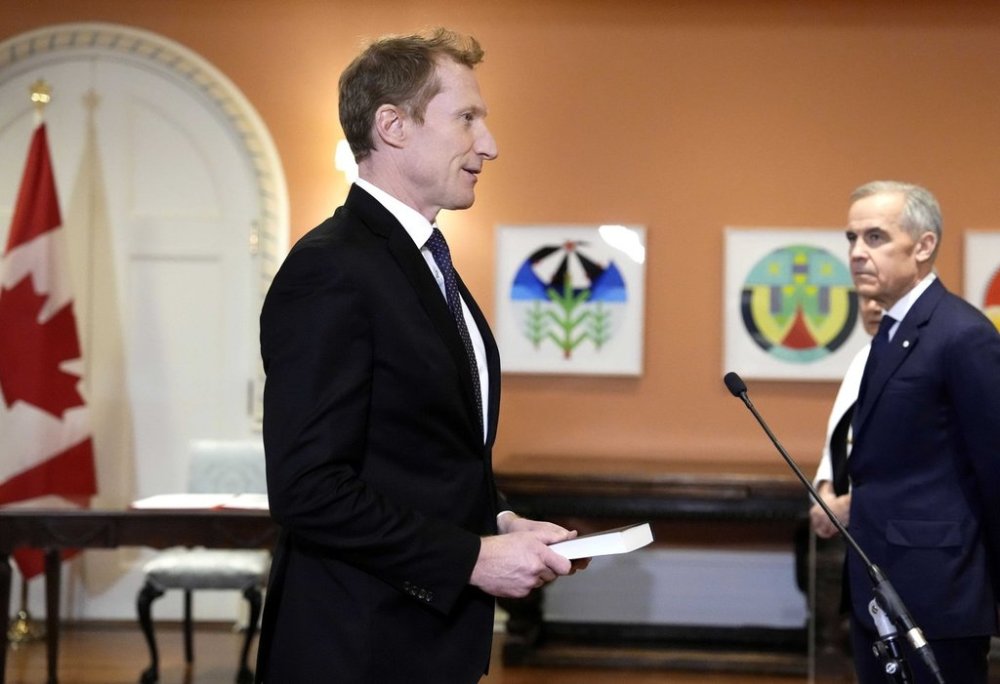
Miller, who held multiple cabinet roles under former prime minister Justin Trudeau include minister of Crown-Indigenous relations, told reporters he sees a difficult road ahead for any pipeline project.
“If everyone thought Thursday was difficult, that was probably the easiest day in the life of that pipeline,” Miller said.
On Thursday, the Liberal government signed a memorandum of understanding with the Alberta government that could clear a path for a pipeline to the West Coast.
The agreement opens up the possibility of an exemption from the oil tanker ban off the B.C. coast — something that the Coastal First Nations in B.C. immediately rejected.
As part of the agreement, Ottawa and the Alberta government committed to engaging with the B.C. government and with Indigenous communities in both provinces on a bitumen pipeline project.
Miller said that will require federal officials to “actually listen” to communities.
“Getting to ‘yes’ is a difficult and complex process, but it can’t be done from a desktop. It has to actually be done face to face in a respectful way with the people responsible and in charge,” he said.
His comments came shortly before the chiefs at a meeting of the Assembly of First Nations unanimously voted to press the federal government to uphold the oil tanker ban and withdraw the MOU signed with Alberta.
The MOU is the latest issue creating tension between First Nations and the federal government. It also cost Prime Minister Mark Carney a cabinet minister, with Steven Guilbeault resigning his cabinet post as heritage minister just after the MOU was signed.
Guilbeault, a longtime climate activist and former environment minister, said he couldn’t support the deal with Alberta or the direction the government is taking on climate action.
Carney told reporters Tuesday that his caucus sees the Alberta agreement as “a grand bargain” that makes room for Canada to become more independent of U.S. markets.
“It creates the possibility to have more diverse and clean energy sources in Western Canada,” Carney said in French.
Asked to respond to the AFN vote Tuesday, Energy Minister Tim Hodgson said Canadians expect the government to deal with “this hinge moment” in its trade war with the United States.
“We need to respond. Our economy is under attack. Our best cards — none of us want to be in a situation where we are told we have no cards. We have great cards in our energy and natural resources,” he said.
“We need to play them effectively. We need to work together. Now is not the time to split apart. Now is the time to come together and figure out how we can develop our energy and natural resources in partnership with affected jurisdictions and in partnership with Indigenous people.”
Pressed on whether the B.C. government needs to support a pipeline in order for it to go forward, Hodgson said Ottawa and Alberta will work with B.C. “to see what is possible.”

Last week, Hodgson, had to apologize for comments he made during an interview with CBC News.
Hodgson had tried and failed to hastily arrange a Vancouver meeting with Coastal First Nations after the Alberta deal was announced. When pressed to explain why he offered the meeting on such short notice, he told CBC on Thursday that the chiefs could have met with him over Zoom.
The next day, Hodgson said he had apologized to the group of nine First Nations for what he called a poor choice of words. He also said in a social media post that he looked forward “to an in-person meeting at their convenience.”
This report by The Canadian Press was first published Dec. 2, 2025.
— With files from Alessia Passafiume
Related Articles
Carney vows to meet Coastal First Nations after chiefs vote against pipeline to B.C.


Advertisement Advertise With Us
Advertisement Advertise With Us