A power outage can turn dangerous fast. Here’s how to prepare
Advertisement
Read this article for free:
or
Already have an account? Log in here »
To continue reading, please subscribe:

Digital Subscription
One year of digital access for only $205*
- Enjoy unlimited reading on winnipegfreepress.com
- Read the E-Edition, our digital replica newspaper
- Access News Break, our award-winning app
- Play interactive puzzles
*First annual payment billed as $205.00 + GST for one year. This annual subscription will automatically renew at $233.00 + GST every 52 weeks (10% off the regular annual price of $259.35). Offer available to new and qualified returning subscribers only. Cancel any time.
To continue reading, please subscribe:
Add Free Press access to your Brandon Sun subscription for only an additional
$1 for the first 4 weeks*
- Enjoy unlimited reading on winnipegfreepress.com
- Read the E-Edition, our digital replica newspaper
- Access News Break, our award-winning app
- Play interactive puzzles
*Your next Brandon Sun subscription payment will increase by $1.00 and you will be charged $17.95 plus GST for four weeks. After four weeks, your payment will increase to $24.95 plus GST every four weeks.
Read unlimited articles for free today:
or
Already have an account? Log in here »
Hey there, time traveller!
This article was published 29/12/2025 (291 days ago), so information in it may no longer be current.
Power outages can come from winter storms, heat waves, wildfires or a delivery driver backing into the power line by your house. But depending on how long they last or what the temperature is outside, they can be serious or even fatal, no matter the cause.
One of the biggest factors in getting through a blackout safely is being ready.
“When thinking about preparedness, I always think about the old proverb of, ‘An ounce of prevention is worth a pound of cure,’” said Michael Coe, vice president for physical and cybersecurity programs with the American Public Power Association.
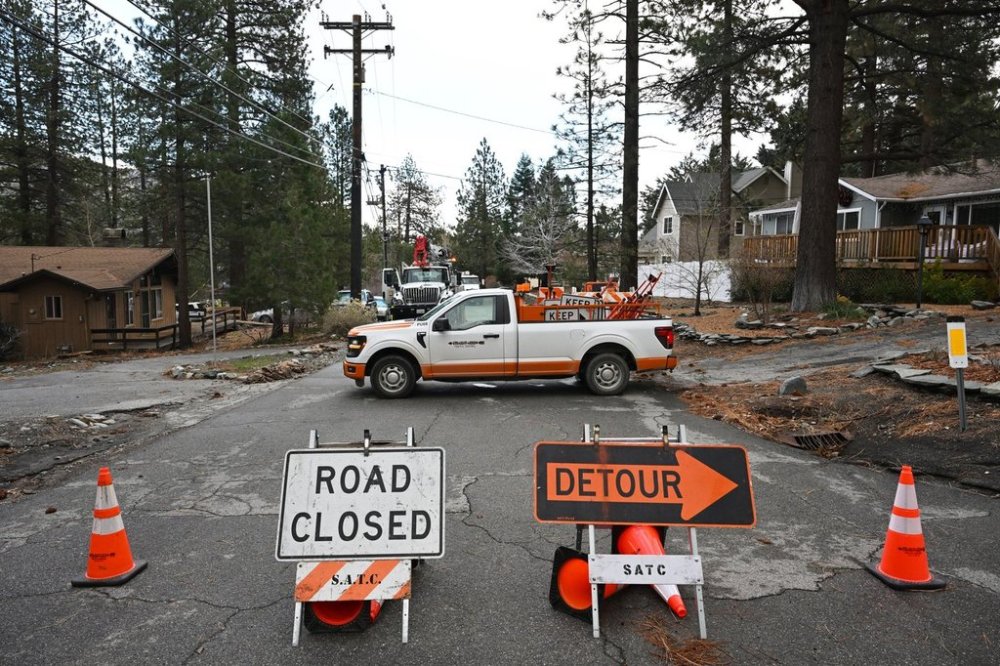
Here are expert tips on how to stay safe in an outage and be ready for the next one.
Before the blackout
How to prepare depends on your needs, said Denise Everhart, disaster executive with the American Red Cross. The answer is different if you have kids, or pets, or medical devices that require consistent power.
Coe said to inform your utility if you have critical medical devices that rely on electricity. Many providers post forms on their websites for customers to disclose these medical needs during outages. Customers can also call.
“There are ways to provide backup batteries or other types of energy so that if there is some type of power shut-off, that they wouldn’t be affected,” Coe said.
Everhart said that sometimes the best move is to evacuate if an outage would make things unsafe.
If you’re prepared to stick around, it’s time to break out the emergency kit. Ideally, it should contain:
— Two weeks of food, water, pet supplies and medicine
— Cash for a week, in case ATMs and credit card machines go down
— Flashlights, glow sticks or battery lanterns
— Backup phone batteries and charger cords
— Blankets in cold weather or extra water in hot weather
— Phone numbers of friends and family, written down in case your phone dies
— A solar-powered or hand-crank radio, to get emergency alerts if the cell towers stop working
The trick with food is finding something nutritional, edible and palatable. Peanut butter and jelly sandwiches are a good staple, as is canned food. But again, the right food depends on the family.
“Is your 6-year-old really going to eat a cold can of chili?” said Everhart.
Blackouts can be vastly different experiences depending on where you live. If you’ve got gas heat and live in a city, chances are you’ll still be able to take hot showers. If you’re on electric heat and rely on well water, you’ll likely have one good toilet flush left from what’s in the tank, and no running water.
Before the power goes out, Matthew Gonzales, executive director for the Consumer Energy Alliance Southwest Region, recommends filling the tub or a bucket with water so you can keep filling the tank and flushing the toilet.
Coe also said it’s important to sign up for emergency alerts from your utilities, your local police and other EMS facilities so you can know immediately if there are boil water notices, evacuation orders or other important messages.
When it gets dark
Once the power’s out, keep the fridge closed so it will stay cold. Coe said food can last up to four hours in a refrigerator and up to 48 hours in a freezer, but those numbers go down if the door keeps opening to let warmer air in.
Eat the perishable food first. If it’s as cold as a refrigerator outside, or about 37 degrees Fahrenheit (3 degrees Celsius), moving food outdoors can help it last longer. But it’s not a foolproof solution, since temperature can fluctuate. So if something smells, looks or tastes funny, don’t eat it.
Before using the water in your home, check to make sure the water is still safe to use. The Red Cross emergency app, for example, lists government alerts like boil water notices when the supply gets contaminated.
There are plenty of ways to stay warm when the power’s out. Folks with fireplaces and furnaces will still be able to use them. If that’s not you, hand warmers ($1), heated jackets ($100+), battery-powered heated blankets ($40+) and portable propane space heaters ($80+) can all help make short, cold outages more comfortable. The tanks that fuel those space heaters can fuel small gas camping stoves, too.
Don’t leave a space heater or candles unattended because that can cause a house fire, and don’t bring a generator inside because it can cause carbon monoxide poisoning, Everhart said. If it’s too hot or too cold to stay safe with what you’ve got, then it’s time to leave.
But before you do, check on your neighbors if you’re able to, Gonzales said.
Planning for next time
The best time to plan for a blackout is when there’s no imminent threat of one happening. Here are a few things to think about before the next one hits:
— Figure out how to open your garage door when the power’s out.
— Establish one place where you keep your keys, and have all your paperwork in one place in case you have to evacuate quickly.
— Come up with a plan B evacuation route that works if the main route is closed.
— If you’re taking public transportation, find out what their emergency routes look like.
— Save up for a larger generator. Those portable options that supply 5,000-10,000 watts can power small appliances like a microwave, refrigerator or a space heater, and keep phones charged. They typically cost $500-$1,000.
— Solar battery storage or reverse electric vehicle charging can help keep the power on when the rest of the grid goes down.
— Agree upon ways to contact or meet up with family or friends in case internet or phones stop working.
But for most outages, Everhart said preparedness just isn’t that complicated.
“Have a kit, have a plan, have a way to get notified, and a way to notify people. That’s really preparedness in a nutshell,” she said.
__
The Associated Press’ climate and environmental coverage receives financial support from multiple private foundations. AP is solely responsible for all content. Find AP’s standards for working with philanthropies, a list of supporters and funded coverage areas at AP.org.