Nova Scotia offshore regulator looking to study potential Wind West sites
Advertisement
Read this article for free:
or
Already have an account? Log in here »
To continue reading, please subscribe:
Digital Subscription
One year of digital access for only $1.44 a week*
- Enjoy unlimited reading on winnipegfreepress.com
- Read the E-Edition, our digital replica newspaper
- Access News Break, our award-winning app
- Play interactive puzzles
*Billed as $5.77 plus GST every four weeks. After 52 weeks, price increases to the regular rate of $19.95 plus GST every four weeks. Offer available to new and qualified returning subscribers only. Cancel any time.
To continue reading, please subscribe:
Add Free Press access to your Brandon Sun subscription for only an additional
$1 for the first 4 weeks*
- Enjoy unlimited reading on winnipegfreepress.com
- Read the E-Edition, our digital replica newspaper
- Access News Break, our award-winning app
- Play interactive puzzles
*Your next Brandon Sun subscription payment will increase by $1.00 and you will be charged $17.95 plus GST for four weeks. After four weeks, your payment will increase to $24.95 plus GST every four weeks.
Read unlimited articles for free today:
or
Already have an account? Log in here »
Hey there, time traveller!
This article was published 02/01/2026 (296 days ago), so information in it may no longer be current.
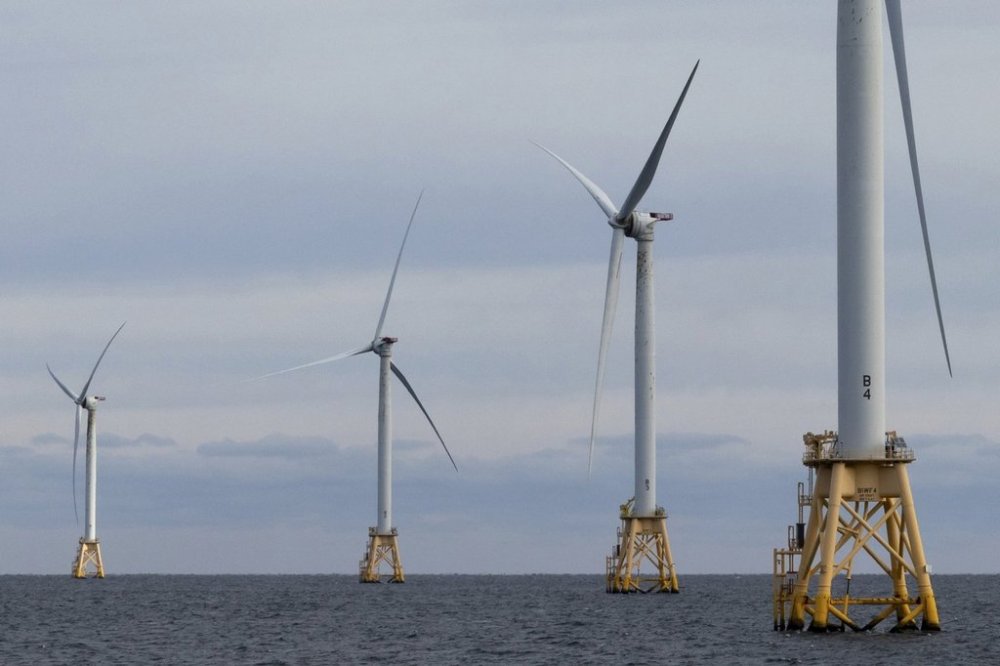
HALIFAX – Nova Scotia’s offshore energy regulator wants to begin studying areas of the ocean that could be home to the first turbines in Premier Tim Houston’s Wind West project.
The Canada-Nova Scotia Offshore Energy Regulator says it is looking for a company to conduct a regional assessment of the studies and preliminary work needed on four patches of ocean earmarked for potential offshore wind development.
The company would consider what kind of studies are needed on marine life, archeology and geotechnical aspects of the four selected areas, and would also look into the deployment of data-gathering buoys and the exploration for unexploded ordinance.
“A regional assessment of these activities … can be relied upon by developers to inform their site-assessment planning and regulatory authorization applications, and by the regulator to inform their environmental effects determination,” says the request for proposals.
A call for companies interested in building the wind farms is expected later this year and the regulator says the regional assessment should help streamline those proposals and reduce duplication of work. The regulator says it will also help Indigenous groups, commercial fishers and the public to better understand the project, including the vessels and equipment that will be used.
The first phase of Wind West is estimated to cost about $60 billion and would produce about five gigawatts of power by 2030. About $40 billion would be for turbine infrastructure, with another $20 billion for new transmission lines. The province has not indicated who would pay for these costs and how they would be divided. However, the provincial government has said it expects to get a four per cent royalty on the project.
If additional phases are fully constructed, the province says the project could generate more than 62 gigawatts, about a quarter of Canada’s total energy capacity.
The areas under consideration for the first phase include Sydney Bight, northeast of Cape Breton, and three more parcels off the Eastern Shore. The project envisions connecting those parcels — French Bank, Middle Bank and Sable Island Bank — to the mainland along an abandoned gas pipeline corridor. Sydney Bight would come ashore separately.
The regulator wants to move fast, with submissions due by Jan. 23 and a contract award expected by early February.

The province has identified two options to move energy to export markets, including an overland route via New Brunswick and a subsea route direct to Quebec or New England.
Nova Scotia says it will be looking for assurances that it can access federal investment tax credits and low-interest financing through the Canada Infrastructure Bank.
The federal government has shown interest in accelerating the approval process for Wind West, but the project wasn’t included in the first group of projects slated for fast-tracking announced in the fall.
This report by The Canadian Press was first published Jan. 2, 2026.
Note to readers:This is a corrected story. A previous version said the regulator wanted to study five patches of ocean for potential wind development. In fact, the number under study is four.