

At least 47 people are still displaced after raging Newfoundland wildfires in 2025
Advertisement
Read this article for free:
or
Already have an account? Log in here »
To continue reading, please subscribe:
Monthly Digital Subscription
$1 per week for 24 weeks*
- Enjoy unlimited reading on winnipegfreepress.com
- Read the E-Edition, our digital replica newspaper
- Access News Break, our award-winning app
- Play interactive puzzles
*Billed as $4.00 plus GST every four weeks. After 24 weeks, price increases to the regular rate of $19.95 plus GST every four weeks. Offer available to new and qualified returning subscribers only. Cancel any time.
Monthly Digital Subscription
$4.99/week*
- Enjoy unlimited reading on winnipegfreepress.com
- Read the E-Edition, our digital replica newspaper
- Access News Break, our award-winning app
- Play interactive puzzles
*Billed as $19.95 plus GST every four weeks. Cancel any time.
To continue reading, please subscribe:
Add Free Press access to your Brandon Sun subscription for only an additional
$1 for the first 4 weeks*
*Your next subscription payment will increase by $1.00 and you will be charged $16.99 plus GST for four weeks. After four weeks, your payment will increase to $23.99 plus GST every four weeks.
Read unlimited articles for free today:
or
Already have an account? Log in here »
ST. JOHN’S – Dozens of people in eastern Newfoundland are still displaced and living in temporary housing after a series of wildfires destroyed their homes more than five months ago.
Marie Kennell is among nearly 50 people using a provincial government program launched in August to help cover housing costs for those who lost their homes and were not insured. The program ends in March, and the provincial government has not yet announced any plans to help people rebuild.
Kennell and her husband lost their home, their shed and all of her husband’s fishing gear, she said in an interview. He’d been a fisherman for more than 45 years.
“We’ve been working all our lives and we’ve got nothing to show for it now,” Kennell said. “I’m upset all the time, waiting for someone to give us a call to tell us that there’s going to be assistance there to help us out, to rebuild.”
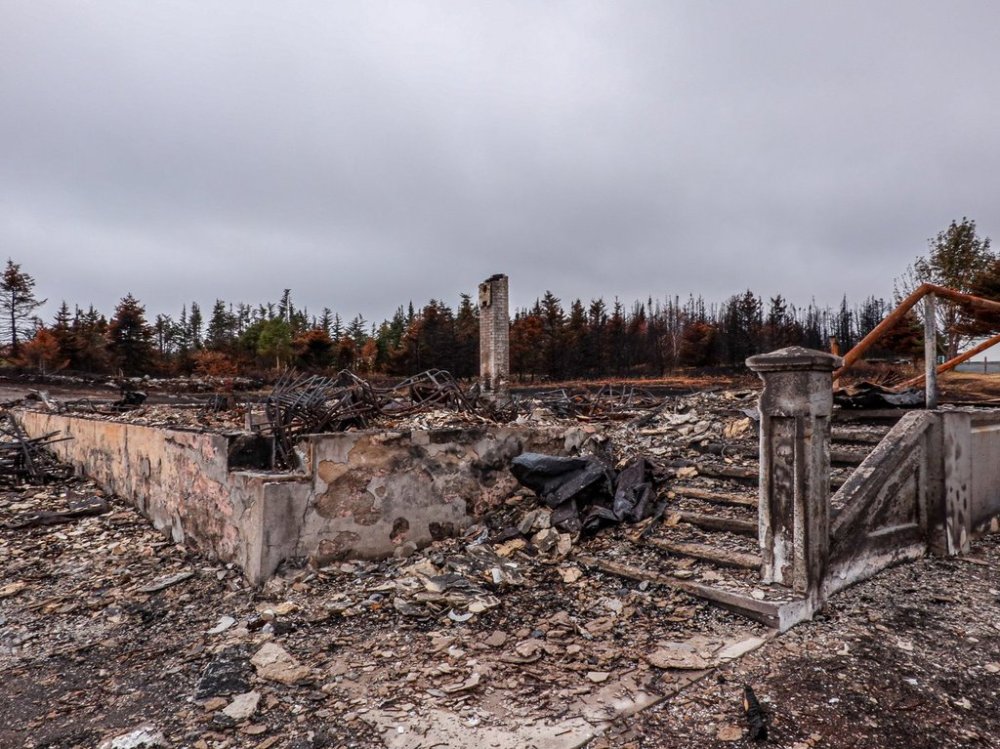
A series of destructive wildfires erupted in the Conception Bay North region, known as the North Shore, on Newfoundland’s Avalon Peninsula beginning in May. The largest, which began in August, engulfed land and homes along a 15-kilometre stretch of highway.
The fires razed more than 200 structures, transforming lives and the landscape in the rural area about 40 kilometres northwest of St. John’s. The government of Newfoundland and Labrador is still covering temporary housing costs for 47 people who lost their homes, provincial officials said Tuesday. The program supports people who did not have insurance.
Thirty-six of those people are living with friends or family. The remaining 11 are in rental housing, officials said.
The Progressive Conservative government wants to ensure anyone whose home was destroyed will have a new one, but the province hasn’t yet worked out the details, said Finance Minister Craig Pardy. He said officials are still discussing how the Canadian government might help.
Housing Minister Joedy Wall said the government is reviewing the temporary housing program ending on March 31. He said he’d have more information about it soon and promised that those using the program would not be left to fend for themselves.
“The residents of the North Shore, they have a long road to walk, no doubt,” Wall told reporters in St. John’s. “But they’re not going to walk that road alone.”

Wall and Pardy are part of a cabinet committee dedicated to the wildfire recovery efforts in Conception Bay North. Premier Tony Wakeham assembled the group in November, after his Progressive Conservatives unseated the former Liberal government in the October provincial election.
The committee made its first visit to the fire-affected area earlier this month.
Kennell said she and her husband are renting a home in the amalgamated town of Small Point-Adam’s Cove-Blackhead-Broad Cove. She hopes the province will soon announce plans to help those who have been left with nothing.
“It’s sad. Time is running out,” she said. “It’s something we’ll never get over.”
This report by The Canadian Press was first published Jan. 27, 2026.