

Kenya floods worsen as 2 rivers burst banks, with death toll hitting 88
Advertisement
Read this article for free:
or
Already have an account? Log in here »
To continue reading, please subscribe:
Digital Subscription
One year of digital access for only $1.44 a week*
- Enjoy unlimited reading on winnipegfreepress.com
- Read the E-Edition, our digital replica newspaper
- Access News Break, our award-winning app
- Play interactive puzzles
*Billed as $5.77 plus GST every four weeks. After 52 weeks, price increases to the regular rate of $19.95 plus GST every four weeks. Offer available to new and qualified returning subscribers only. Cancel any time.
To continue reading, please subscribe:
Add Free Press access to your Brandon Sun subscription for only an additional
$1 for the first 4 weeks*
- Enjoy unlimited reading on winnipegfreepress.com
- Read the E-Edition, our digital replica newspaper
- Access News Break, our award-winning app
- Play interactive puzzles
*Your next Brandon Sun subscription payment will increase by $1.00 and you will be charged $17.95 plus GST for four weeks. After four weeks, your payment will increase to $24.95 plus GST every four weeks.
Read unlimited articles for free today:
or
Already have an account? Log in here »
NAIROBI, Kenya (AP) — The Kenyan government said Tuesday that two rivers have burst their banks, flooding farms and displacing families as the death toll in flooding in the east African nation this month rose to 88.
At least 21 counties have been affected by the floods, raising concerns over public safety, infrastructure damage and growing humanitarian needs. The number of people displaced from their homes in flooding that started earlier in March has now reached over 34,000, the Interior Ministry said.
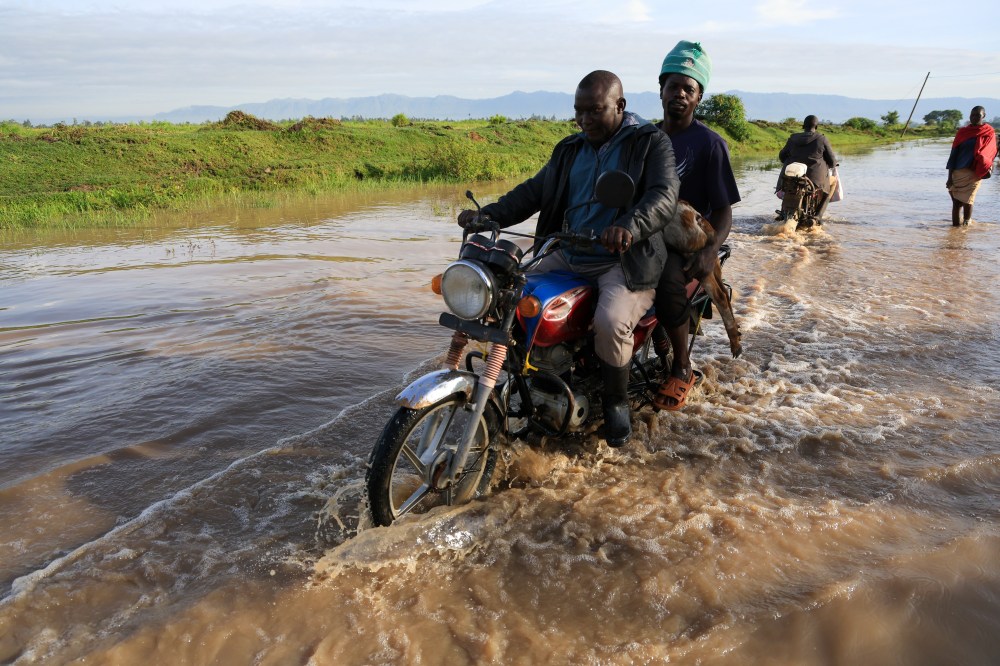
The latest flooding incident occurred in western Kenya, where the Nyando River overflowed on Monday, submerging sections of the Ahero Bridge along the Kericho–Awasi–Kisumu road and disrupting transport in the region.
The government issued a statement cautioning motorists against using the flooded route and advising them to seek alternative roads, particularly at night when visibility is low.
“This advisory is especially critical during the hours of darkness, when it may be difficult to accurately determine the depth and strength of the flowing water,” the statement said.
Emergency response efforts have intensified in the worst-affected areas, led by the Kenya Red Cross Society, which has been rescuing stranded residents and relocating families to safer ground.
In the Nyando area, rescue teams have evacuated more than 200 people and over 200 livestock, while at least two families were pulled from immediate danger. Authorities are also working to evacuate more than 900 students from the Ahero Girls National School as floodwaters continue to rise.
The Ministry of Interior and National Administration on Tuesday said at least 265 households have been affected in the area. Displaced residents are being sheltered in public facilities, including government offices, churches and health centers. Six unaccompanied children were among those rescued and are currently under care.
Flooding has also been reported in other regions.
In Tana River County, the River Tana burst its banks, flooding farms in Mbalambala and surrounding areas, including Asako village, and threatening food production. In Uasin Gishu County, a multi-agency team is assessing the impact of rising water levels along Sosiani River in Lower Elgon View, where residential and hospitality facilities have been affected.
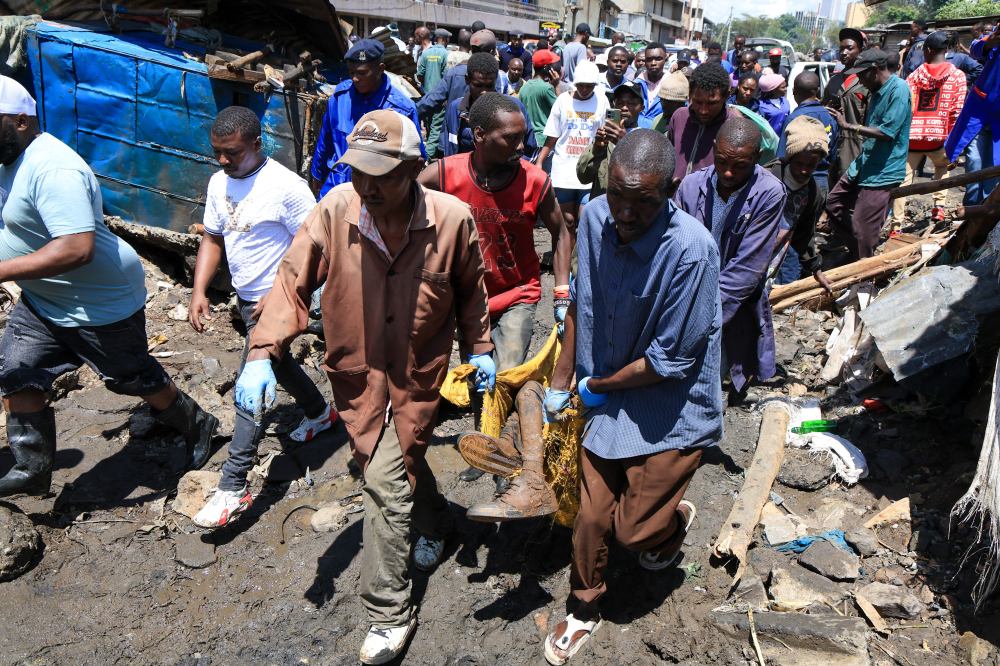
Across the country, the floods have disrupted daily life, forcing the closure of schools, rendering roads impassable, and interrupting business activity, particularly in low-lying and informal settlements.
Officials say emergency teams remain on the ground monitoring the situation, with additional evacuations expected if rainfall persists.
Kenya experiences seasonal flooding each year, but the scale and intensity of the current crisis have renewed concerns about disaster preparedness and the vulnerability of communities living near rivers and flood-prone areas.
Authorities have urged residents in high-risk zones to remain vigilant and follow official guidance, warning that conditions could worsen in the coming days if heavy rains continue.