Minnesota governor signs order to slow down any mining efforts near Boundary Waters wilderness
Advertisement
Read this article for free:
or
Already have an account? Log in here »
To continue reading, please subscribe:

Digital Subscription
One year of digital access for only $205*
- Enjoy unlimited reading on winnipegfreepress.com
- Read the E-Edition, our digital replica newspaper
- Access News Break, our award-winning app
- Play interactive puzzles
*First annual payment billed as $205.00 + GST for one year. This annual subscription will automatically renew at $233.00 + GST every 52 weeks (10% off the regular annual price of $259.35). Offer available to new and qualified returning subscribers only. Cancel any time.
To continue reading, please subscribe:
Add Free Press access to your Brandon Sun subscription for only an additional
$1 for the first 4 weeks*
- Enjoy unlimited reading on winnipegfreepress.com
- Read the E-Edition, our digital replica newspaper
- Access News Break, our award-winning app
- Play interactive puzzles
*Your next Brandon Sun subscription payment will increase by $1.00 and you will be charged $17.95 plus GST for four weeks. After four weeks, your payment will increase to $24.95 plus GST every four weeks.
Read unlimited articles for free today:
or
Already have an account? Log in here »
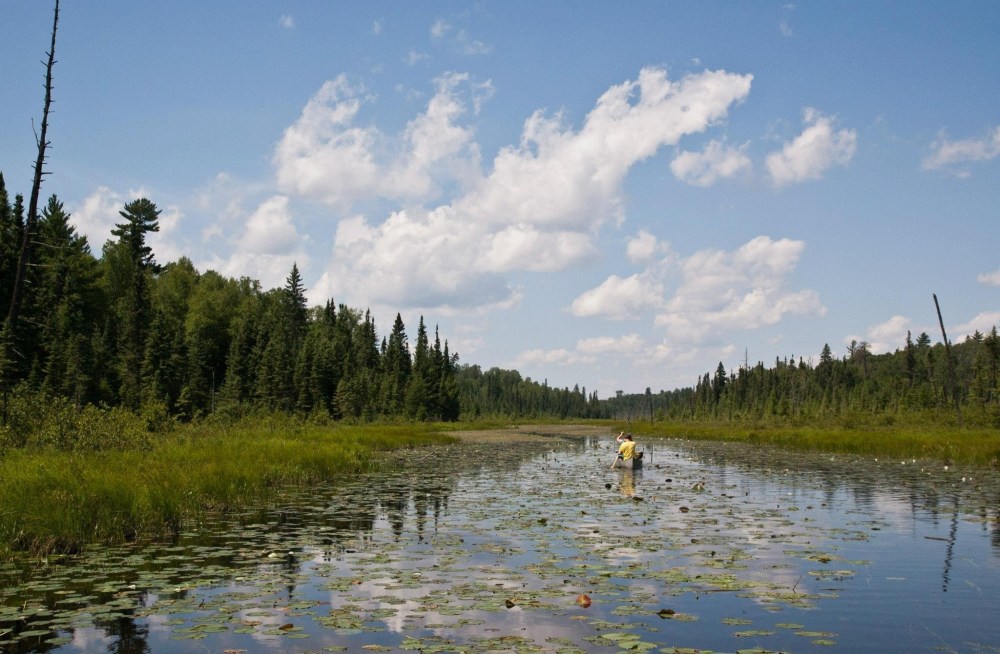
Minnesota Gov. Tim Walz on Tuesday said the state would not review or process permits on proposed mining projects near the Boundary Waters Canoe Area Wilderness, four months after Congress and President Donald Trump’s administration lifted a federal ban.
The cherished wild area stretches for about 150 miles (about 240 kilometers) in the Superior National Forest along Minnesota’s border with Canada. Thousands of canoeists, kayakers and campers explore the wilderness each year.
“It’s our duty as Minnesotans to ensure the sacred place remains wild, pristine and unharmed,” Walz, a Democrat, said.
But Walz’s executive order apparently won’t last long: Under state law, it would expire by next April, 90 days after he leaves office. The next governor could adopt it.
And there’s no shovel-ready project, though Twin Metals Minnesota LLC, a subsidiary of Chile-based Antofagasta Minerals, has been seeking to mine for copper, nickel and other precious metals in the national forest since 2019. It insists it can be done so no waste rock is stored above ground, eliminating a potential source of acid.
The canoe area lies within the national forest just downstream from the mine site, raising concerns that digging could cause pollution.
In April, Trump signed a resolution approved by Congress that lifts a 2023 federal moratorium on mining in the forest. He said it would create jobs and boost the mining industry.
Walz’s order says Minnesota regulators will not participate as a cooperating agency in any federal environmental review of nonferrous mining in the Rainy River Headwaters Watershed, which is linked to Boundary Waters.
The state also will not conduct environmental reviews or permitting work on mining proposals while litigation over state mining regulations is ongoing, the order says.
Walz also wants the Department of Natural Resources to draft legislation prohibiting nonferrous mining in the Rainy River watershed.
Republican U.S. Rep. Pete Stauber, who represents the Boundary Waters region, criticized Walz, accusing him of “outright war on Northern Minnesota and our way of life.”
Becky Rom, chairperson of the advocacy group Save the Boundary Waters, praised the governor, who did not seek reelection this year.
“The science is clear: copper mining and the Boundary Waters cannot safely coexist. This action helps safeguard the clean water, world-class wilderness, and outdoor economy that generations of Minnesotans cherish,” Rom said.
There was no immediate comment from Sen. Amy Klobuchar, the Democratic nominee for governor. Republican nominee Lisa Demuth said she believes mining can be performed in a safe way.
“There are critical minerals that everyone depends on on a daily basis,” Demuth, the state House speaker, told the Rochester Post Bulletin. “And they’re going to come from someplace.”
James Coleman, a professor at the University of Minnesota law school, said Walz’s order, at a minimum, adds uncertainty to any proposed project.
“If you need federal approval, you probably need state approval,” Coleman said. “These projects take many years to complete. Partisan politics may flip at the state or federal level, and it can be hard to get a project to the finish line.”