Tropical Storm Moke advances toward Hawaii as winds strengthen
Advertisement
Read this article for free:
or
Already have an account? Log in here »
To continue reading, please subscribe:

Digital Subscription
One year of digital access for only $205*
- Enjoy unlimited reading on winnipegfreepress.com
- Read the E-Edition, our digital replica newspaper
- Access News Break, our award-winning app
- Play interactive puzzles
*First annual payment billed as $205.00 + GST for one year. This annual subscription will automatically renew at $233.00 + GST every 52 weeks (10% off the regular annual price of $259.35). Offer available to new and qualified returning subscribers only. Cancel any time.
To continue reading, please subscribe:
Add Free Press access to your Brandon Sun subscription for only an additional
$1 for the first 4 weeks*
- Enjoy unlimited reading on winnipegfreepress.com
- Read the E-Edition, our digital replica newspaper
- Access News Break, our award-winning app
- Play interactive puzzles
*Your next Brandon Sun subscription payment will increase by $1.00 and you will be charged $17.95 plus GST for four weeks. After four weeks, your payment will increase to $24.95 plus GST every four weeks.
Read unlimited articles for free today:
or
Already have an account? Log in here »
HONOLULU (AP) — Tropical Storm Moke advanced toward Hawaii on Saturday, likely bringing more heavy rainfall and strong gusts to the Big Island, where residents are still dealing with the aftermath of heavy flooding and damaging winds from Hurricane Lala.
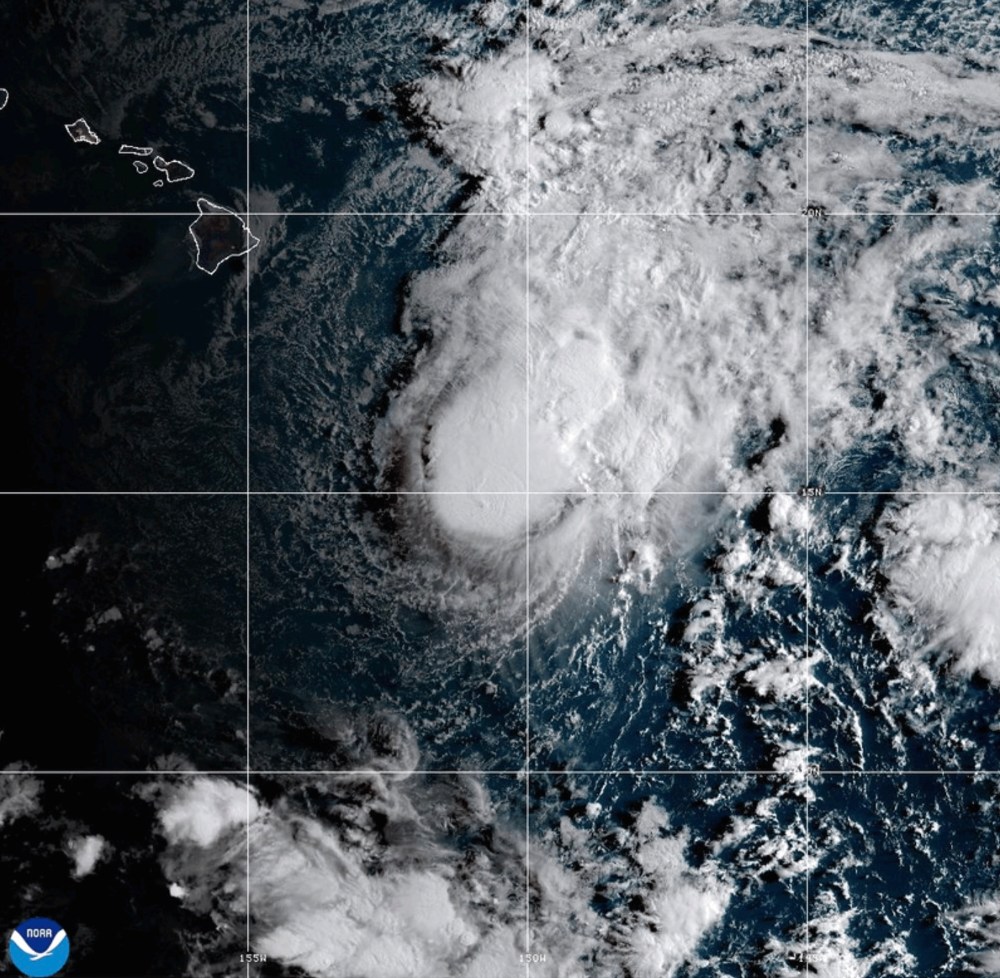
Moke, which formed Friday in the Pacific Ocean, was located about 425 miles (680 kilometers) southeast of Hilo and moving west-northwest at 12 mph (19 kph). Maximum sustained winds were around 50 mph (85 kph), the National Hurricane Center said.
As with Hurricane Lala, the Big Island was expected to bear the brunt of Moke’s rain and heavy winds as it passes south of a direct hit late Saturday into early Sunday.
Moke was then forecast to continue its westward path near the islands through early Tuesday, said Casey Oswant, a meteorologist with the National Weather Service in Honolulu.
“There will still be impacts, especially to the windward and southeast sides of the Big Island, but it will probably be a little bit more limited than what we saw with Lala,” Oswant said.
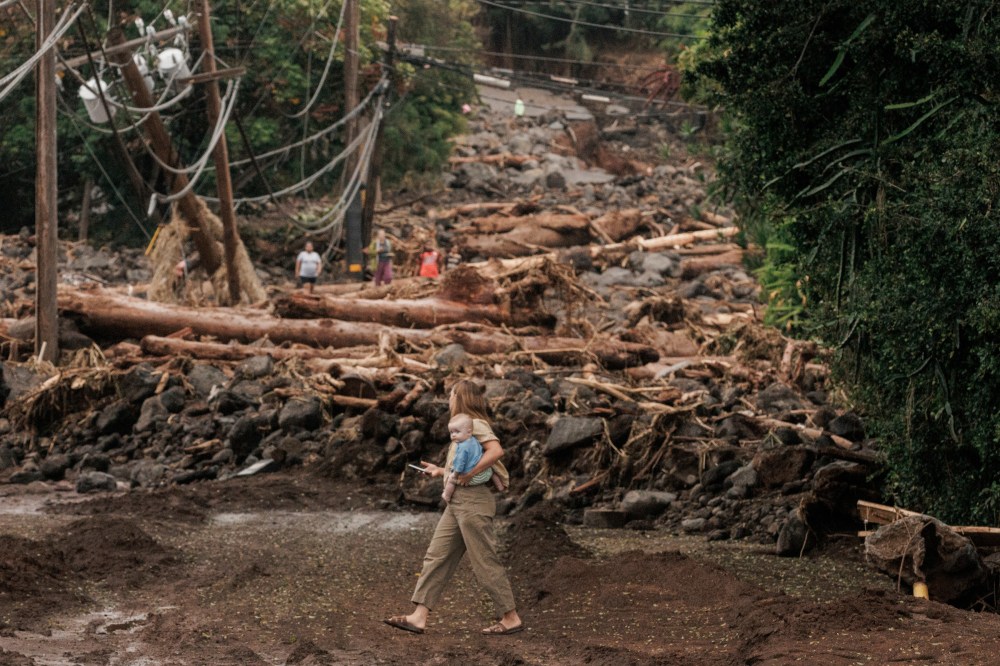
Lala downed trees, swept buildings off their foundations, damaged roads and bridges and left roads covered in mud and rocks. Two storm-related deaths were reported.
Weekend rainfall predictions for the southeast and windward sides of the Big Island were 5 to 10 inches (13 to 25 centimeters), with as much as 15 inches (38 centimeters) in isolated areas, Oswant said. Across the rest of the island chain, 1 to 2 inches (2 to 5 centimeters) of rain was expected, though parts of east Maui could see up to 4 inches (10 centimeters).
There were no coastal watches or warnings in effect, but people were urged to closely monitor the storm’s progress. The rainfall has the potential to cause dangerous rip currents, life-threatening flooding and mudslides, especially in steep areas and places where the ground remains saturated, the center said.
The northeast coast of the Big Island saw the heaviest total rainfall from Lala, at 43.54 inches (1.1 meters), according to the weather service. More than 8,000 customers on the Big Island remained without power, according to poweroutage.us.
Hawaii Gov. Josh Green and other state officials held a news conference ahead of Moke, urging people to prepare by restocking food, medicine and other essentials.
“There’s definitely tension in the air” at the thought of more rain in communities that floodwaters turned into rivers, said Tiffany Edwards Hunt, a teacher living in Keaau, on the east side of the Big Island.
___
Associated Press writer Alexa St. John in Detroit contributed.