Illinois EPA releases ‘Comprehensive Climate Action Plan’ to reach ‘net zero’ emissions
Advertisement
Read this article for free:
or
Already have an account? Log in here »
To continue reading, please subscribe:

Digital Subscription
One year of digital access for only $205*
- Enjoy unlimited reading on winnipegfreepress.com
- Read the E-Edition, our digital replica newspaper
- Access News Break, our award-winning app
- Play interactive puzzles
*First annual payment billed as $205.00 + GST for one year. This annual subscription will automatically renew at $233.00 + GST every 52 weeks (10% off the regular annual price of $259.35). Offer available to new and qualified returning subscribers only. Cancel any time.
To continue reading, please subscribe:
Add Free Press access to your Brandon Sun subscription for only an additional
$1 for the first 4 weeks*
- Enjoy unlimited reading on winnipegfreepress.com
- Read the E-Edition, our digital replica newspaper
- Access News Break, our award-winning app
- Play interactive puzzles
*Your next Brandon Sun subscription payment will increase by $1.00 and you will be charged $17.95 plus GST for four weeks. After four weeks, your payment will increase to $24.95 plus GST every four weeks.
Read unlimited articles for free today:
or
Already have an account? Log in here »
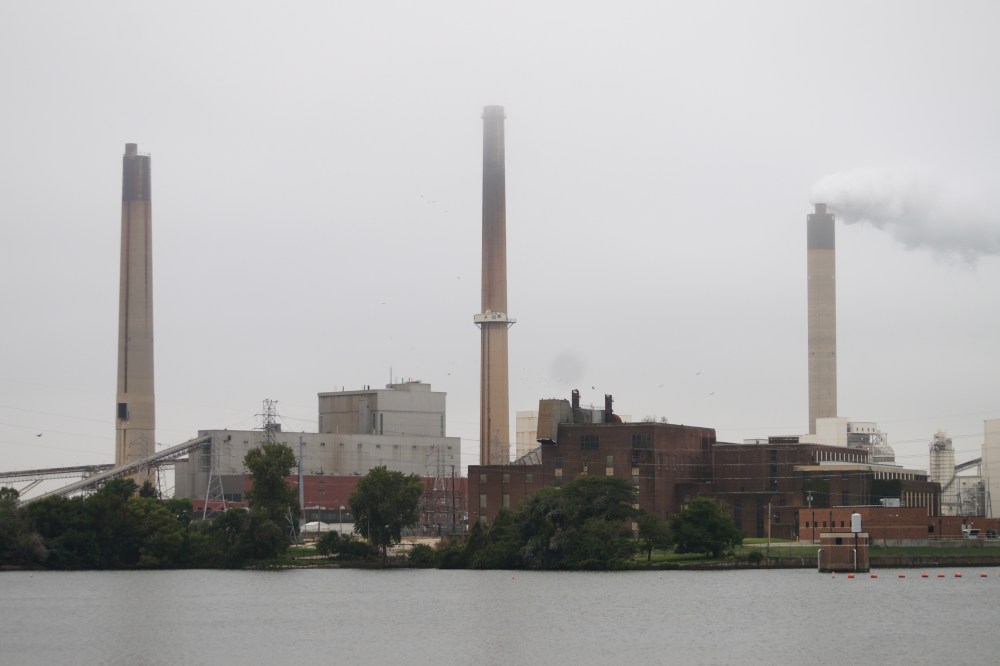
A new report says Illinois has made significant strides in reducing greenhouse gas emissions from power plants such as Illinois has made substantial progress in reducing greenhouse gas emissions in recent years, but it is not yet on track to meet its goal of reaching net-zero emissions by 2050.
That’s the conclusion of a new Comprehensive Climate Action Plan released this month by the Illinois Environmental Protection Agency.
To reach that goal, the report suggests Illinois will need to enact significant changes across virtually every sector of its economy, including transportation, building construction, manufacturing, agriculture and waste disposal.
“Illinoisans are seeing the extreme heat and storms climate change has brought to our doorstep this summer,” Illinois Climate Advisor JC Kibbey said in a statement announcing the report. “We are feeling the high, unpredictable costs of fossil fuel every time we reach for our wallets. This plan shows the great progress we’ve made on climate and clean energy — and how much more we have left to do.”
In 2024, the U.S. Environmental Protection Agency awarded Illinois a $430 million grant to implement programs to reduce greenhouse gas emissions. That money came through the federal Climate Pollution Reduction Grant program, which was an element of then-President Joe Biden’s signature Inflation Reduction Act.
The Comprehensive Climate Action Plan is intended to provide a roadmap for Illinois to reduce its carbon footprint to as little as 72% below its 2005 baseline. It also outlines two scenarios under which Illinois could virtually eliminate all carbon emissions.
Those would involve a combination of incentive packages and regulatory changes that would affect nearly every sector of the economy. But doing so, the report suggests, would produce $21 billion a year in net economic benefits.
According to the document, Illinois cut its net greenhouse gas emissions by 32% from 2005 to 2023. That was due mainly to a shift in electric generation toward natural gas and renewable sources such as wind and solar power.
The transportation industry also saw significant reductions due to improved fuel efficiency standards and the gradual adoption of electric vehicles.
Those trends are expected to continue into the future as long, the report states, as Illinois adheres to its current policies such as the 2021 Climate and Equitable Jobs Act, which calls for the complete elimination of carbon-emitting power production by 2050, and the state’s Electric Vehicle Rebate Program, which offers incentives for lower-income consumers to switch to electric vehicles.
But they will not be enough to reach the goal of net-zero emissions by 2050, according to the report. At best, without any additional policy changes, the report estimates net carbon emissions will only fall to 133 million metric tons by 2050, a 53% reduction below the 2005 baseline.
Path to further reductions
The document outlines a laundry list of additional actions Illinois could take to reduce its carbon footprint even further, starting with providing rebates and other incentives to convert all forms of commercial vehicles, including medium- and heavy-duty vehicles, to electric.
It also proposes new regulations on residential and commercial buildings. Those include adopting clean heat standards that would require a 22% reduction in emissions from natural gas by 2035, offering subsidies to install heat pumps in residential homes, adopting all-electric construction codes for new construction and phasing out gasoline-powered lawn and landscaping equipment by 2035.
It also proposes additional regulations for industrial activities such as requiring net zero emissions from cement production by 2050 and requiring reductions in emissions intensity of cement, glass, iron and steel used in public construction.
The plan also proposes stronger methane monitoring and abatement regulations for landfills and additional incentives for farmers to adopt practices that reduce carbon dioxide emissions.
The report estimates that adopting all the measures outlined in the plan would reduce the state’s carbon footprint to 79 million metric tons, or 72% below 2024 levels.
The document also outlines two scenarios for achieving a complete “net zero” footprint by 2050, both requiring high levels of energy efficiency and replacing fossil fuels with electrification or other kinds of renewable fuels.
One plan, called the “moderate efficiency and flexibility” scenario, assumes full electrification of buildings by 2050 with 32% of households using hybrid heat pumps. It also assumes a rapid expansion of electric vehicles.
The “high efficiency and flexibility” scenario places greater emphasis on reducing energy demand. It calls for shifting the focus of new residential development to multifamily buildings instead of single-family homes to reduce heating and cooling loads. It also calls for higher density development and increased reliance on public transportation to reduce the overall number of vehicle miles traveled on roads.
Costs and benefits
The report acknowledges that adopting the policies it outlines would require substantial new investments from the state, private industry and consumers. Those include costs for new infrastructure, vehicles, heat pumps and alternative fuels, to name a few.
But the report says those investments will also yield long-term cost savings from reduced fossil fuel consumption, greater efficiencies, reduced greenhouse gas emissions and improved health and air quality benefits.
It estimates the improvements in air quality alone would lead to between 392 and 631 fewer premature deaths per year. That translates to between $8.8 and $13.8 billion in avoided healthcare costs and increased worker productivity.
“Including the monetized benefits of reduced (greenhouse gas) emissions and health benefits, the total annual net benefit of the Increased State Action scenario reaches $21 billion by 2050,” the report concludes.
“Since adoption of the Climate and Equitable Jobs Act, Illinois has been a national leader in addressing carbon emissions, particularly from the energy and transportation sectors,” Illinois EPA Director James Jennings said in a statement. “The (Comprehensive Climate Action Plan) builds on these past successes by identifying a path for Illinois to achieve significant reductions in climate change-causing greenhouse gases and meet the state’s long term climate goals.”
___
This story was originally published by Capitol News Illinois and distributed through a partnership with The Associated Press.