Sneaky food companies use deceptive language to sell their less-than-healthy products
Advertisement
Read this article for free:
or
Already have an account? Log in here »
To continue reading, please subscribe:

Digital Subscription
One year of digital access for only $205*
- Enjoy unlimited reading on winnipegfreepress.com
- Read the E-Edition, our digital replica newspaper
- Access News Break, our award-winning app
- Play interactive puzzles
*First annual payment billed as $205.00 + GST for one year. This annual subscription will automatically renew at $233.00 + GST every 52 weeks (10% off the regular annual price of $259.35). Offer available to new and qualified returning subscribers only. Cancel any time.
To continue reading, please subscribe:
Add Free Press access to your Brandon Sun subscription for only an additional
$1 for the first 4 weeks*
- Enjoy unlimited reading on winnipegfreepress.com
- Read the E-Edition, our digital replica newspaper
- Access News Break, our award-winning app
- Play interactive puzzles
*Your next Brandon Sun subscription payment will increase by $1.00 and you will be charged $17.95 plus GST for four weeks. After four weeks, your payment will increase to $24.95 plus GST every four weeks.
Read unlimited articles for free today:
or
Already have an account? Log in here »
Hey there, time traveller!
This article was published 12/05/2014 (4532 days ago), so information in it may no longer be current.
Last week, Kellogg announced it would no longer use the terms “All Natural” and “Nothing Artificial” on its Kashi products.
The move stems from a class-action settlement in which the company will pay out $5 million for allegedly misleading people with its claims on some of its Kashi-labelled products.
The settlement highlights the sneaky marketing tools food giants use to sell their wares.
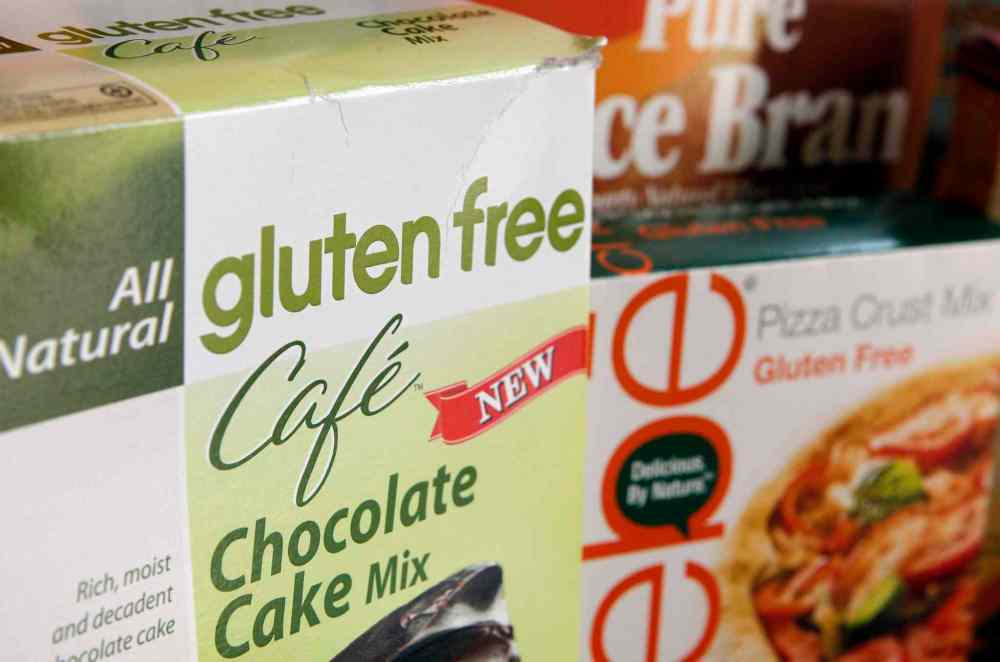
With catch phrases such as no added sugar, multigrain and gluten-free sprawled across your packages of cereal, crackers, cookies, candy, yogurt and juice, it’s easy to be fooled.
Here are a few common label claims and how you can arm yourself against deceptive food marketing:
The claim: Contains zero trans fat.
What it leads you to believe: The product is free of trans fatty acids, man-made fats — also known as hydrogenated fats/oils — which increase the shelf life of packaged foods. (Scientists say trans fats raise your so-called “bad” cholesterol and lowers your so-called “good” cholesterol).
The reality: Many products touting a no trans fat claim actually do contain trans fats. The trick is the company lists a small enough serving size in which they can legally claim that the serving size contains no trans fats. Meanwhile, if you eat a few servings of the food, you’re likely getting more trans fats than you bargained for. Want to know if you’re being duped? Scan the ingredient list for hydrogenated oil. If it makes the list, you know the product contains trans fats, even if the serving size documented claims to have zero grams of the substance.
The claim: Contains no gluten.
What it leads you to believe: The product is nutritious, good for your body and free of gluten, an ingredient you’ve heard is toxic.
The reality: Gluten is a protein found wheat and other grains. In people with celiac disease, ingesting gluten triggers an immune reaction that destroys the inner lining of the small bowel. Gluten is only bad for people with celiac disease (an estimated one per cent of Canadians have it) or a sensitivity to gluten. Meanwhile, many gluten-free products are high in sugar and contain little fibre and other nutrients.
The claim: Low in fat.
What it leads you to believe: The product is good for your heart and your overall health.
The reality: Many processed foods that are low in fat are high in sugar and low in nutrients. Keep in mind that fat isn’t always an evil thing. An avocado, for example, is high in fat. However, most of it is the kind that helps protect you from heart disease. This high-fat fruit also contain a healthy nine grams of fibre. A tip: When scanning food labels, look at the type of fat in the food. Saturated fat is something you should try to avoid. But feel free to indulge in foods containing unsaturated fats such as avocado and walnuts.
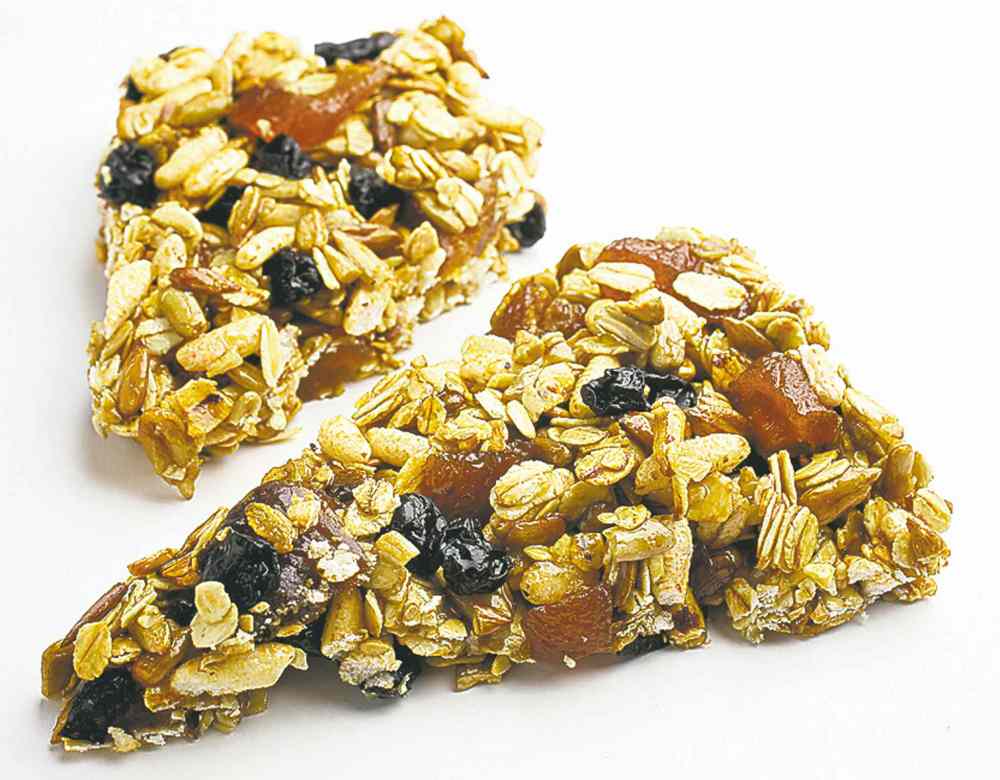
The claim: No added sugar.
What it leads you to believe: The food contains little if any sugar and contains fewer calories than foods with added sugar.
The reality: Whether sugar is added to a food or not, it can still contain a high dose of sugar. Take all-natural fruit juice, for example. It’s loaded with naturally occuring sugar and will raise your blood sugar just as a can of Coke would. It also contains just as many calories.

The claim: Made with whole grains.
What it leads you to believe: The food is high in fibre, contains no processed white flour and is probably lower in sugar than products without the whole grains.
The reality: It’s true that whole grains — grains that are intact and unprocessed — are nutritionally superior than processed white flour and have been linked to lower disease rates. But just because a food is “made with whole grains” doesn’t mean it’s healthy. For example, certain high-sugar, low-fibre cereals do contain some whole grain as a first ingredient followed by sugar and refined flour. To protect yourself against misleading grain claims, look for a product that is lower in sugar (five grams or less in a reasonably-sized serving) and make sure the product has at least a couple of grams of fibre — the more the better.
Have an interesting story idea you’d like Shamona to write about? Contact her at shamona.harnett@freepress.mb.ca.
History
Updated on Monday, May 12, 2014 8:22 AM CDT: Changes headline, replaces photo