

Fitness trackers going high-tech, but even plain old pedometer can motivate you
Advertisement
Read this article for free:
or
Already have an account? Log in here »
To continue reading, please subscribe:
Monthly Digital Subscription
$0 for the first 4 weeks*
- Enjoy unlimited reading on winnipegfreepress.com
- Read the E-Edition, our digital replica newspaper
- Access News Break, our award-winning app
- Play interactive puzzles
*No charge for 4 weeks then price increases to the regular rate of $19.95 plus GST every four weeks. Offer available to new and qualified returning subscribers only. Cancel any time.
Monthly Digital Subscription
$4.99/week*
- Enjoy unlimited reading on winnipegfreepress.com
- Read the E-Edition, our digital replica newspaper
- Access News Break, our award-winning app
- Play interactive puzzles
*Billed as $19.95 plus GST every four weeks. Cancel any time.
To continue reading, please subscribe:
Add Free Press access to your Brandon Sun subscription for only an additional
$1 for the first 4 weeks*
*Your next subscription payment will increase by $1.00 and you will be charged $16.99 plus GST for four weeks. After four weeks, your payment will increase to $23.99 plus GST every four weeks.
Read unlimited articles for free today:
or
Already have an account? Log in here »
Hey there, time traveller!
This article was published 27/10/2014 (4093 days ago), so information in it may no longer be current.
The innocuous little band on Seth Mnookin’s wrist may not seem like much, but it has transformed the way he goes about his day. The device, a fitness tracker called Fitbit, counts the steps he takes and allows him to log them online.
“It’s changed my behaviour dramatically,” says Mnookin, a 42-year-old journalist and associate director of MIT’s science writing program. Mundane tasks such as walking to faculty meetings, returning books to the library and going out to feed the parking meter no longer feel like time-sucking chores, Mnookin says. Instead, they’re opportunities to accumulate more steps.
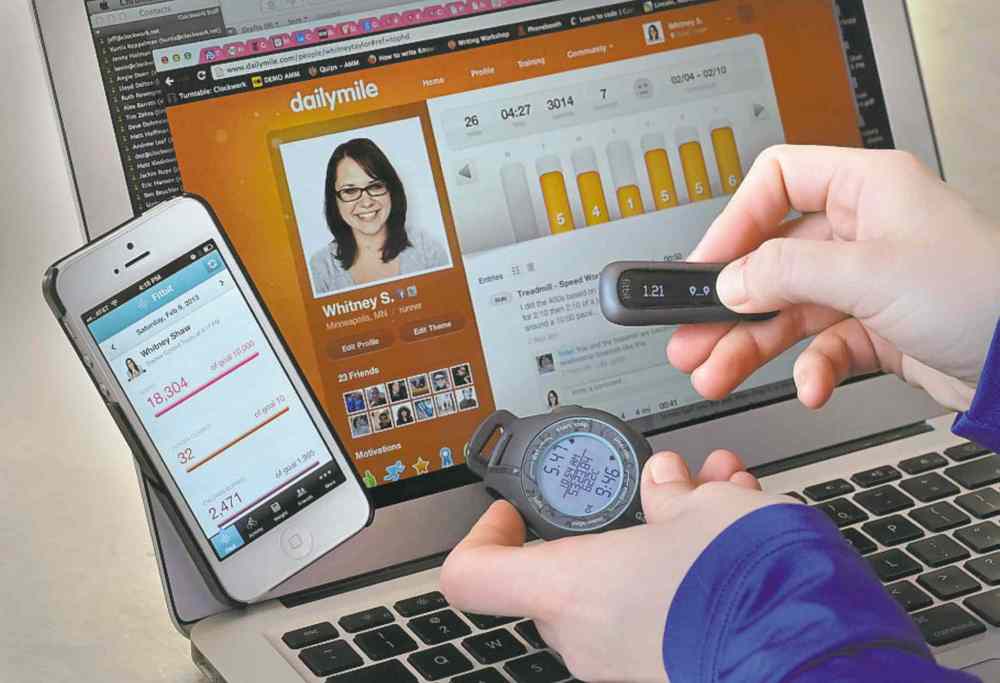
Tracking steps is nothing new: For years, public health experts have promoted pedometers as a tool to encourage people to become more active. Those old-style devices, which clip on the waistband and count steps, are cheap and simple, but they lack the bells and whistles found on such high-tech trackers as Fitbit, Jawbone Up, the Withings Pulse Ox and Misfit Shine, which sync your data to your smartphone or computer and allow you to keep detailed records, set goals and share and compare your data with friends. Most also calculate distance walked or calories burned and allow you to track other types of data, such as diet and sleep.
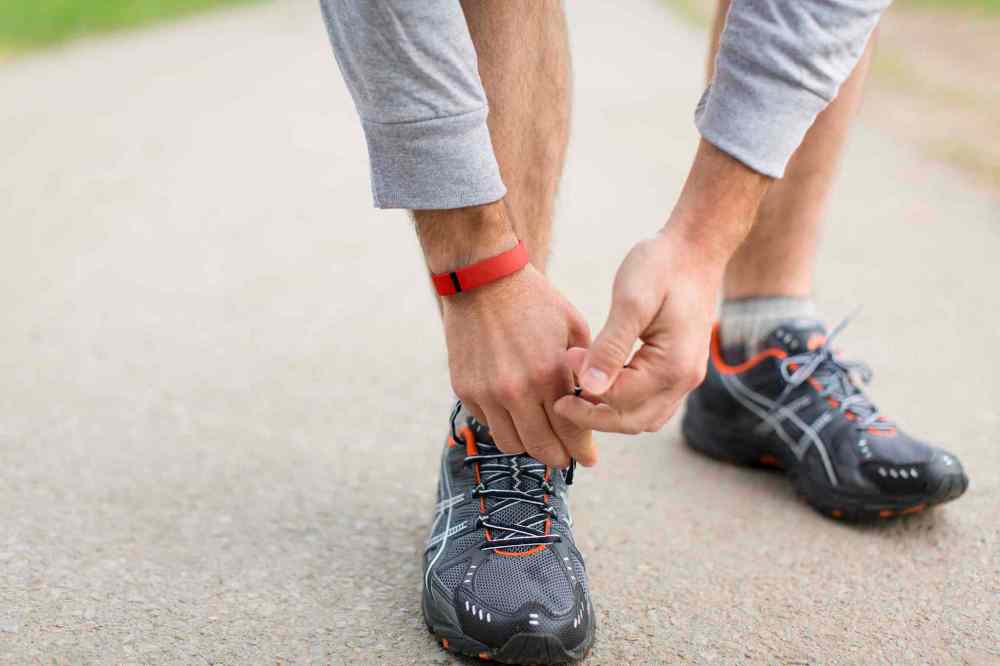
But do these extra features amp up your motivation or produce better fitness results? Not necessarily, says Catrine Tudor-Locke, director of the Walking Behavior Laboratory at Pennington Biomedical Research Center in Baton Rouge, La.
“We find that a low-tech pedometer with a battery that lasts three years changes behaviour just as much as any of these fancy devices that you have to charge more often and connect to download,” she says.
The most important thing that fitness trackers do is make people aware of how much (or how little) they’re moving, Tudor-Locke says, and that usually motivates them to find opportunities for physical activity.
Mnookin has found that his Fitbit feeds into what he calls his obsessive-compulsive side. With a busy job and two young children, he doesn’t have much time to spare, but his desire to end the day with a pleasing number of steps has spurred him to engineer physical activity into his daily life.
Mnookin aims for 10,000 steps per day — Fitbit’s default goal, which works out to approximately five miles of walking. It’s an amount of exercise he can’t usually reach without some deliberate effort, so he bikes to work most days and has made a habit of doing laps around his office building. For 19 straight months, Mnookin has never logged fewer than 10,000 steps. “I haven’t missed a single day, even if I have to walk around an airport or do laps around my kitchen table,” he says.
Ten thousand steps has become a standard daily goal for step trackers, but this number is mostly an accident of history, Tudor-Locke says. The number comes from a small Japanese study that followed obese diabetic patients and found that those instructed to walk 10,000 steps per day (most walked closer to 20,000) lost more weight than those who managed their diabetes with diet alone and typically walked about 4,500 steps a day. “It’s not like the angels start singing when you hit 10,000,” Tudor-Locke says.
Current public health recommendations call for 150 minutes of exercise per week, which amounts to about 7,000 to 8,000 steps per day, Tudor-Locke says — about 1,000 to 2,000 more than the average American walks daily.
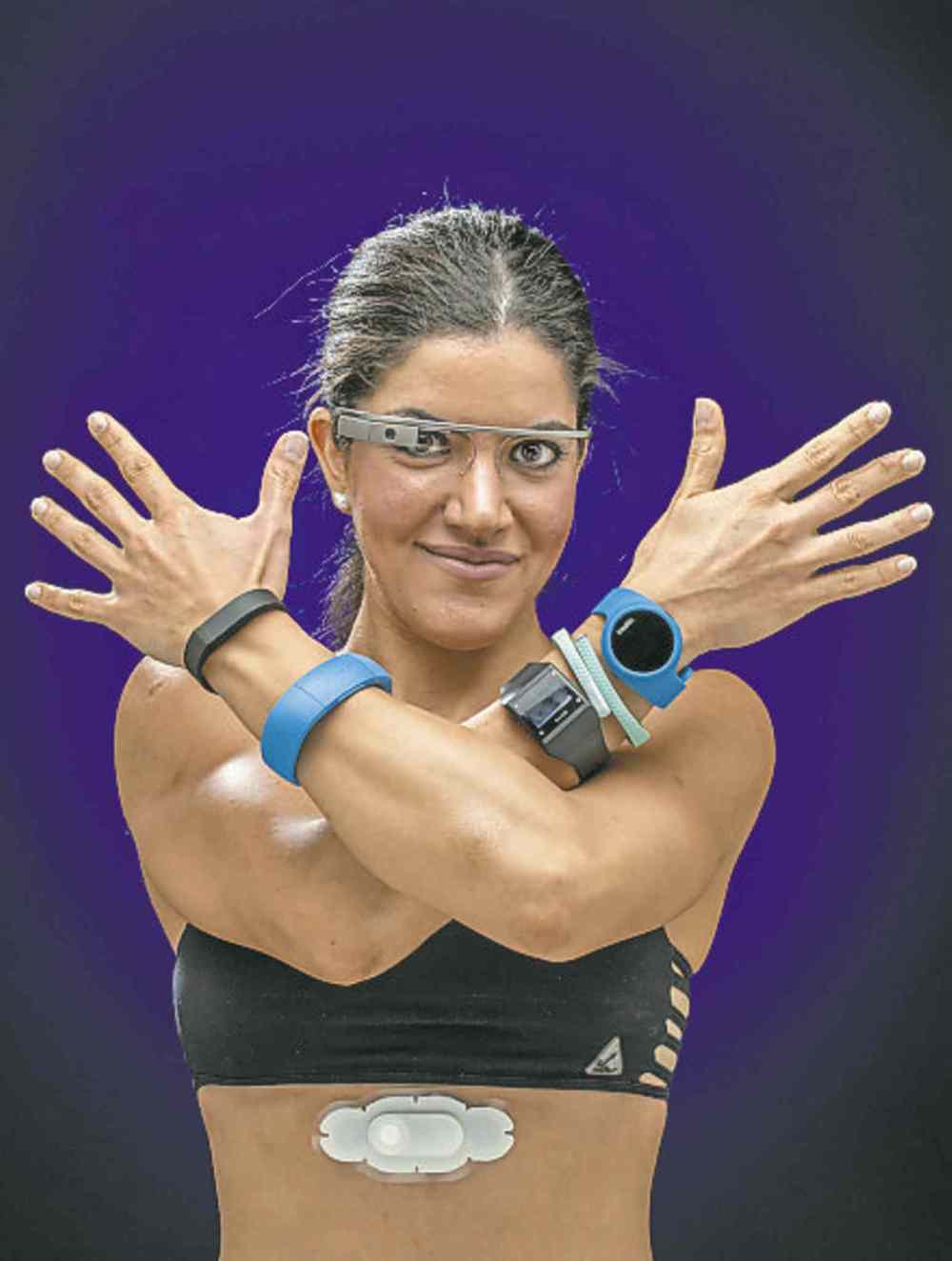
Research suggests that pedometers can help people improve their step counts. A review published in the Journal of the American Medical Association examined 26 studies involving more than 2,700 participants and found that “overall, pedometer users increased their physical activity by 26.9 per cent over baseline.” The study also concluded that pedometer users significantly reduced their body mass index as well as their blood pressure. Setting a goal, such as Mnookin’s 10,000 steps per day, was a strong predictor of increased physical activity.
High-tech trackers’ ability to allow users to share data online can provoke friendly competition. Robert Cordwell, a 27-year-old data analyst in San Francisco, recently started a contest with his girlfriend, who lives in another city, to see who could log the most steps before they next met. Both were determined to win. By the end of their month-long competition, Cordwell had lost about five pounds and was spending every spare moment running or walking.
“I logged more than 50,000 steps on my biggest day, and so did she,” he says. The duel came down to the last hour, but when Cordwell developed a pain in his knee, he quit. He lost by just a few thousand steps.
But can he trust the numbers? Not necessarily, Tudor-Locke says. “The accuracy of these devices is all over the place.” A study published this year found that the Fitbit One is “valid and reliable” for measuring step counts but that the distance calculated from these counts is “inaccurate and should be noted with caution.”

Steps tend to be the most accurate metric, while numbers provided for things like distance or calories used should be taken with a grain of salt, Tudor-Locke says. “All of those figures represent manipulations of data, based on assumptions,” which may or may not hold in your situation, she says.
A recent study found that the Fitbit significantly underestimated energy expenditure, and another in the journal Medicine and Science in Sports and Exercise tested eight different activity monitors and found that their estimates of calories burned varied from the lab-tested values by up to 23 per cent.
“While there may be a small difference of a few calories or steps between tests,” Fitbit spokeswoman Laura Emery says, “ultimately the success of our products comes from empowering users to accurately see their overall health and fitness trends over time.”
Tudor-Locke prefers trackers worn on the waist, because they’re closer to the centre of mass and usually provide more accurate measures of your movements. But she says that wearing a tracker consistently is more important than where you wear it. It’s better to use a wrist device that you can wear continuously than a waistband tracker that you forget to clip on in the morning.
— Washington Post
History
Updated on Monday, October 27, 2014 6:36 AM CDT: Replaces photo, changes headline