

Train your shoulders to carry the world
Strong muscles improve posture, prevent injuries
Advertisement
Read this article for free:
or
Already have an account? Log in here »
To continue reading, please subscribe:
Monthly Digital Subscription
$0 for the first 4 weeks*
- Enjoy unlimited reading on winnipegfreepress.com
- Read the E-Edition, our digital replica newspaper
- Access News Break, our award-winning app
- Play interactive puzzles
*No charge for 4 weeks then price increases to the regular rate of $19.95 plus GST every four weeks. Offer available to new and qualified returning subscribers only. Cancel any time.
Monthly Digital Subscription
$4.99/week*
- Enjoy unlimited reading on winnipegfreepress.com
- Read the E-Edition, our digital replica newspaper
- Access News Break, our award-winning app
- Play interactive puzzles
*Billed as $19.95 plus GST every four weeks. Cancel any time.
To continue reading, please subscribe:
Add Free Press access to your Brandon Sun subscription for only an additional
$1 for the first 4 weeks*
*Your next subscription payment will increase by $1.00 and you will be charged $16.99 plus GST for four weeks. After four weeks, your payment will increase to $23.99 plus GST every four weeks.
Read unlimited articles for free today:
or
Already have an account? Log in here »
Hey there, time traveller!
This article was published 24/10/2016 (3361 days ago), so information in it may no longer be current.
Shoulder workouts are probably one of my favourite workouts to do. I feel really strong inside and out when I complete a great shoulder workout. They say your shoulders can carry the weight of the world, so why not have a strong set to make sure you won’t break?
Esthetically, I think shapely and defined shoulders on both men and women are extremely attractive, but there are more than just esthetic reasons to get this muscle group in shape.
To begin, working out your shoulder muscles is important for good posture. Many of us sit at desks all day, which can lead to us hunching over, causing issues with your back, chest, shoulders and neck. It is so common that there is now a name for the issue, computer neck syndrome. Strong and mobile shoulder muscles will help keep your posture strong and correct.
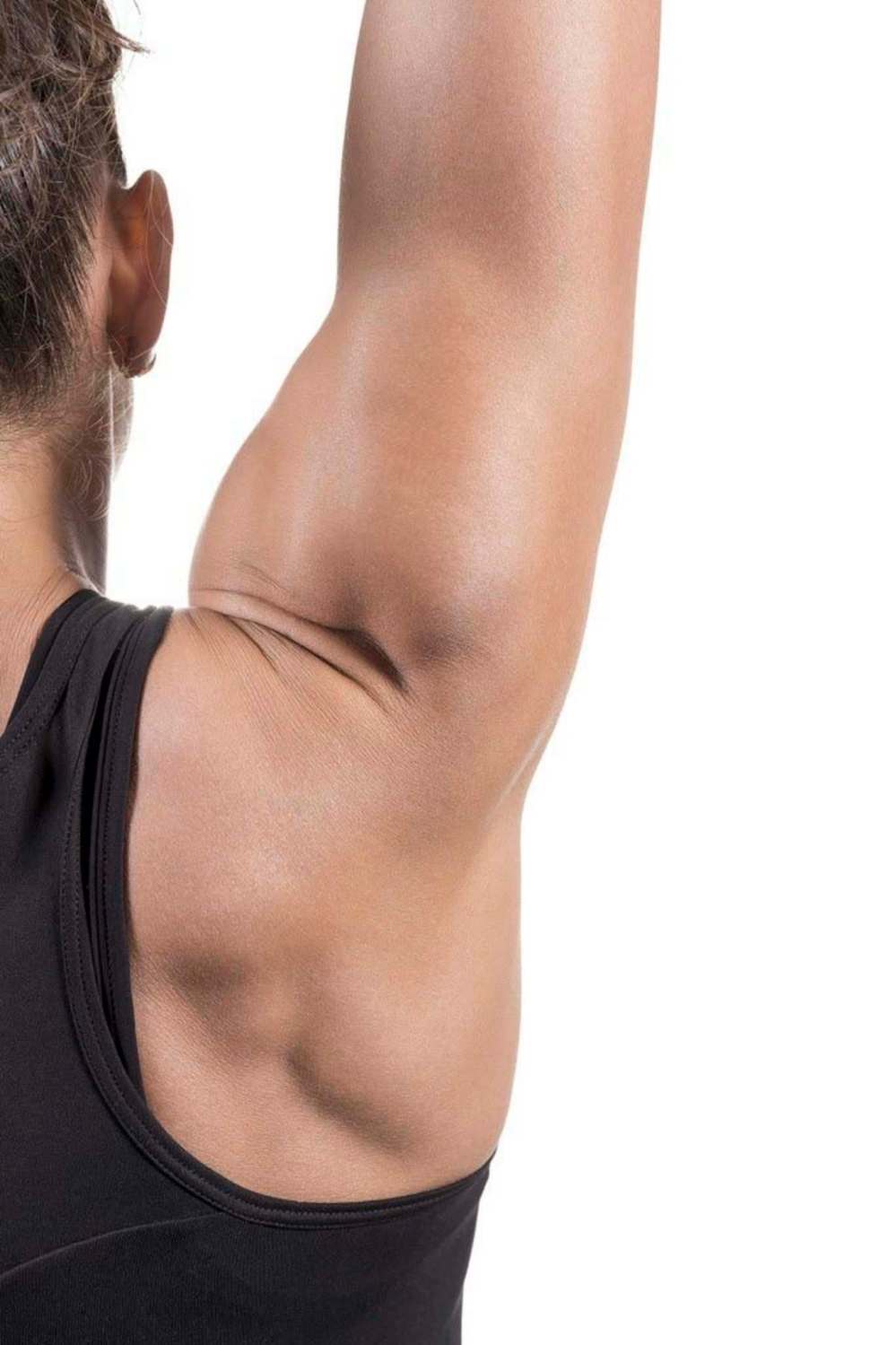
Secondly, strong shoulders allow for overall muscle balance so other muscles can grow. If you neglect training your shoulders and stick to only your arms and abs for upper body, eventually those muscles will plateau in their growth and/or strength. It is really important to train all of your muscles, not just the ones for a beach body.
Next, the shoulder is the most moveable and unstable joint in the body, and is susceptible to injury. About five years ago, I dislocated my shoulder, which in turn lead to a bunch of small tears in my rotator cuff. Your overall arm mobility and range of motion relies on your rotator cuff to be strong and together.
Injuries are always hard to recover from, but ensuring you continue to strengthen those areas moving forward can help ensure you don’t suffer from the same injury time and time again. Training the muscles of the rotator cuff will stabilize the shoulder joint, helping you avoid injuries.
Finally, we use our shoulders for so many daily activities such as lifting groceries, raking leaves, household chores and chasing after kids. If we don’t keep our shoulders strong and healthy, many of our daily activities would be affected.
There are three main muscles in the shoulder — the anterior deltoid, the lateral deltoid and the posterior deltoid. The anterior deltoid runs along the front of your shoulder muscle. This muscle is the one you use when reaching forward for something or giving a high-five. The lateral deltoid runs along the side of your shoulder and is used for movements that are moving away from your body. Think of how your body moves when you make a snow angel. The last area is the posterior deltoid, which runs along the back of your body. These muscles are used when reaching for something behind you. Think of when you reach for your partner or child’s hand that is a step behind.
All three of the above muscles are important in strengthening your shoulders and, in turn, having a healthy range of motion. As well, ensuring you are training your rotator cuff muscles is really important. Below are shoulder exercises that will help train all the muscles mentioned here.
Remember, before beginning any new exercise program, to always speak with your doctor or health practitioner first.
Rotator Cuff
Side-lying external rotations: Lying on your right side, choose a light weight (up to five pounds) in your left arm. Keep your left elbow at your hip or waist line, and bend it at a 90-degree angle, with your palm facing in. Slowly rotate your arm so the dumbbell goes from touching your right rib cage towards the ceiling, all while keeping your elbow still. Do this on both sides, for three sets of 10 on each side.
Lawn-mower pull: Using tubing, hold both handles in your left hand and put the tubing under your right foot. Pull the tubing from a relaxed position across your body, lifting your elbow to be parallel with your shoulder, keeping your fist down similar to starting a lawn mower. Repeat this exercise on both sides, for three sets of 10.
Standing rotator cuff rotations: Using tubing again, tie one end of the tubing to something stable, such as a pole or squat rack. Place one or both of the handles (two handles increases the resistance) in your left hand so the tubing comes across your body. Similar to the side-lying external rotations, keep your left elbow close to your body with your hand at a 90-degree angle in front of you. Rotate your arm outward. Next switch hands, still facing the same direction. This time, use your right hand to pull the tubing across your body. Do both of these exercises 10 times for three sets of 10, facing both directions for a total of 12 sets.
Deltoids
Shoulder press with dumbbells: Choose a weight that you are confident you can lift overhead if you do not have a spotter. With a dumbbell in each hand, slowly press the weights overhead until your arms are straight. Lower the weights slowly back down to the top of your shoulders. Repeat this exercise eight to 10 times, for three sets.
Lateral raises: With weights in each hand by your side, slowly raise your hands away from your body with a slight bend in your elbow. Your palm should be facing your body at the starting point, and at the ground at the end point. Lift the weights until your wrists and parallel to your shoulders. In a controlled fashion, slowly lower your arms back to your sides. Repeat this exercise eight to 10 times, for three sets.
Anterior raises: Similar to the movement of lateral raises, although this time you are lifting in front of your body rather than to the side. Your palms should start by facing your body and continue that way until your wrists are in line with your shoulders. Slowly lower your hands back to your body. Repeat this exercise eight to 10 times, for three sets.
Upright row: This exercise can be done with a bar or a dumbbell in each hand. Begin by placing the bar or dumbells in your hands with your arms down and straight, palms facing your body. Bring the bar up by bending your elbows, so that the bar almost touches your chin. Your elbows should not go higher than your shoulders. Ensure this movement is smooth and controlled to avoid injury. Slowly lower and repeat eight to 10 times for three sets.
Andrea Katz is a certified fitness instructor and former competitive athlete. She co-founded the marketing agency Fit Communications with her sister and partner Allison Gervais. With Fit Communications, Andrea and Allison are on a mission to spread the word of health every day.