Groups oppose Manitoba’s proposed drug consumption site bill, call for changes
Advertisement
Read this article for free:
or
Already have an account? Log in here »
To continue reading, please subscribe:

Digital Subscription
One year of digital access for only $205*
- Enjoy unlimited reading on winnipegfreepress.com
- Read the E-Edition, our digital replica newspaper
- Access News Break, our award-winning app
- Play interactive puzzles
*First annual payment billed as $205.00 + GST for one year. This annual subscription will automatically renew at $233.00 + GST every 52 weeks (10% off the regular annual price of $259.35). Offer available to new and qualified returning subscribers only. Cancel any time.
To continue reading, please subscribe:
Add Free Press access to your Brandon Sun subscription for only an additional
$1 for the first 4 weeks*
- Enjoy unlimited reading on winnipegfreepress.com
- Read the E-Edition, our digital replica newspaper
- Access News Break, our award-winning app
- Play interactive puzzles
*Your next Brandon Sun subscription payment will increase by $1.00 and you will be charged $17.95 plus GST for four weeks. After four weeks, your payment will increase to $24.95 plus GST every four weeks.
Read unlimited articles for free today:
or
Already have an account? Log in here »
Hey there, time traveller!
This article was published 15/03/2023 (1297 days ago), so information in it may no longer be current.
WINNIPEG – The Manitoba government’s plan to require licensing for supervised drug consumption sites discredits harm reduction services and threatens work already being done to address overdoses, advocates say.
The Manitoba Health Coalition is calling for the province to rescind the proposed legislation and consult with it on a new plan that would include standards and regulations around harm reduction and addiction services that are in line with what front-line groups and people who use drugs have been asking for.
“We want to do this work with the support of the government,” Jamil Mahmood, executive director of Main Street Project, one of the six groups in the coalition, said Wednesday.
“This kind of bill just creates a divide between government and community, and really shows they’re out of touch with what’s happening on the ground.”
The bill was introduced Tuesday by Janice Morley-Lecomte, minister for mental health and community wellness.
It would require supervised drug consumption sites, addiction centres with beds and withdrawal-management services to apply for provincial licences.
The licence would spell out what kind of services can be offered, set standards of care and require minimum levels of medical supervision. The province would have inspectors to enforce the law and providers that break the rules could face fines of up to $50,000 per day.
Community organizations have been asking the province to sit down with them to discuss overdose deaths and toxic drug supply.
Dozens of groups signed an open letter to all levels of government in the fall urging governments to take immediate action.
Mahmood said there were some conversations around standards for withdrawal management services, but they have not heard back about their requests.
“We were quite surprised they would put forth a bill without any consultation or connection to groups doing this work in the community,” Mahmood said.
Manitoba’s Progressive Conservative government has long opposed supervised drug consumption sites, saying people facing addiction need to be guided toward treatment and recovery services. Manitoba has been the only province west of the Maritimes without one.
Advocates are concerned the bill would further stigmatize drug users and create unnecessary red tape.
The legislation could require these sites to be run by medically trained professionals such as nurses or doctors.
It’s going to have serious implications for organizations that prefer to work with peers and people with lived experience, said Levi Foy, executive director of the resource centre Sunshine House.
“It completely denounces the knowledge and the experience of people who use drugs as being a valuable asset in the creation of an ecosystem of supporting people who use drugs,” Foy added.
Sunshine House received a federal exemption last fall under drug laws to operate a mobile overdose prevention van in central Winnipeg with harm-reduction supplies on board.
The bill would also require the organization to apply for a provincial licence on top of its federal exemption.
“We already have to follow federal regulation and federal oversight. These things already exist at the federal level, and that are a national standard,” Foy said.
Data from the organization shows from November 2022 to February, 4,587 people have used the centre’s prevention services.
Foy said organizations such as Sunshine House can provide invaluable direction to the government because they are the ones doing community consultations and speaking with those most affected by a toxic drug supply and overdoses.
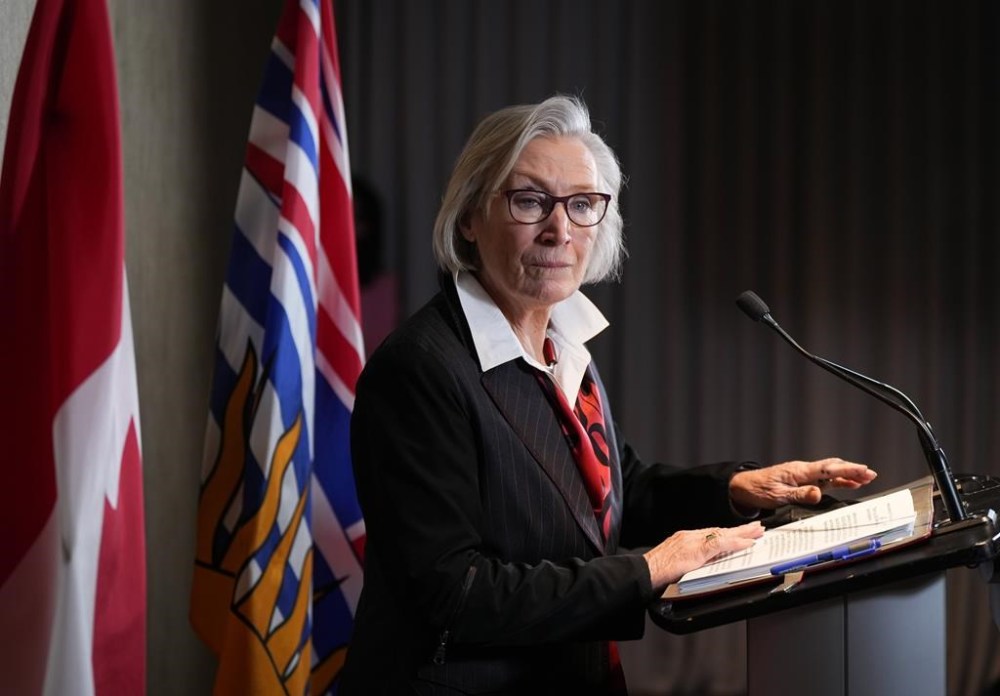
Federal Mental Health and Addictions Minister Carolyn Bennett weighed in on the issue Wednesday at an announcement in Winnipeg. Bennett said she is concerned some may misunderstand the role harm reduction plays in reducing overdose deaths.
The large number of overdoses that have been reversed at such sites across the country shows they are a form of harm reduction backed by evidence and not rooted in ideology, she said.
“We want to make sure that nothing is increasing the barriers to people getting harm reduction,” Bennett said.
The federal government believes supervised consumption sites are essential elements to addressing overdose deaths and addictions issues, she said.
Bennett said governments need to be open to all forms of harm reduction that people on the front lines and drug users have been calling for, including access to safe supply and safe consumption.
She said it was too soon to comment on Manitoba’s proposed legislation, but added she would speak with the province about the bill.
Morley-Lecomte’s office defended the government’s plan in an email Wednesday night, saying the coalition’s claims are “particularly disingenuous and entirely political, given its overt ties to the Manitoba NDP.”
The government said licensing of addiction services is reasonable in light of the federal government allowing supervised consumption and overdose prevention sites in Manitoba with only minimal requirements on their operations and without any oversight of the provincial government.

“There are no current requirements for federally exempt consumption sites in Manitoba to register clients with health cards, track outcomes, maintain regulated health-care professionals on-site or refer clients to treatment services,” the statement said.
“There are also no regulations around proximity of such sites to schools or community centres.”
The government said its proposed legislation would require criminal record checks of service provider staff.
It’s not clear whether the bill will be passed into law before the Oct. 3 provincial election. The NDP Opposition have the opportunity to hold up its passage.
This report by The Canadian Press was first published March 15, 2023.
Related Articles
Opioid OD antidote use spikes as street-drug deaths soar to record levels


Advertisement Advertise With Us
Advertisement Advertise With Us