Minnesota agency had data on iron foundry’s pollution violations but failed to act, report says
Advertisement
Read this article for free:
or
Already have an account? Log in here »
To continue reading, please subscribe:

Digital Subscription
One year of digital access for only $205*
- Enjoy unlimited reading on winnipegfreepress.com
- Read the E-Edition, our digital replica newspaper
- Access News Break, our award-winning app
- Play interactive puzzles
*First annual payment billed as $205.00 + GST for one year. This annual subscription will automatically renew at $233.00 + GST every 52 weeks (10% off the regular annual price of $259.35). Offer available to new and qualified returning subscribers only. Cancel any time.
To continue reading, please subscribe:
Add Free Press access to your Brandon Sun subscription for only an additional
$1 for the first 4 weeks*
- Enjoy unlimited reading on winnipegfreepress.com
- Read the E-Edition, our digital replica newspaper
- Access News Break, our award-winning app
- Play interactive puzzles
*Your next Brandon Sun subscription payment will increase by $1.00 and you will be charged $17.95 plus GST for four weeks. After four weeks, your payment will increase to $24.95 plus GST every four weeks.
Read unlimited articles for free today:
or
Already have an account? Log in here »
Hey there, time traveller!
This article was published 08/11/2023 (1056 days ago), so information in it may no longer be current.
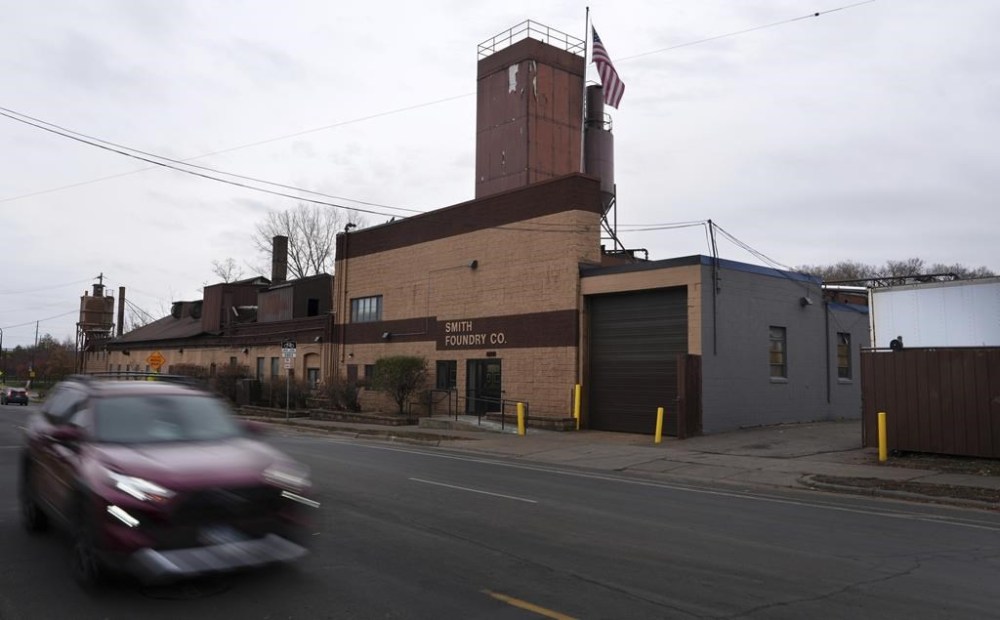
MINNEAPOLIS (AP) — A Minnesota iron foundry has been violating air emissions laws for at least five years, but the state agency responsible for enforcing air permits didn’t take action against the company, the Minneapolis Star Tribune reported Wednesday.
The Minnesota Pollution Control Agency tested the air along the perimeter of Smith Foundry in Minneapolis in October 2022 and in April, according to the U.S. Environmental Protection Agency. The EPA said that both times, the state recorded high levels of particulate matter, which can cause heart attacks, asthmas and chronic health conditions.
But it wasn’t until a surprise EPA inspection in May that federal regulators made demands that the company comply with air pollution laws.
“It’s such a breach of trust,” said Joe Vital, who lives near the foundry. “The community has met for years with the MPCA asking them to inspect this facility. It’s just regulatory neglect.”
MPCA officials said they are reviewing the EPA’s findings.
“The MPCA is committed to scheduling a community meeting with the neighborhood as soon as possible,” a statement released Tuesday read. “We are also working to increase air monitoring near Smith Foundry.”
The newspaper reported that during the May 26 inspection, EPA investigators pulled the company’s last five years of emissions reports, which it submits annually to the state agency. In each of those years the company reported data indicating it emitted particulate-matter pollution at rates that were nearly twice as high or more than twice as high as state limits allowed.
Asked why it didn’t detect the violations, the MPCA said it doesn’t require the company to submit the data it would need to determine that.
The foundry has operated at the same site for 100 years and makes iron castings. It has about 50 employees and was purchased by Zynik Capital in December. MPCA emissions reports show that it has long been one of the biggest producers of lead pollution in Minnesota.

“We’re working with the EPA trying to get everything resolved,” foundry controller Ron Steffens told the Star Tribune. “We’ve been doing some maintenance around the plant to get things corrected.”
The company said in a statement that it replaced filters on its baghouses, welded cracks and replaced problem vents identified by inspectors. It pledged to meet “safe standards for our neighbors and union workers.”
The EPA wrote in a letter to the company in August that it could issue an administrative penalty order or pursue a civil or criminal complaint. An EPA official declined comment.
Evan Mulholland, a lawyer with the Minnesota Center for Environmental Advocacy, questioned why the state wasn’t investigating the site long ago.
“This is not in the middle of nowhere — there’s a day care a quarter-mile away,” Mulholland said.