NACI recommends universal immunization program against RSV for infants
Advertisement
Read this article for free:
or
Already have an account? Log in here »
To continue reading, please subscribe:

Digital Subscription
One year of digital access for only $205*
- Enjoy unlimited reading on winnipegfreepress.com
- Read the E-Edition, our digital replica newspaper
- Access News Break, our award-winning app
- Play interactive puzzles
*First annual payment billed as $205.00 + GST for one year. This annual subscription will automatically renew at $233.00 + GST every 52 weeks (10% off the regular annual price of $259.35). Offer available to new and qualified returning subscribers only. Cancel any time.
To continue reading, please subscribe:
Add Free Press access to your Brandon Sun subscription for only an additional
$1 for the first 4 weeks*
- Enjoy unlimited reading on winnipegfreepress.com
- Read the E-Edition, our digital replica newspaper
- Access News Break, our award-winning app
- Play interactive puzzles
*Your next Brandon Sun subscription payment will increase by $1.00 and you will be charged $17.95 plus GST for four weeks. After four weeks, your payment will increase to $24.95 plus GST every four weeks.
Read unlimited articles for free today:
or
Already have an account? Log in here »
Hey there, time traveller!
This article was published 17/05/2024 (824 days ago), so information in it may no longer be current.
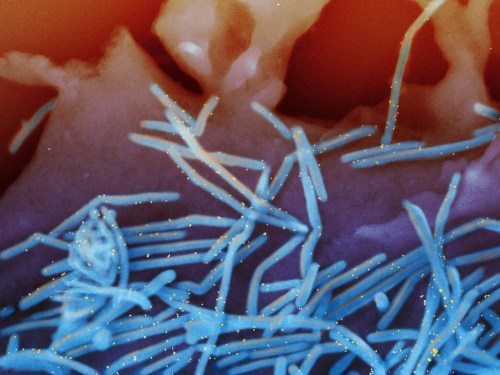
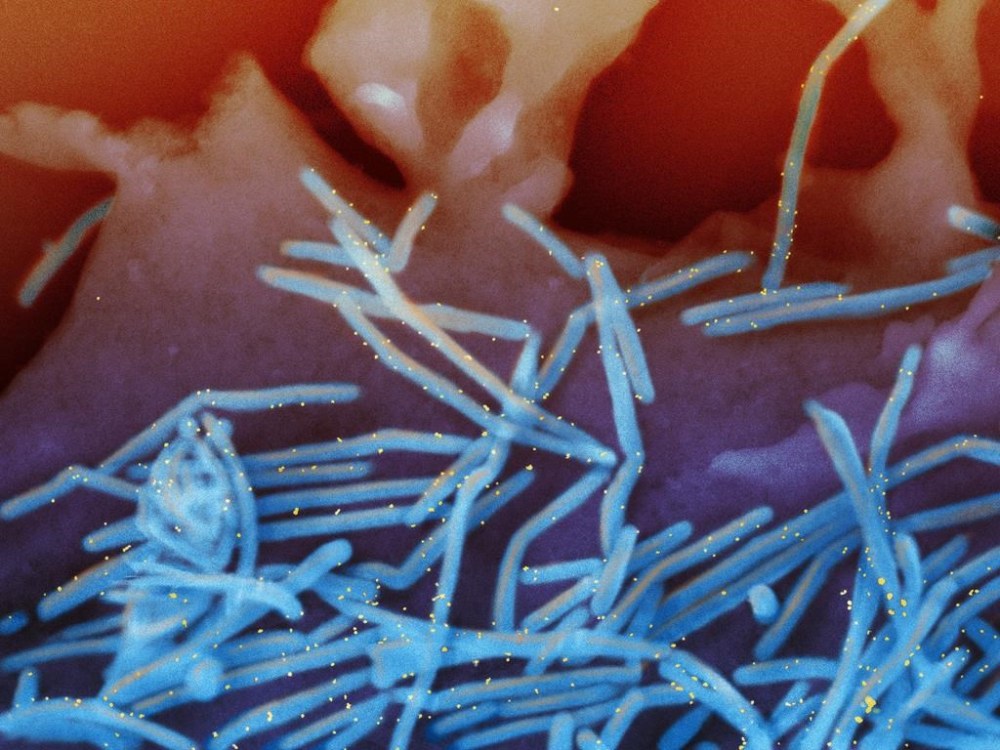
The National Advisory Committee on Immunization is recommending a universal immunization program against respiratory syncytial virus, or RSV, for all infants.
It says provinces and territories should work toward providing the antibody drug Nirsevimab for all infants before their first RSV season.
But it says they could start by prioritizing the highest-risk infants if cost or access to the antibody is a barrier to implementing a universal program right away.
Babies at highest risk of becoming seriously ill with RSV include those born prematurely, those with certain medical conditions and infants living in crowded conditions or other high-risk settings.
The committee says Nirsevimab should also be prioritized for infants living in remote areas where transportation to get treatment would be difficult if they got severe RSV, including some First Nations, Métis and Inuit communities.
Health Canada authorized Nirsevimab — also known by its brand name Beyfortus — in April 2023.
The national committee also said that pregnant people and their health-care providers could consider a vaccine called RSVpreF, or Abrysvo, which is given during the third trimester to provide protection against RSV for the infant.

This report by The Canadian Press was first published May 17, 2024.
Canadian Press health coverage receives support through a partnership with the Canadian Medical Association. CP is solely responsible for this content.