Judge rules Ohio law that keeps cities from banning flavored tobacco is unconstitutional
Advertisement
Read this article for free:
or
Already have an account? Log in here »
To continue reading, please subscribe:

Digital Subscription
One year of digital access for only $205*
- Enjoy unlimited reading on winnipegfreepress.com
- Read the E-Edition, our digital replica newspaper
- Access News Break, our award-winning app
- Play interactive puzzles
*First annual payment billed as $205.00 + GST for one year. This annual subscription will automatically renew at $233.00 + GST every 52 weeks (10% off the regular annual price of $259.35). Offer available to new and qualified returning subscribers only. Cancel any time.
To continue reading, please subscribe:
Add Free Press access to your Brandon Sun subscription for only an additional
$1 for the first 4 weeks*
- Enjoy unlimited reading on winnipegfreepress.com
- Read the E-Edition, our digital replica newspaper
- Access News Break, our award-winning app
- Play interactive puzzles
*Your next Brandon Sun subscription payment will increase by $1.00 and you will be charged $17.95 plus GST for four weeks. After four weeks, your payment will increase to $24.95 plus GST every four weeks.
Read unlimited articles for free today:
or
Already have an account? Log in here »
Hey there, time traveller!
This article was published 20/05/2024 (868 days ago), so information in it may no longer be current.
An Ohio law prohibiting cities from banning the sale of flavored tobacco products is unconstitutional, a judge has ruled.
The state is expected to appeal the ruling issued Friday by Franklin County Common Pleas Court Judge Mark Serrott, who had issued a temporary restraining order in April that stopped the law from taking effect. The measure had become law in January, after the Republican Legislature overrode GOP Gov. Mike DeWine’s veto of a budget measure that put regulatory powers in the hands of the state.
The ruling stemmed from a suit brought by more than a dozen cities, including Columbus and Cincinnati, and Serrott’s decision means their bans will stay in effect. The ruling, though, applies only to those cities and is not a statewide injunction.
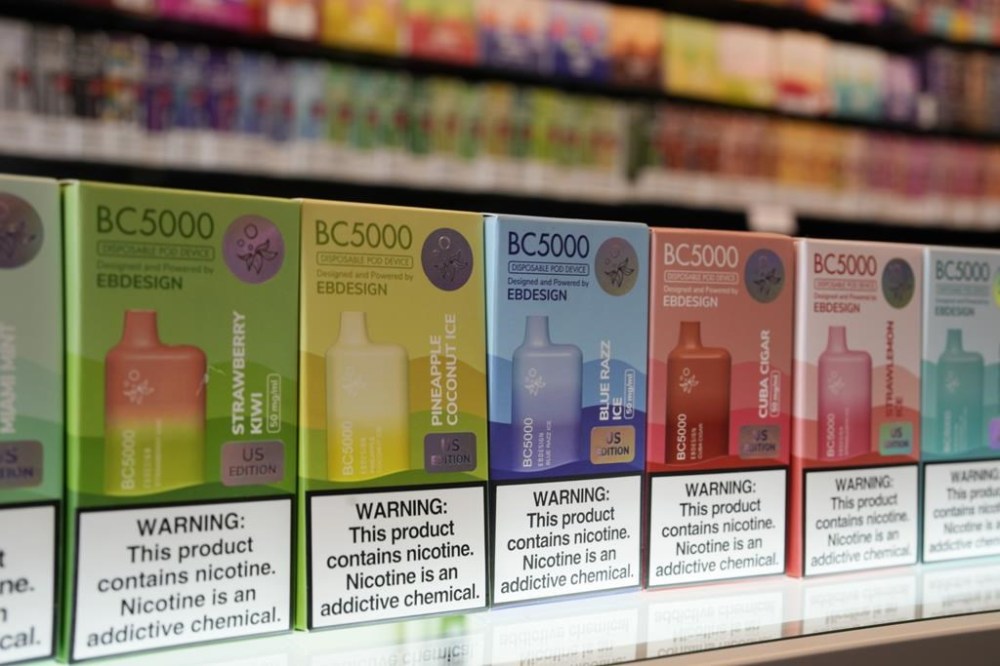
The measure, vetoed in 2022 before reappearing in the state budget, said regulating tobacco and alternative nicotine products should be up to the state, not municipalities. It also prevented communities from voting to restrict things like flavored e-cigarettes and sales of flavored vaping products.
Lawmakers passed the 2022 legislation days after Ohio’s capital city, Columbus, cleared its bans on the sale of flavored tobacco and menthol tobacco products, which would have been enacted early this year.
Anti-tobacco advocates, the American Cancer Society Cancer Action Network and DeWine himself harshly criticized the override as a win for the tobacco industry, saying it enables addiction in children as tobacco and vaping products made with fruit or candy flavors becomes more popular and accessible to kids.
Opponents of the measure had argued in part that it violates Ohio’s home rule provision, which allows local governments to create their own ordinances as long as they do not interfere with the state’s revised code. Serrott agreed, finding that the law was only designed to prevent cities from exercising home rule.
At the time of the override vote, Senate President Matt Huffman said legislators had carefully reviewed the language with the Legislative Service Commission, a nonpartisan agency that drafts bills for the General Assembly, and didn’t believe it impacted all possible tobacco restrictions local governments could pass.
Proponents of the measure tout it as a way to maintain uniformity for tobacco laws and eliminate confusion for Ohioans. They argue the state should have control rather than communities because restrictions on the products would affect state income as a whole.
DeWine has maintained that the best way to ensure uniformity in these laws would be a statewide ban on flavored tobacco.