

Pig transplant research yields a surprise: Bacon safe for some people allergic to red meat
Advertisement
Read this article for free:
or
Already have an account? Log in here »
To continue reading, please subscribe:
Monthly Digital Subscription
$0 for the first 4 weeks*
- Enjoy unlimited reading on winnipegfreepress.com
- Read the E-Edition, our digital replica newspaper
- Access News Break, our award-winning app
- Play interactive puzzles
*No charge for 4 weeks then price increases to the regular rate of $19.95 plus GST every four weeks. Offer available to new and qualified returning subscribers only. Cancel any time.
Monthly Digital Subscription
$4.99/week*
- Enjoy unlimited reading on winnipegfreepress.com
- Read the E-Edition, our digital replica newspaper
- Access News Break, our award-winning app
- Play interactive puzzles
*Billed as $19.95 plus GST every four weeks. Cancel any time.
To continue reading, please subscribe:
Add Free Press access to your Brandon Sun subscription for only an additional
$1 for the first 4 weeks*
*Your next subscription payment will increase by $1.00 and you will be charged $16.99 plus GST for four weeks. After four weeks, your payment will increase to $23.99 plus GST every four weeks.
Read unlimited articles for free today:
or
Already have an account? Log in here »
Hey there, time traveller!
This article was published 21/07/2024 (536 days ago), so information in it may no longer be current.
BLACKSBURG, Va. (AP) — Some people who develop a weird and terrifying allergy to red meat after a bite from a lone star tick can still eat pork from a surprising source: Genetically modified pigs created for organ transplant research.
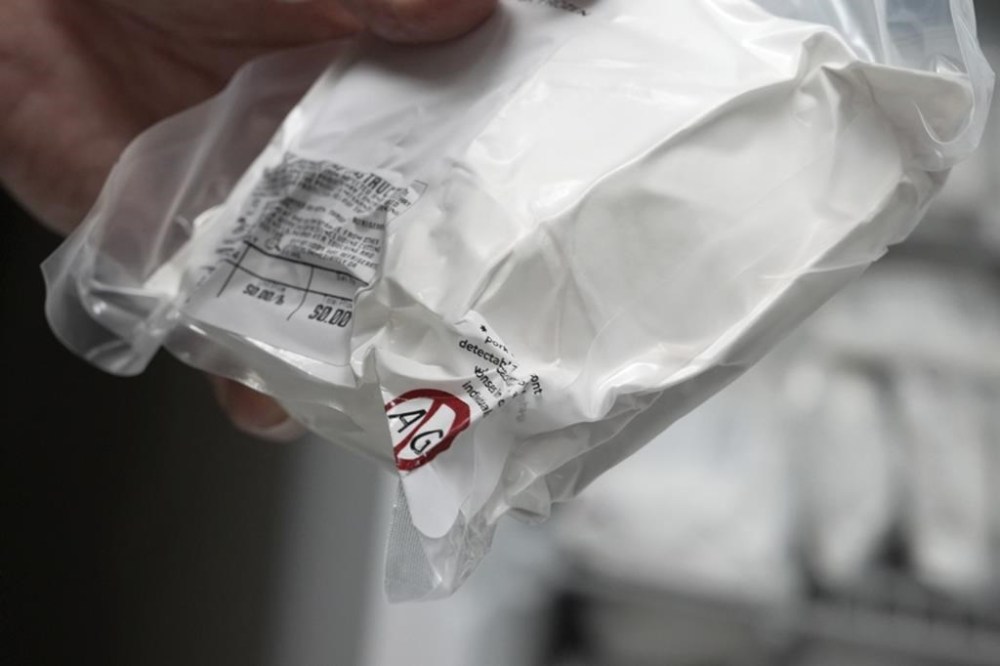
Don’t look for it in grocery stores. The company that bred these special pigs shares its small supply, for free, with allergy patients.
“We get hundreds and hundreds of orders,” said David Ayares, who heads Revivicor Inc., as he opened a freezer jammed with packages of ground pork patties, ham, ribs and pork chops.
The allergy is called alpha-gal syndrome, named for a sugar that’s present in the tissues of nearly all mammals – except for people and some of our primate cousins. It can cause a serious reaction hours after eating beef, pork or any other red meat, or certain mammalian products such as milk or gelatin.
But where does organ transplantation come in? There aren’t enough donated human organs to go around so researchers are trying to use organs from pigs instead — and that same alpha-gal sugar is a big barrier. It causes the human immune system to immediately destroy a transplanted organ from an ordinary pig. So the first gene that Revivicor inactivated as it began genetically modifying pigs for animal-to-human transplants was the one that produces alpha-gal.
While xenotransplants still are experimental, Revivicor’s “GalSafe” pigs won Food and Drug Administration approval in 2020 to be used as a source of food, and a potential source for human therapeutics. The FDA determined there was no detectable level of alpha-gal across multiple generations of the pigs.
Revivicor, a subsidiary of United Therapeutics, isn’t a food company — it researches xenotransplantation. Nor has it yet found anyone in the agriculture business interested in selling GalSafe pork.
Still, “this is a research pig that FDA approved so let’s get it to the patients,” is how Ayares describes beginning the shipments a few years ago.
Revivicor’s GalSafe herd is housed in Iowa and to keep its numbers in check, some meat is periodically processed in a slaughterhouse certified by the U.S. Agriculture Department. Revivicor then mails frozen shipments to alpha-gal syndrome patients who’ve filled out applications for the pork.
Thank-you letters relating the joy of eating bacon again line a bulletin board near the freezer in Revivicor’s corporate office.
Separately, pigs with various gene modifications for xenotransplant research live on a Revivicor farm in Virginia, including a GalSafe pig that was the source for a recent experimental kidney transplant at NYU Langone Health.
And that begs the question: After removing transplantable organs, could the pig be used for meat?
No. The strong anesthesia used so the animals feel no pain during organ removal means they don’t meet USDA rules for drug-free food, said United Therapeutics spokesman Dewey Steadman.
—-
The Associated Press Health and Science Department receives support from the Howard Hughes Medical Institute’s Science and Educational Media Group. The AP is solely responsible for all content.