’Huge difference’: Manitoba announces more transitional beds

Advertisement
Read this article for free:
or
Already have an account? Log in here »
To continue reading, please subscribe:

Digital Subscription
One year of digital access for only $205*
- Enjoy unlimited reading on winnipegfreepress.com
- Read the E-Edition, our digital replica newspaper
- Access News Break, our award-winning app
- Play interactive puzzles
*First annual payment billed as $205.00 + GST for one year. This annual subscription will automatically renew at $233.00 + GST every 52 weeks (10% off the regular annual price of $259.35). Offer available to new and qualified returning subscribers only. Cancel any time.
To continue reading, please subscribe:
Add Free Press access to your Brandon Sun subscription for only an additional
$1 for the first 4 weeks*
- Enjoy unlimited reading on winnipegfreepress.com
- Read the E-Edition, our digital replica newspaper
- Access News Break, our award-winning app
- Play interactive puzzles
*Your next Brandon Sun subscription payment will increase by $1.00 and you will be charged $17.95 plus GST for four weeks. After four weeks, your payment will increase to $24.95 plus GST every four weeks.
Read unlimited articles for free today:
or
Already have an account? Log in here »
Hey there, time traveller!
This article was published 16/08/2024 (788 days ago), so information in it may no longer be current.
Dozens of patients who couldn’t be discharged because they didn’t have a proper place to go will now have options after the province announced funding for transitional beds Friday.
Health Minister Uzoma Asagwara announced the government will add 68 transitional care beds in an effort to reduce emergency department wait times and free up hospital beds. The new beds give people awaiting long-term health care services a place to stay.
“I know it is making a huge difference,” said Marion Willis, executive director of St. Boniface Street Links, the 24/7 safe space that started providing transitional beds in May. “We’ve had a chance to set this up and launch it and figure out how it can work.”
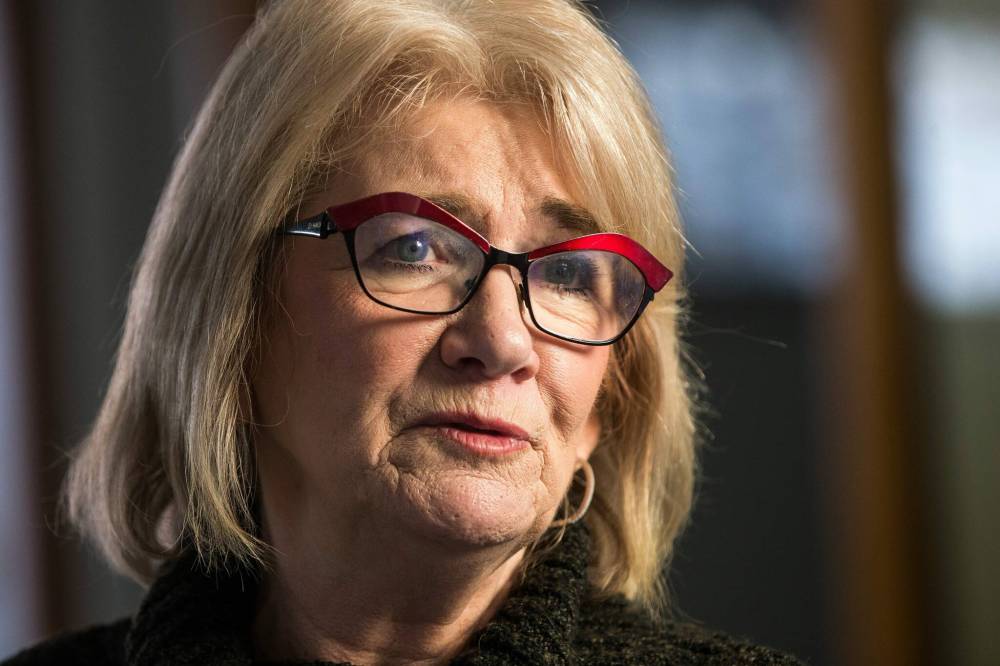
MIKAELA MACKENZIE / FREE PRESS FILES
“I know it is making a huge difference,” said Marion Willis, executive director of St. Boniface Street Links.
Willis said they’re able to support up to 20 people at a time who aren’t yet able to care for themselves.
Some residents have drug-related brain injuries, or struggle with amputations, cancer, chronic illness, mental-health issues — or have no place to go because they lost their home after being hospitalized, or didn’t have one when they were admitted.
A team that includes nurses, doctors, occupational therapists, health-care aides, administrators, volunteers and community partners make sure patients have the supports they need to help them transition back into the community, Willis said.
“These are folks who would end up in shelters or back in encampments. You don’t want them to exit the hospital and end up homeless and back in the hospital.”
In addition to Street Links’ 20 transitional beds, the province announced a 15-bed transitional care unit at Interlake-Eastern Health Services in Selkirk, 25 beds for Holy Family Personal Care Home in Winnipeg to support seniors waiting for a spot at the personal care home of their choice, and eight at the Misericordia Health Centre for seniors and other patients receiving care.
Most often, transitional beds patients are high-needs seniors waiting in hospital for admission to a care home, patients who require some level of care — such as physiotherapy — before they can be discharged, or patients who would otherwise be discharged without housing in place.
The capital cost of the 68 beds is $1.7 million, requiring $3.7 million in annual funding, Asagwara said at a Friday news conference in Selkirk. Close to half of the beds are already in place.
Selkirk’s transitional care unit — located in the renovated, former Selkirk and District General Hospital — opened July 9. It has since admitted 17 patients from hospital and discharged eight to various residences of their choice, said project manager Yvonne Oxer.
“I’m fully cognizant of the increasing age in population, the escalating demands on health-care providers and the need to improve patient flow through our regional emergency departments and acute care centres,” Oxer, who has more than 40 years of experience working in the Selkirk ER, said.
“I think it’s going to have a real positive impact — not just on Selkirk but throughout the region because we will be accepting (patients) from other facilities, as well,” said Oxer.
Willis praised the health minister for taking a team approach to solve the problem of growing ER wait times and blocked access to hospital beds.

“I think these types of initiatives can happen when we get out of our silos and partner,” Willis said.
Dr. Bruce Martin, a Street Links volunteer, said every vulnerable person cared for who’d otherwise be in a hospital is creating an opportunity for those who need acute care to get it.
“This is but the tip of the iceberg because the need is so profound for creative and meaningful solutions to the challenges we face in access,” the generalist physician said.
Progressive Conservative health critic Kathleen Cook said the NDP have been in power 10 months and still don’t have a plan to address staffing shortages. She questioned if all 68 transitional beds would be able to open and said median ER wait times have increased in Winnipeg by an hour.
carol.sanders@freepress.mb.ca
Carol Sanders
Legislature reporter
Carol Sanders is a reporter at the Free Press legislature bureau. The former general assignment reporter and copy editor joined the paper in 1997. Read more about Carol.
Every piece of reporting Carol produces is reviewed by an editing team before it is posted online or published in print — part of the Free Press‘s tradition, since 1872, of producing reliable independent journalism. Read more about Free Press’s history and mandate, and learn how our newsroom operates.
Our newsroom depends on a growing audience of readers to power our journalism. If you are not a paid reader, please consider becoming a subscriber.
Our newsroom depends on its audience of readers to power our journalism. Thank you for your support.
Carol Sanders
Legislature reporter
Carol Sanders is a reporter at the Free Press legislature bureau. The former general assignment reporter and copy editor joined the paper in 1997. Read more about Carol.
Every piece of reporting Carol produces is reviewed by an editing team before it is posted online or published in print — part of the Free Press‘s tradition, since 1872, of producing reliable independent journalism. Read more about Free Press’s history and mandate, and learn how our newsroom operates.
Our newsroom depends on a growing audience of readers to power our journalism. If you are not a paid reader, please consider becoming a subscriber.
Our newsroom depends on its audience of readers to power our journalism. Thank you for your support.
Related Articles
Sense of community in encampment: residents



Advertisement Advertise With Us
Advertisement Advertise With Us