

‘Significant failures’ in addressing Indigenous youth mental health in New Brunswick
Advertisement
Read this article for free:
or
Already have an account? Log in here »
To continue reading, please subscribe:
Monthly Digital Subscription
$0 for the first 4 weeks*
- Enjoy unlimited reading on winnipegfreepress.com
- Read the E-Edition, our digital replica newspaper
- Access News Break, our award-winning app
- Play interactive puzzles
*No charge for 4 weeks then price increases to the regular rate of $19.00 plus GST every four weeks. Offer available to new and qualified returning subscribers only. Cancel any time.
Monthly Digital Subscription
$4.75/week*
- Enjoy unlimited reading on winnipegfreepress.com
- Read the E-Edition, our digital replica newspaper
- Access News Break, our award-winning app
- Play interactive puzzles
*Billed as $19 plus GST every four weeks. Cancel any time.
To continue reading, please subscribe:
Add Free Press access to your Brandon Sun subscription for only an additional
$1 for the first 4 weeks*
*Your next subscription payment will increase by $1.00 and you will be charged $16.99 plus GST for four weeks. After four weeks, your payment will increase to $23.99 plus GST every four weeks.
Read unlimited articles for free today:
or
Already have an account? Log in here »
Hey there, time traveller!
This article was published 02/12/2024 (368 days ago), so information in it may no longer be current.
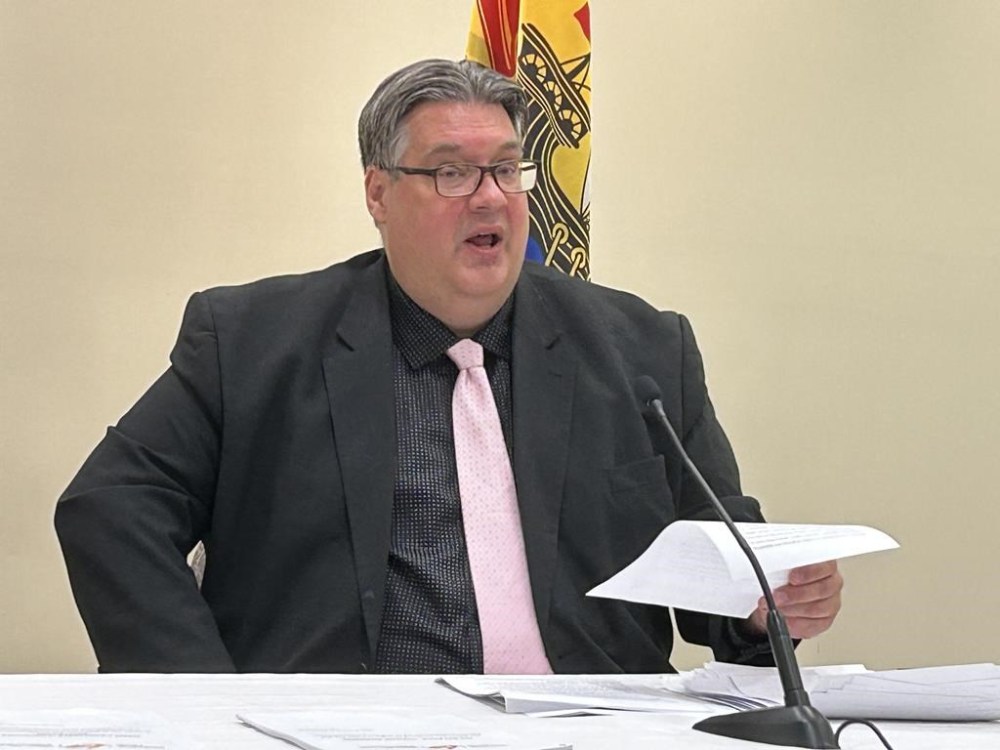
FREDERICTON – New Brunswick’s independent advocate for children, youth and seniors released a report Monday saying the province has failed to collaborate with First Nations governments to address youth mental health.
The report from Kelly Lamrock is in response to recommendations from “No Child Left Behind,” a 2021 report from the First Nations Advisory Council that included 13 calls to action aimed at addressing mental health challenges of Indigenous children and youth.
Lamrock’s followup report identifies several “significant failures” in collaboration and accountability, including a lack of recognition within the provincial government for a distinct approach for reducing rates of youth suicide and mental health emergencies in First Nations communities.
As well, the report cites delays in the formation of committees and implementation of training recommendations. And it says the province has not been transparent in showing how it is using federal funds for First Nations mental health. There is also “minimal integration” of First Nations in mental health decision-making processes, which undermine First Nations’ knowledge of their communities, the report says.
“One of the most striking observations is the lack of urgency,” Lamrock said in a statement.
“If the rates of suicide and mental health challenges we see in First Nations communities were mirrored in any other region or population, there would be an immediate outcry. Instead, there has been silence. This silence must end.”
Lamrock’s report calls on the government to allocate funds in the 2025-26 budget for First Nations mental health; set performance indicators for mental health initiatives for First Nations youth; negotiate with First Nations to create a process for managing mental health funds; and expand pilot projects with measurable outcomes and timelines.
Roxanne Sappier, chair of the First Nations Advisory Council, issued a statement saying First Nations communities need “culturally rooted, accessible mental health supports created in partnership with us, not for us.”
“The lack of meaningful action and accountability is a breach of trust and a disservice to our children. This report reinforces what we have been saying all along: urgent, collaborative action is not optional, it is essential.”
This report by The Canadian Press was first published Dec. 2, 2024.