

Uganda discharges the last Ebola patients. No new deaths from the contagious virus reported
Advertisement
Read this article for free:
or
Already have an account? Log in here »
To continue reading, please subscribe:
Monthly Digital Subscription
$1 per week for 24 weeks*
- Enjoy unlimited reading on winnipegfreepress.com
- Read the E-Edition, our digital replica newspaper
- Access News Break, our award-winning app
- Play interactive puzzles
*Billed as $4.00 plus GST every four weeks. After 24 weeks, price increases to the regular rate of $19.95 plus GST every four weeks. Offer available to new and qualified returning subscribers only. Cancel any time.
Monthly Digital Subscription
$4.99/week*
- Enjoy unlimited reading on winnipegfreepress.com
- Read the E-Edition, our digital replica newspaper
- Access News Break, our award-winning app
- Play interactive puzzles
*Billed as $19.95 plus GST every four weeks. Cancel any time.
To continue reading, please subscribe:
Add Free Press access to your Brandon Sun subscription for only an additional
$1 for the first 4 weeks*
*Your next subscription payment will increase by $1.00 and you will be charged $16.99 plus GST for four weeks. After four weeks, your payment will increase to $23.99 plus GST every four weeks.
Read unlimited articles for free today:
or
Already have an account? Log in here »
Hey there, time traveller!
This article was published 18/02/2025 (404 days ago), so information in it may no longer be current.
KAMPALA, Uganda (AP) — Uganda discharged on Tuesday the last eight patients who recovered from Ebola, health authorities reported, and there were no other positive cases in the outbreak declared last month.
World Health Organization described the recoveries as a milestone that “reflects the power of Uganda’s quick and coordinated response.”
Most of the Ebola patients were treated at the main referral facility in the Ugandan capital, Kampala.
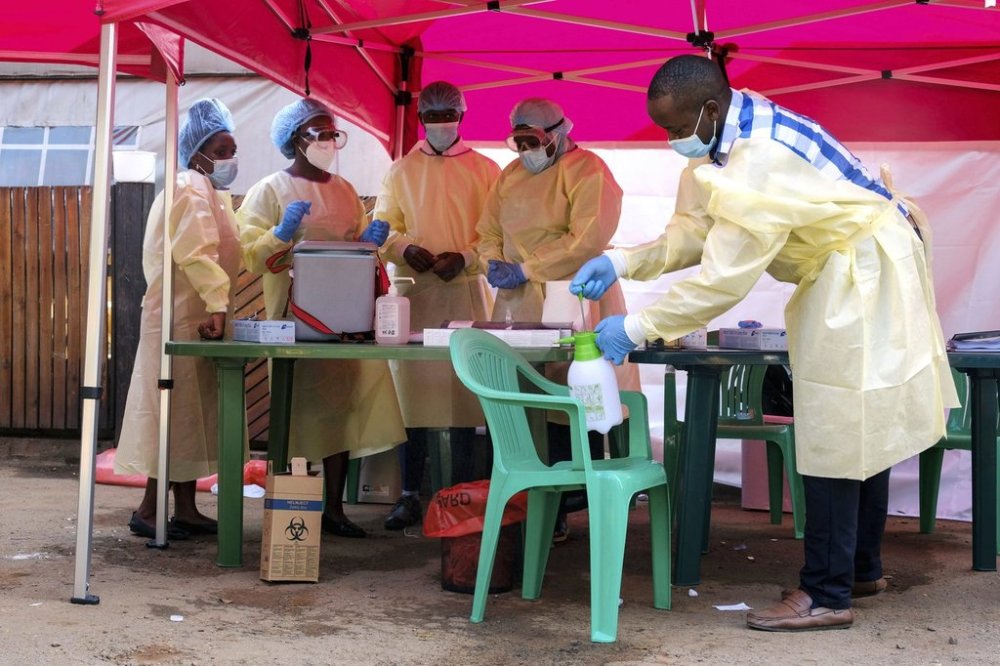
The lone Ebola victim was a male nurse who died the day before the outbreak was declared in Kampala on Jan. 30. His relatives are among those later hospitalized with Ebola.
Tracing contacts is key to stemming the spread of Ebola, which manifests as a viral hemorrhagic fever. Ugandan officials documented at least 265 contacts, and at least 90 of them have completed a period of quarantine during which they were monitored for signs of Ebola, Health Minister Jane Ruth Aceng told reporters in Kampala.
There are no approved vaccines for the Sudan strain of Ebola in Uganda’s outbreak. But authorities have launched a clinical study to further test the safety and efficacy of a trial vaccine as part of measures to stop the spread of Ebola.
The last outbreak of Ebola in Uganda, which began in September 2022, killed at least 55 people by the time it was declared over four months later.
Ebola is spread by contact with the bodily fluids of an infected person or contaminated materials. Symptoms include fever, vomiting, diarrhea, muscle pain and at times internal and external bleeding.
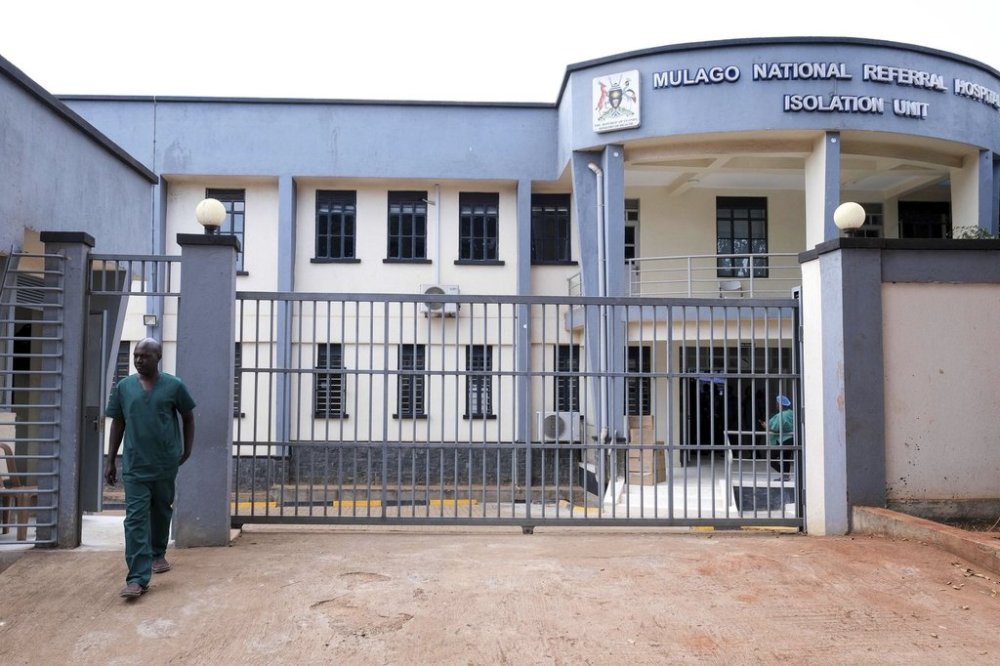
Scientists suspect that the first person infected in an Ebola outbreak acquires the virus through contact with an infected animal or eating its raw meat. Ebola was discovered in 1976 in two simultaneous outbreaks in South Sudan and Congo, where it occurred in a village near the Ebola River, after which the disease is named.