B.C. human rights commissioner says guardianship law ‘opaque,’ lacks oversight
Advertisement
Read this article for free:
or
Already have an account? Log in here »
To continue reading, please subscribe:
Digital Subscription
One year of digital access for only $1.44 a week*
- Enjoy unlimited reading on winnipegfreepress.com
- Read the E-Edition, our digital replica newspaper
- Access News Break, our award-winning app
- Play interactive puzzles
*Billed as $5.77 plus GST every four weeks. After 52 weeks, price increases to the regular rate of $19.95 plus GST every four weeks. Offer available to new and qualified returning subscribers only. Cancel any time.
To continue reading, please subscribe:
Add Free Press access to your Brandon Sun subscription for only an additional
$1 for the first 4 weeks*
- Enjoy unlimited reading on winnipegfreepress.com
- Read the E-Edition, our digital replica newspaper
- Access News Break, our award-winning app
- Play interactive puzzles
*Your next Brandon Sun subscription payment will increase by $1.00 and you will be charged $17.95 plus GST for four weeks. After four weeks, your payment will increase to $24.95 plus GST every four weeks.
Read unlimited articles for free today:
or
Already have an account? Log in here »
Hey there, time traveller!
This article was published 08/04/2025 (559 days ago), so information in it may no longer be current.
A British Columbia woman could not find her very ill spouse for three months after her loved one was detained by provincial authorities.
The province’s human rights commissioner said it’s one example of the lack of transparency in the process that detains people under B.C.’s Adult Guardianship Act, leaving families in the dark, those in care without their rights and government authorities standing on questionable legal footing.
Commissioner Kasari Govender said Tuesday that use of the act — designed for emergency situations where adults are being abused or neglected and seem incapable of giving consent — lacks transparency and people’s rights are often not considered.
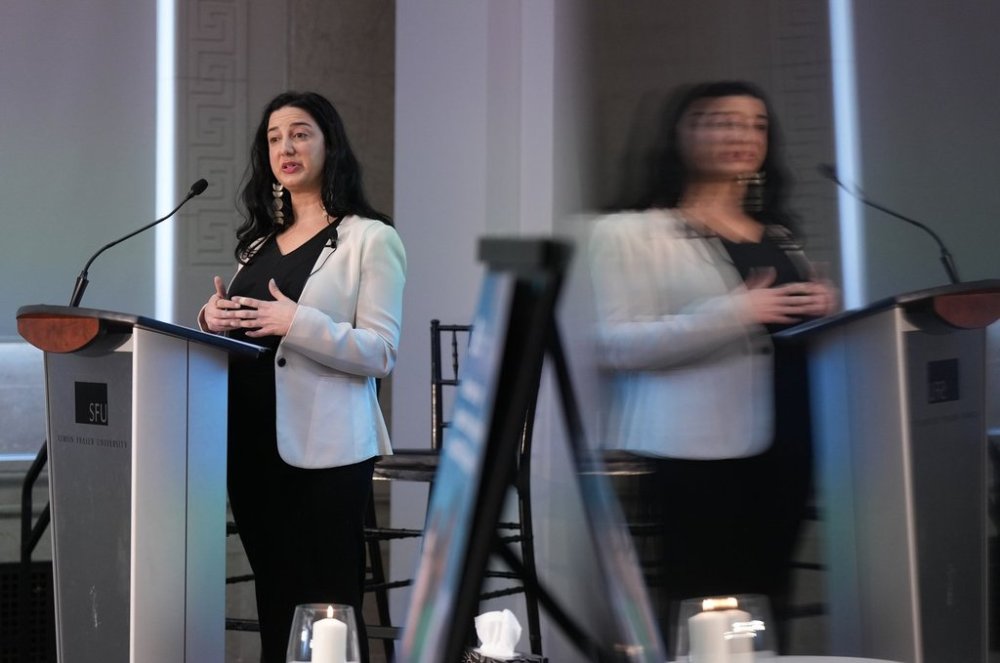
“I have found that a significant number of vulnerable adults are being detained under this act through an opaque process with very little oversight. While adults are being held for their own safety, their rights to fair process, including knowing why they are being held against their will or what they can do about it, are often denied,” she said.
“While not every detention is unlawful, many are, and the harms disproportionately and unequally fall on people with disabilities, seniors and people who are unhoused.”
Govender released her final report Tuesday following a 17-month inquiry into the use of the act.
She said health authorities and Community Living BC have used the act to detain 300 vulnerable adults in emergency situations between 2018 and September 2023, with the median length of detentions being six days and the maximum being 212 days.
The 132-page report says there’s a lack of publicly available information on how the law is administered, a tendency to restrict information and limited ability to seek independent review after a decision is made.
Govender said nothing in the law explicitly provides the right to detain someone, but that different designated bodies interpret different subsections of the act as giving them that power.
“It is worth noting that we are not aware of any other regime in Canada, not just in the adult guardianship context, but in any context, in which detention by the state is allowed without there being explicit authority, there being timelines in place and without there being oversight in place.”
She said B.C.’s approach is discriminatory, causing harms that disproportionally affect people with disabilities, who make up 94 per cent of those detained, along with seniors and homeless people.
Govender said there have been worries about the act since in came into force in 2000, adding that a working group was formed in 2021 after a B.C. Supreme Court case raised concerns, “but no action has been taken to follow up and to change the regime.”
The commissioner makes 10 recommendations to B.C.’s attorney general, the Ministry of Health and the designated agencies for change.
The Attorney General’s Ministry said in a statement that the report highlights opportunities to clarify the law and implement guidelines.
“Vulnerable people deserve to be protected, and our government is committed to providing them with the help they need, while supporting and respecting their rights to autonomy and independence,” the statement said.
It said the government has already been reviewing the legislation and agrees with the intent of the commissioner’s recommendations.
“We are exploring how best to act on them. We will provide a more specific timeline as we review the recommendations.”
Govender said the government needs to immediately stop detaining adults for longer than the duration of an emergency and ensure all detained adults receive written reasons explaining what has happened.

She said provincial regulations, policies or guidelines need to be developed to ensure rights are respect and that the legislation should be updated to clarify whether detention is allowed in emergency situations.
The report calls for mandatory training and public reporting.
“These adults deserve the protection of the state. They deserved to be listened to and for their decisions about their bodies and how they live their lives, to be respected as much as possible. They deserve to have public agencies and health-care professionals be proactive in protecting their safety,” she said.
“Not only do they deserve respect for their rights, they are in fact legally entitled to it.”
This report by The Canadian Press was first published April 8, 2025.