

Disease outbreak has killed nearly 100 deer around Grand Forks, B.C., province says
Advertisement
Read this article for free:
or
Already have an account? Log in here »
To continue reading, please subscribe:
Monthly Digital Subscription
$1 per week for 24 weeks*
- Enjoy unlimited reading on winnipegfreepress.com
- Read the E-Edition, our digital replica newspaper
- Access News Break, our award-winning app
- Play interactive puzzles
*Billed as $4.00 plus GST every four weeks. After 24 weeks, price increases to the regular rate of $19.95 plus GST every four weeks. Offer available to new and qualified returning subscribers only. Cancel any time.
Monthly Digital Subscription
$4.99/week*
- Enjoy unlimited reading on winnipegfreepress.com
- Read the E-Edition, our digital replica newspaper
- Access News Break, our award-winning app
- Play interactive puzzles
*Billed as $19.95 plus GST every four weeks. Cancel any time.
To continue reading, please subscribe:
Add Free Press access to your Brandon Sun subscription for only an additional
$1 for the first 4 weeks*
*Your next subscription payment will increase by $1.00 and you will be charged $16.99 plus GST for four weeks. After four weeks, your payment will increase to $23.99 plus GST every four weeks.
Read unlimited articles for free today:
or
Already have an account? Log in here »
GRAND FORKS – The British Columbia government has confirmed the presence of epizootic hemorrhagic disease in white-tailed deer in the Grand Forks area.
A statement from the Ministry of Water, Land and Resource Stewardship says nearly 100 deer have been found dead in the past week.
It says the province’s Animal Health Centre confirmed the diagnosis Friday after testing of collected samples.
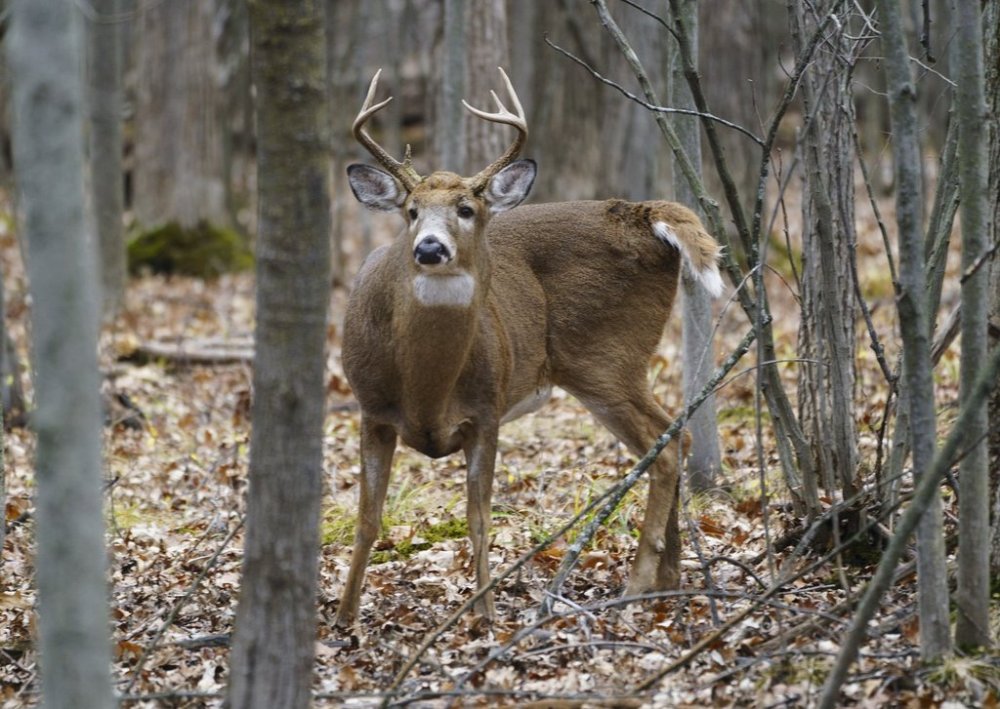
The disease is distinct from chronic wasting disease, which has been confirmed in deer around Cranbrook, B.C., prompting the province to allow local hunters to harvest one additional deer for a maximum of three during an opening in January.
The ministry says epizootic hemorrhagic disease affects white-tailed deer, mule deer and bighorn sheep, and while there is no evidence to suggest it can be transmitted to humans, eating meat from an infected animal should be avoided.
It says the disease is “part of the natural cycle” for wildlife, transmitted by small biting flies, with a government fact sheet saying outbreaks occur during hot summer weather and end “abruptly with the onset of frost.”
Anyone who sees wildlife with symptoms including weight loss, drooling, poor co-ordination or stumbling is asked to report the sighting to the province’s phone line dedicated to stopping poaching and polluting.

Six cases of chronic wasting disease have meanwhile been confirmed in Cranbrook-area deer, threatening local deer and elk populations, the province says.
This report by The Canadian Press was first published Oct. 3, 2025.