Toronto hospital to double housing program that reduces ER visits
Advertisement
Read this article for free:
or
Already have an account? Log in here »
To continue reading, please subscribe:

Digital Subscription
One year of digital access for only $205*
- Enjoy unlimited reading on winnipegfreepress.com
- Read the E-Edition, our digital replica newspaper
- Access News Break, our award-winning app
- Play interactive puzzles
*First annual payment billed as $205.00 + GST for one year. This annual subscription will automatically renew at $233.00 + GST every 52 weeks (10% off the regular annual price of $259.35). Offer available to new and qualified returning subscribers only. Cancel any time.
To continue reading, please subscribe:
Add Free Press access to your Brandon Sun subscription for only an additional
$1 for the first 4 weeks*
- Enjoy unlimited reading on winnipegfreepress.com
- Read the E-Edition, our digital replica newspaper
- Access News Break, our award-winning app
- Play interactive puzzles
*Your next Brandon Sun subscription payment will increase by $1.00 and you will be charged $17.95 plus GST for four weeks. After four weeks, your payment will increase to $24.95 plus GST every four weeks.
Read unlimited articles for free today:
or
Already have an account? Log in here »
Hey there, time traveller!
This article was published 20/01/2026 (261 days ago), so information in it may no longer be current.
TORONTO – A Toronto hospital network will double its unique permanent housing program for homeless people who frequently visit emergency departments that has seen great success.
The University Health Network will build 54 new apartments next to Dunn House, which opened in the fall of 2024 and was built in a parking lot owned by the hospital.
The federal government’s Build Canada Homes will spend $21 million to build the project while Ontario will spend $2.6 million annually to run the place, which features direct access to doctors, nurses and a host of other health professionals, while the City of Toronto will invest $10 million and lead the delivery of the new homes.
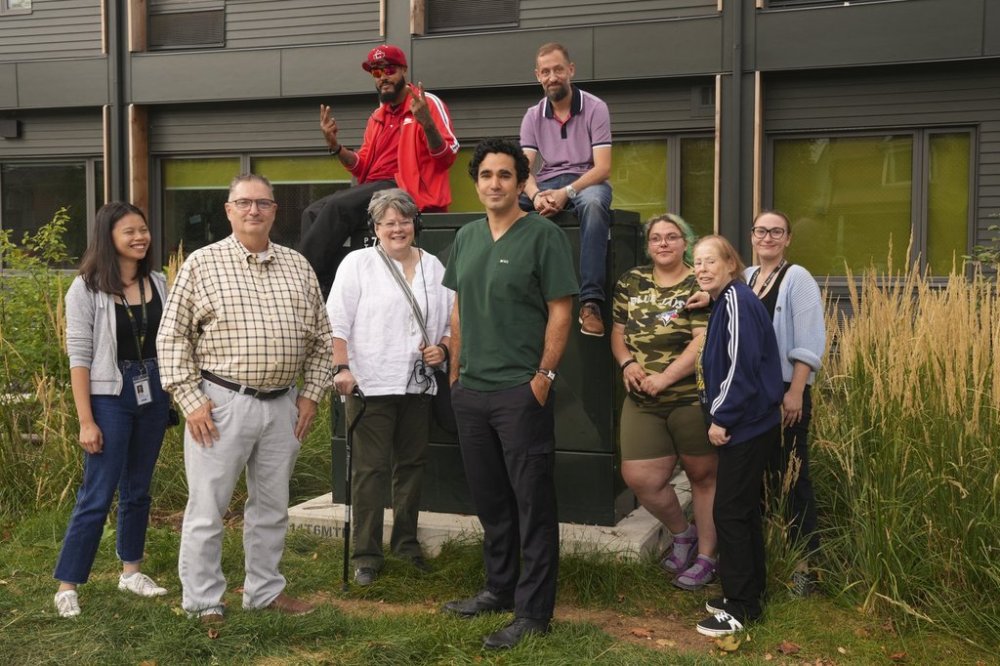
Dr. Andrew Boozary with UHN says preliminary data shows the 48 residents who live at Dunn House made nearly 2,000 visits to an ER in the year before moving in.
A year later, those same residents visited emergency rooms 52 per cent fewer times, and they also saw a 79 per cent drop in their length of stays when they were admitted.
The residents say their new homes have transformed their lives and given them hope again.

This report by The Canadian Press was first published Jan. 20, 2026.
Note to readers:This is a corrected story. A previous version said housing operator Fred Victor was involved in the project.