

N.L. premier says ‘fractured’ federal approach to pharmacare creating inequities
Advertisement
Read this article for free:
or
Already have an account? Log in here »
To continue reading, please subscribe:
Monthly Digital Subscription
$1 per week for 24 weeks*
- Enjoy unlimited reading on winnipegfreepress.com
- Read the E-Edition, our digital replica newspaper
- Access News Break, our award-winning app
- Play interactive puzzles
*Billed as $4.00 plus GST every four weeks. After 24 weeks, price increases to the regular rate of $19.95 plus GST every four weeks. Offer available to new and qualified returning subscribers only. Cancel any time.
Monthly Digital Subscription
$4.99/week*
- Enjoy unlimited reading on winnipegfreepress.com
- Read the E-Edition, our digital replica newspaper
- Access News Break, our award-winning app
- Play interactive puzzles
*Billed as $19.95 plus GST every four weeks. Cancel any time.
To continue reading, please subscribe:
Add Free Press access to your Brandon Sun subscription for only an additional
$1 for the first 4 weeks*
*Your next subscription payment will increase by $1.00 and you will be charged $16.99 plus GST for four weeks. After four weeks, your payment will increase to $23.99 plus GST every four weeks.
Read unlimited articles for free today:
or
Already have an account? Log in here »
ST. JOHN’S – The premier of Newfoundland and Labrador has written to Prime Minister Mark Carney, accusing the federal government of creating inequities through a “fractured” approach to national pharmacare, as the fate of the program appears unclear.
Tony Wakeham said his province is eager to resume negotiations with Ottawa about drug coverage. His letter dated Tuesday is the fourth he has sent to federal officials about the issue since he was elected in October, according to a press release Thursday.
Newfoundland and Labrador faces unique demographic and health challenges, including a high rate of diabetes, Wakeham wrote.
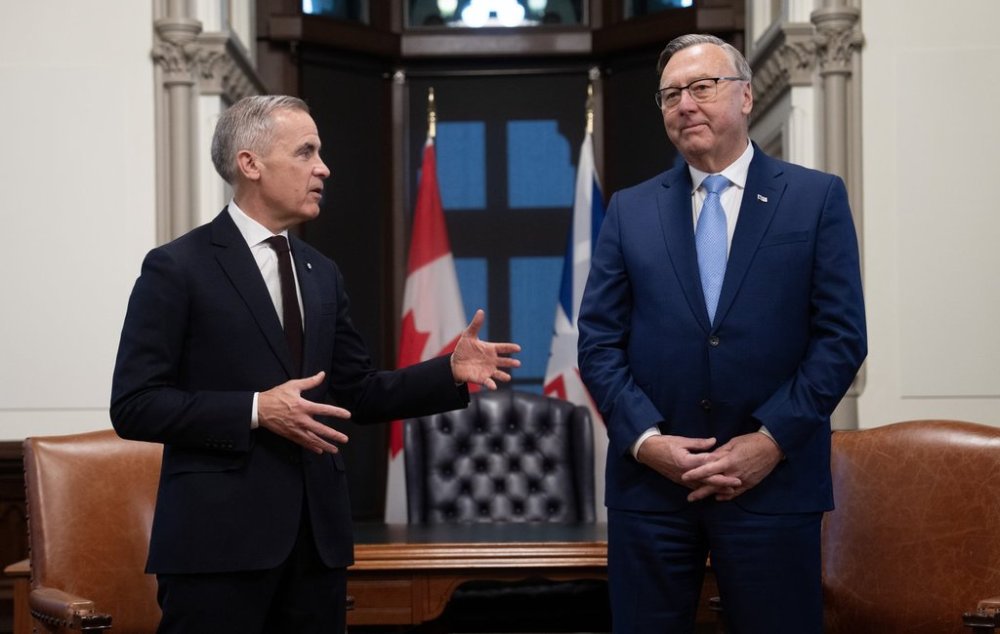
“By providing funding to only four jurisdictions and deferring engagement with the remaining provinces and territories, including Newfoundland and Labrador, the federal government has created inequities in access to essential medications across the country,” the Progressive Conservative premier said.
Canada’s previous Liberal government, under Justin Trudeau, signed pharmacare agreements with Prince Edward Island, Manitoba, British Columbia and Yukon in early 2025. But Carney’s minority Liberal government did not set aside any new funding for pharmacare in its most recent budget, despite pledging before the April election to “protect” programs like dental care and pharmacare.
Marjorie Michel, the federal health minister, is having “regular conversations with all of her counterparts,” spokesperson Emmanuelle Ducharme said in an email.
“We have a collaborative approach with all provinces and territories, including Newfoundland and Labrador, to ensure all Canadians continue to have equitable access to medically necessary care based on their medical needs, not their ability to pay,” Ducharme said.
Last week, New Brunswick Premier Susan Holt said her government is interested in signing a pharmacare deal, but Ottawa hasn’t recognized her province’s “unique realities.”
“So there’s not a lot of movement on that file,” she told reporters.
She made her remarks standing next to Ontario Premier Doug Ford. Her comments reflected his feelings on the issue “word for word, almost,” Ford said.
“We’d like to sit down and discuss it further, see what’s involved,” Ford said. “We’ll sit down with the federal minister of health and we’ll see what we can do.”
Don Davies, interim leader of the federal NDP, applauded Wakeham and his letter. Davies was involved in the negotiations that brought forward the Pharmacare Act in 2024.
He said the current Liberal government has not been clear about whether it intends to keep striking deals with provinces and territories, or whether it will simply honour the four existing agreements.

“If they don’t negotiate agreements with all the provinces and territories that want agreements, then, absolutely, it will create inequity,” Davies said, referring to Wakeham’s comments.
Davies pointed to Carney’s frequent emphasis on encouraging “nation-building” projects.
National pharmacare, he said, is a nation-building project.
“It’s good for health, it’s good for our economy, it’s good for our sovereignty,” he said.
This report by The Canadian Press was first published Feb. 5, 2026.