

Mississippi hospital system closes all clinics after ransomware attack
Advertisement
Read this article for free:
or
Already have an account? Log in here »
To continue reading, please subscribe:
Monthly Digital Subscription
$1 per week for 24 weeks*
- Enjoy unlimited reading on winnipegfreepress.com
- Read the E-Edition, our digital replica newspaper
- Access News Break, our award-winning app
- Play interactive puzzles
*Billed as $4.00 plus GST every four weeks. After 24 weeks, price increases to the regular rate of $19.95 plus GST every four weeks. Offer available to new and qualified returning subscribers only. Cancel any time.
Monthly Digital Subscription
$4.99/week*
- Enjoy unlimited reading on winnipegfreepress.com
- Read the E-Edition, our digital replica newspaper
- Access News Break, our award-winning app
- Play interactive puzzles
*Billed as $19.95 plus GST every four weeks. Cancel any time.
To continue reading, please subscribe:
Add Free Press access to your Brandon Sun subscription for only an additional
$1 for the first 4 weeks*
*Your next subscription payment will increase by $1.00 and you will be charged $16.99 plus GST for four weeks. After four weeks, your payment will increase to $23.99 plus GST every four weeks.
Read unlimited articles for free today:
or
Already have an account? Log in here »
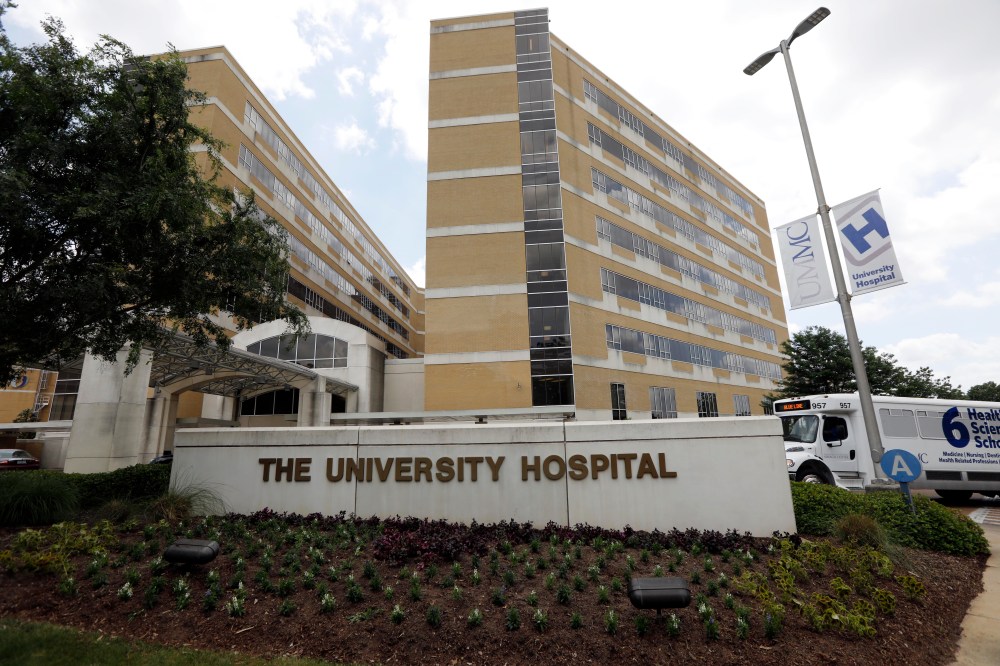
JACKSON, Miss. (AP) — A ransomware attack forced the University of Mississippi Medical Center to close all of its roughly three dozen clinics around the state and cancel elective procedures for a second day on Friday, hobbling one of the state’s largest health care providers.
University officials warned that the shutdown could continue for days as they try to evaluate the extent of the attack, including whether patients’ sensitive information was compromised, and restore network systems they took down as a precaution.
Richard Bell, 55, drove three hours from his home in Oxford the medical center’s main campus in Jackson on Friday only to learn that he wouldn’t be able to get his bloodwork or chemotherapy treatment.
“It was all shut down,” Bell said. “It gets pretty frustrating.”
Bell, who has a form of lymphoma, wasn’t immediately able to reschedule the appointment. University officials said in a statement on Friday they were reaching out to patients who require time-sensitive treatments such as chemotherapy.
Hospitals and emergency rooms remained open, and patients there were receiving proper care, the university said in the statement. Officials were still trying to figure out the extent of the infiltration, but Vice Chancellor LouAnn Woodward said at a news conference Thursday the attack affected “many systems,” including the electronic health record platform. Health care providers were taking down information manually.
“Some of us in the room have been here long enough that we remember taking care of patients with pen and paper,” she said.
Investigators are trying to determine whether patients’ private information was accessed, Woodward said.
She said the attackers had communicated with the university, but she did not disclose their demands. The university is working with the FBI.
The FBI’s top priority is getting systems back up to restore patient care, FBI Special Agent in Charge Robert Eikhoff said at Thursday’s news conference. The agency’s Jackson office said Friday that it couldn’t comment further.
Ransomware attacks against public schools and agencies have proliferated in recent years. They have shutdown 911 dispatch functions and exposed sensitive student data, among other harms.