

Saskatchewan government passes law forcing drug treatment for those with addictions
Advertisement
Read this article for free:
or
Already have an account? Log in here »
To continue reading, please subscribe:
Digital Subscription
One year of digital access for only $1.44 a week*
- Enjoy unlimited reading on winnipegfreepress.com
- Read the E-Edition, our digital replica newspaper
- Access News Break, our award-winning app
- Play interactive puzzles
*Billed as $5.77 plus GST every four weeks. After 52 weeks, price increases to the regular rate of $19.95 plus GST every four weeks. Offer available to new and qualified returning subscribers only. Cancel any time.
To continue reading, please subscribe:
Add Free Press access to your Brandon Sun subscription for only an additional
$1 for the first 4 weeks*
- Enjoy unlimited reading on winnipegfreepress.com
- Read the E-Edition, our digital replica newspaper
- Access News Break, our award-winning app
- Play interactive puzzles
*Your next Brandon Sun subscription payment will increase by $1.00 and you will be charged $17.95 plus GST for four weeks. After four weeks, your payment will increase to $24.95 plus GST every four weeks.
Read unlimited articles for free today:
or
Already have an account? Log in here »
REGINA – Saskatchewan’s government has passed a law that can force drug treatment on those battling drug addiction.
Addictions Minister Lori Carr says the province still needs to develop regulations and that there is no timeline on when involuntary treatment services would begin.
The legislation passed with Premier Scott Moe’s Saskatchewan Party government holding the majority vote.
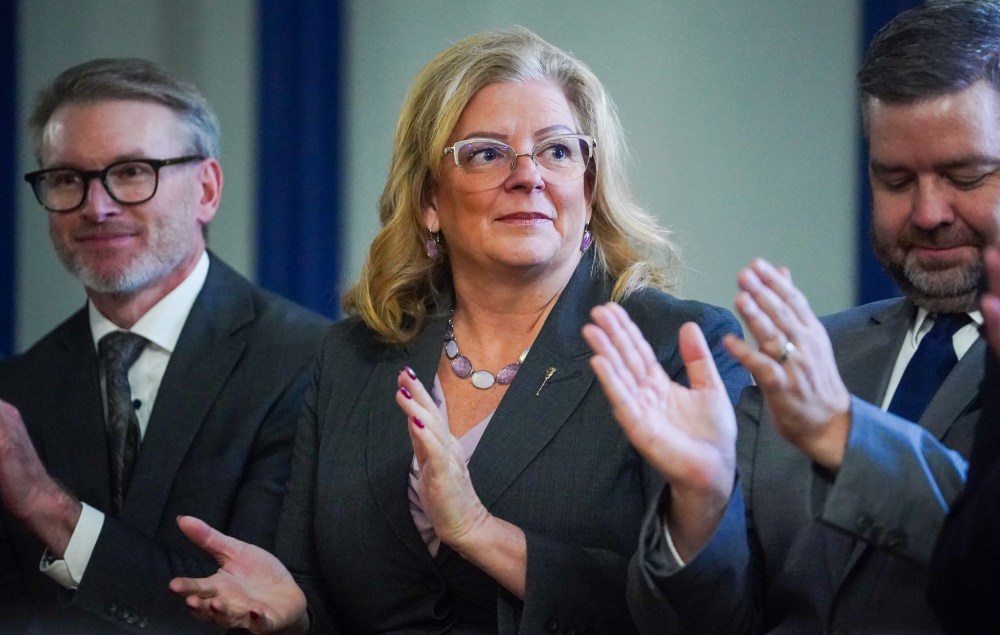
The Opposition NDP voted against the bill, with leader Carla Beck arguing the province didn’t put enough protections in place.
She says rights shouldn’t be violated and involuntary treatment should only be a last resort.
Carr says those admitted into forced treatment would be provided legal representation throughout all stages of their assessment.
“We have individuals who are a harm to themselves, harm to others (and) don’t have the capacity to actually make that decision to get treatment that they need,” Carr told reporters Tuesday.
“We’re hoping through this process, we can truly get individuals that don’t have that capacity the help that they need.”
This report by The Canadian Press was first published May 5, 2026.