Health officials issue rabies warning after skunk tests positive in B.C. Interior
Advertisement
Read this article for free:
or
Already have an account? Log in here »
To continue reading, please subscribe:

Digital Subscription
One year of digital access for only $205*
- Enjoy unlimited reading on winnipegfreepress.com
- Read the E-Edition, our digital replica newspaper
- Access News Break, our award-winning app
- Play interactive puzzles
*First annual payment billed as $205.00 + GST for one year. This annual subscription will automatically renew at $233.00 + GST every 52 weeks (10% off the regular annual price of $259.35). Offer available to new and qualified returning subscribers only. Cancel any time.
To continue reading, please subscribe:
Add Free Press access to your Brandon Sun subscription for only an additional
$1 for the first 4 weeks*
- Enjoy unlimited reading on winnipegfreepress.com
- Read the E-Edition, our digital replica newspaper
- Access News Break, our award-winning app
- Play interactive puzzles
*Your next Brandon Sun subscription payment will increase by $1.00 and you will be charged $17.95 plus GST for four weeks. After four weeks, your payment will increase to $24.95 plus GST every four weeks.
Read unlimited articles for free today:
or
Already have an account? Log in here »
VANCOUVER – Health officials have issued warnings in the southeastern corner of the B.C. Interior after a skunk tested positive for rabies.
Interior Health says the skunk in the Kootenay Lake region is believed to have been infectious between Aug. 15 and Sept. 4.
The confirmation of rabies came from Interior Health and the B.C. Centre for Disease Control on Thursday.
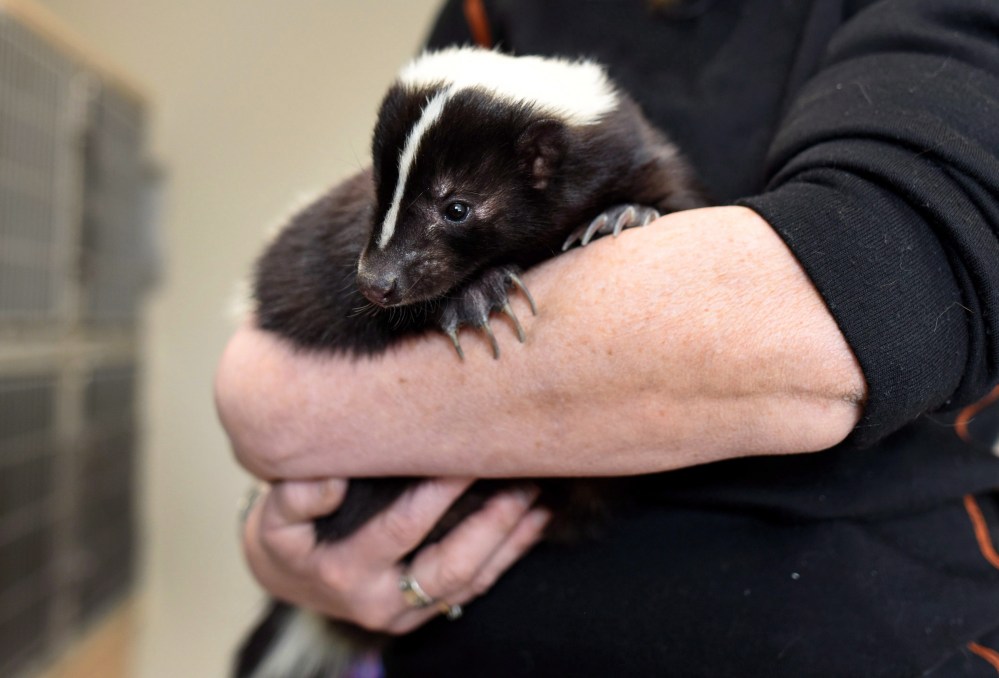
Interior Health says interactions with skunks are extremely rare but officials have assessed and tested a small number of individuals who may have been exposed.
The health authority is warning anyone who had contact with a skunk in the area to get an assessment.
Rabies is a fatal viral infection affecting the central nervous system, and the virus is usually spread through a bite or, less commonly, a scratch from an infected animal.
The virus is not transmitted through exposure to an infected skunk’s spray, urine or feces.
Bats are the only known reservoirs of rabies, meaning they can carry it and pass it on without showing signs of the disease.
The last human case of rabies in B.C. was in 2019, when a Vancouver Island man died.
Officials say death is preventable when vaccines are administrated promptly after exposure.
This report by The Canadian Press was first published Sept. 21, 2026.