

New year, same old you
An arbitrary date isn't the key to crushing goals, but creating better habits is possible

Advertisement
Read this article for free:
or
Already have an account? Log in here »
To continue reading, please subscribe:
Monthly Digital Subscription
$1 per week for 24 weeks*
- Enjoy unlimited reading on winnipegfreepress.com
- Read the E-Edition, our digital replica newspaper
- Access News Break, our award-winning app
- Play interactive puzzles
*Billed as $4.00 plus GST every four weeks. After 24 weeks, price increases to the regular rate of $19.95 plus GST every four weeks. Offer available to new and qualified returning subscribers only. Cancel any time.
Monthly Digital Subscription
$4.99/week*
- Enjoy unlimited reading on winnipegfreepress.com
- Read the E-Edition, our digital replica newspaper
- Access News Break, our award-winning app
- Play interactive puzzles
*Billed as $19.95 plus GST every four weeks. Cancel any time.
To continue reading, please subscribe:
Add Free Press access to your Brandon Sun subscription for only an additional
$1 for the first 4 weeks*
*Your next subscription payment will increase by $1.00 and you will be charged $16.99 plus GST for four weeks. After four weeks, your payment will increase to $23.99 plus GST every four weeks.
Read unlimited articles for free today:
or
Already have an account? Log in here »
Hey there, time traveller!
This article was published 13/01/2020 (2261 days ago), so information in it may no longer be current.
When it comes to setting goals you want to crush — whether it’s going to the gym, eating healthier or getting more sleep — the new year always feels like a good opportunity to set a resolution and finally make it happen.
But is your New Year’s resolution already a flop just a couple of weeks into 2020? Not to worry. You’ve got plenty of company.
According to a 2015 Ipsos poll, three in 10 Canadians set New Year’s resolutions, and among those who do, 73 per cent eventually break them.

Jan. 1 isn’t necessarily the key to goal-crushing success that we’ve built it up to be. The reason? When you decide to pursue a goal and take action based on a date rather than when you’re ready, you could be setting yourself up for failure.
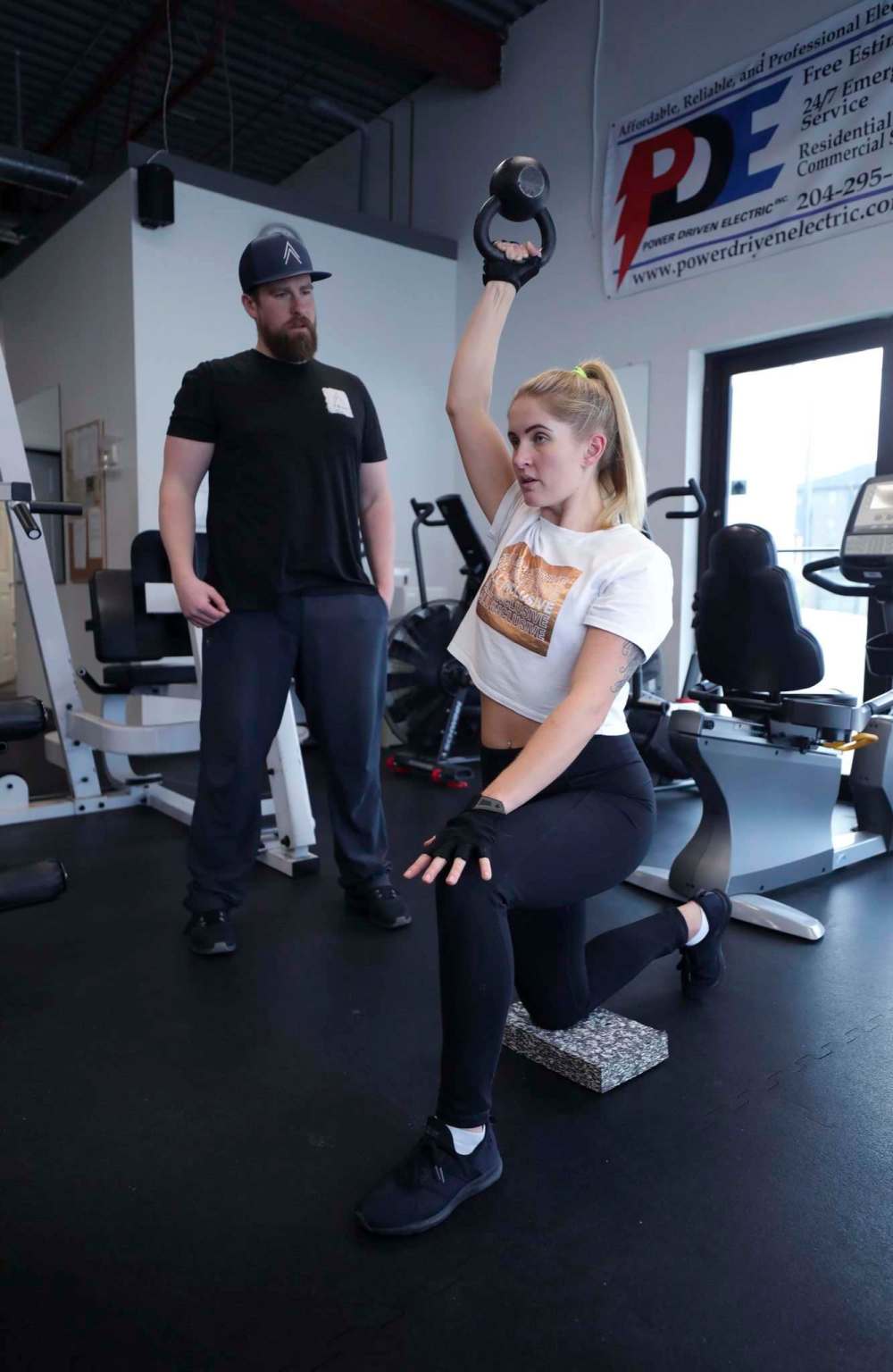
“Making goals in the new year has always been customary with that ‘new year, new you’ mentality, when, in all reality, it’s the same you but you just need to start building different habits that positively reflect your goals,” says Jeff Kearns, owner and head coach of True Strength and Conditioning in Winnipeg.
So, a new calendar year may not be the best time to make a life change, but don’t let that discourage you.
“If it takes a resolution to get you on track then I don’t see anything wrong with creating that New Year’s aspect to it,” says Kearns. “Create a goal and stay consistent. It’s going to be challenging, but you made a goal so putting in the work seems worthwhile to me.”
Your goals should be smart — and SMART. That’s an acronym coined by the journal Management Review in 1981 for specific, measurable, achievable, relevant and time-bound. It works for management and can be useful in setting your health-related resolutions, too.
Some of the biggest mistakes people make are setting goals that are too broad or too big. Making a resolution to “exercise more” or “sleep better” is too general and doesn’t give you something specific to work towards or a well-defined path to follow. Similarly, if you want to be more physically fit but haven’t been to the gym in two years, setting a goal to run a marathon might not be feasible.
Instead, set a clearly defined, modest goal that you have a realistic chance of achieving — and one that’s meaningful, too. And then commit to it. And remember, if it’s worth doing, it’s worth measuring.
“Don’t make extravagant goals that you don’t have the ability to follow through on. Start with a small goal that actually means something to you,” says Kearns. “Create a measurable goal and something that’s not subjective, like lifting a certain amount of weight or running a specific distance in a particular amount of time.”
And try not to take on too much too soon — making a big change to your routine can be daunting. If you already have a busy life and are trying to suddenly add in five trips to the gym every week, you can easily get overwhelmed, says Shaelyn Strachan, an associate professor at the University of Manitoba who focuses on exercise and health psychology.
“Though it may seem painfully slow, taking baby steps can prevent the overwhelm,” she says. “You may know that your end goal is to exercise five times per week, but maybe for now you just go to the gym once or twice until you get the hang of it.”
When making a goal, people tend to choose something they don’t enjoy doing. That means we’re unlikely to stick with something that’s not inherently rewarding in some way.
So, pick something you like to do.
“We often equate exercise with what can be monotonous activities like walking on a treadmill,” she says. “Reflect on what physical activities you have enjoyed in the past and try to make that part of your workout plan — or sample different things until you find something you do enjoy.”
If you have to do something that has the potential to feel a little tedious, try to insert something enjoyable into the activity.
“(Try) walking with a friend who you enjoy chatting with or reserving an exciting podcast or audiobook to only be listened to when you are walking,” Strachan says. “The key here is to inject the enjoyable aspect right into the activity so that you come to associate the activity with enjoyment.”
The next step: make a plan. How does your goal incorporate with the structure of your life? Work, relationships, kids, lifestyle — how will you fit it all in?
“Write your goal down and hold yourself accountable. Plan for something that is attainable for your lifestyle,” Kearns says. “We all get 24 hours in a day but everybody’s 24 hours are different. Make it work for you.”
And just as change is made up of small victories, it also includes minor setbacks. No matter how hard you work, you will fail to achieve goals from time to time. Don’t worry, it happens to everyone. But it’s important to recognize that failure is part of the behaviour-change process.
“Once (people) have the first instance of breaking their resolution, they see it as a sign that they did not reach their goal and they may give up altogether rather than seeing it as a setback they can address,” Strachan says.
Each time we fail, we learn more about ourselves and what strategies worked and what didn’t. Reflect, pick yourself up and try again.
“Behaviour change is all about beginning again,” Strachan says. “The goal is usually to adopt a behaviour permanently, but in real life, permanent change without setbacks is rare. To approach a more permanent behaviour pattern, it is helpful for people to change their relationship with failure.”
The way we interpret setbacks when they happen is important. Perhaps the worst thing you can do is criticize yourself.
“Being understanding and accepting of one’s foibles, dusting ourselves off, taking stock of what we need to do differently and beginning again — that’s the key,” Strachan says. “Researchers have established that this approach to setbacks is a superior way to respond when we fail or falter rather than being self-critical.”
And if something isn’t working, make adjustments.
“If you fail trying to stick to a zero-sweets policy, maybe that plan is too restrictive for you,” she says. “If it is just too hard to muster the motivation to exercise alone in your basement on a treadmill, maybe you need to find something more enjoyable that you want to come back to.”
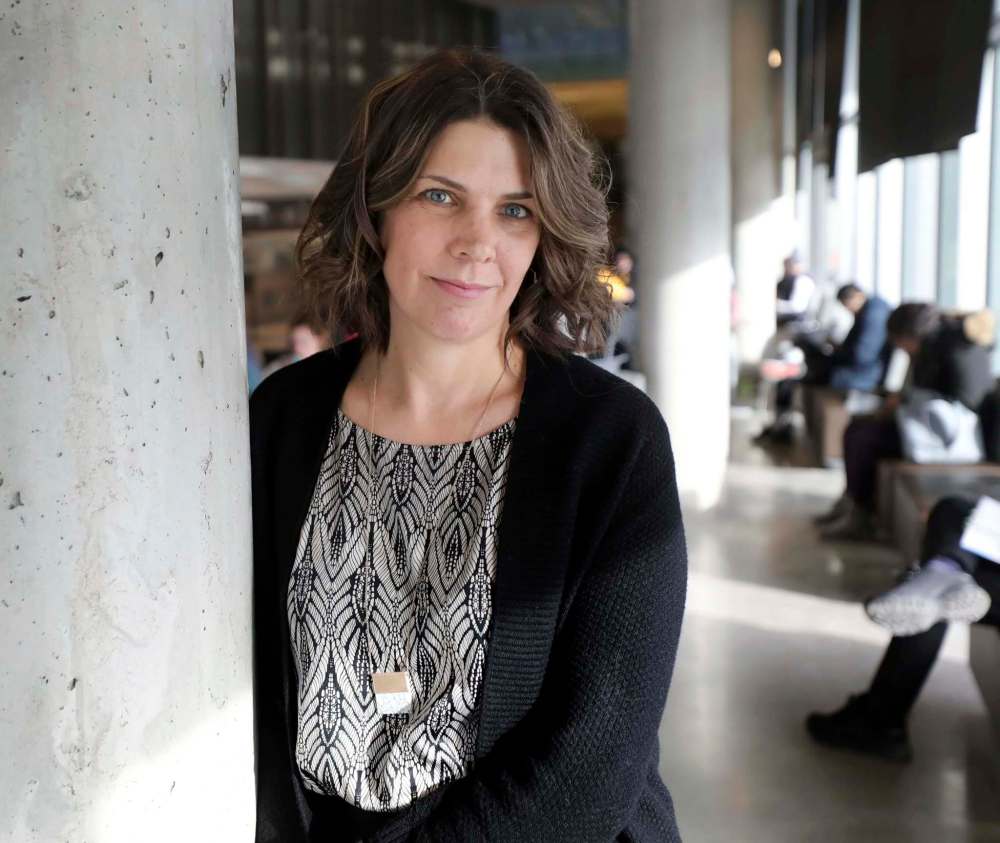
The lesson here, Strachan explains, is that it’s unlikely we’re going to get it right the first time. So, you probably need to try different strategies and approaches.
Success doesn’t happen in a straight line, so give yourself time and room to zig-zag. It can also be helpful to take note of the benefits you get from physical activity, like reduced stress, feelings of accomplishment or even better sleep.
“Pay attention to how you feel and try to find something positive,” says Strachan. “There is usually some benefit even in the short-term and being mindful of this can help remind us why we should come back to the activity in the future.”
A 2009 study in the European Journal of Social Psychology found it takes an average of 66 days for a new behaviour to become automatic. So, treat that time like a class — take notes and do your research. Try to see yourself as a person who is engaging in the behaviour you’re trying to change.

“If you want to become a physically active person, don’t just engage in physical activity. Read books about it, tell people about your physical activity, listen to podcasts about it, sign up for physical activity events and hang out with other people who do the activity,” says Strachan. “The extent to which the behaviour becomes incorporated into your life is one of the key determinants of sustained behaviour change.”
You don’t need a new year to make healthy changes — you can make them at any time. But New Year’s is an opportunity to think about the improvements you’d like to make and then take concrete steps to achieve them.
And if you stumble when trying to reach your goal, be kind to yourself. Although long-term change isn’t easy, it is possible.
sabrinacarnevale@gmail.com
@sabrinacsays
Sabrina Carnevale is a freelance writer and communications specialist, and former reporter and broadcaster who is a health enthusiast. She writes a twice-monthly column focusing on wellness and fitness.
Our newsroom depends on a growing audience of readers to power our journalism. If you are not a paid reader, please consider becoming a subscriber.
Our newsroom depends on its audience of readers to power our journalism. Thank you for your support.
Sabrina Carnevale is a freelance writer and communications specialist, and former reporter and broadcaster who is a health enthusiast. She writes a twice-monthly column focusing on wellness and fitness.
Our newsroom depends on a growing audience of readers to power our journalism. If you are not a paid reader, please consider becoming a subscriber.
Our newsroom depends on its audience of readers to power our journalism. Thank you for your support.
Advertisement Advertise With Us
Advertisement Advertise With Us