Pandemic places public health experts on centre-stage
Advertisement
Read this article for free:
or
Already have an account? Log in here »
To continue reading, please subscribe:

Digital Subscription
One year of digital access for only $205*
- Enjoy unlimited reading on winnipegfreepress.com
- Read the E-Edition, our digital replica newspaper
- Access News Break, our award-winning app
- Play interactive puzzles
*First annual payment billed as $205.00 + GST for one year. This annual subscription will automatically renew at $233.00 + GST every 52 weeks (10% off the regular annual price of $259.35). Offer available to new and qualified returning subscribers only. Cancel any time.
To continue reading, please subscribe:
Add Free Press access to your Brandon Sun subscription for only an additional
$1 for the first 4 weeks*
- Enjoy unlimited reading on winnipegfreepress.com
- Read the E-Edition, our digital replica newspaper
- Access News Break, our award-winning app
- Play interactive puzzles
*Your next Brandon Sun subscription payment will increase by $1.00 and you will be charged $17.95 plus GST for four weeks. After four weeks, your payment will increase to $24.95 plus GST every four weeks.
Read unlimited articles for free today:
or
Already have an account? Log in here »
Hey there, time traveller!
This article was published 09/08/2021 (1866 days ago), so information in it may no longer be current.
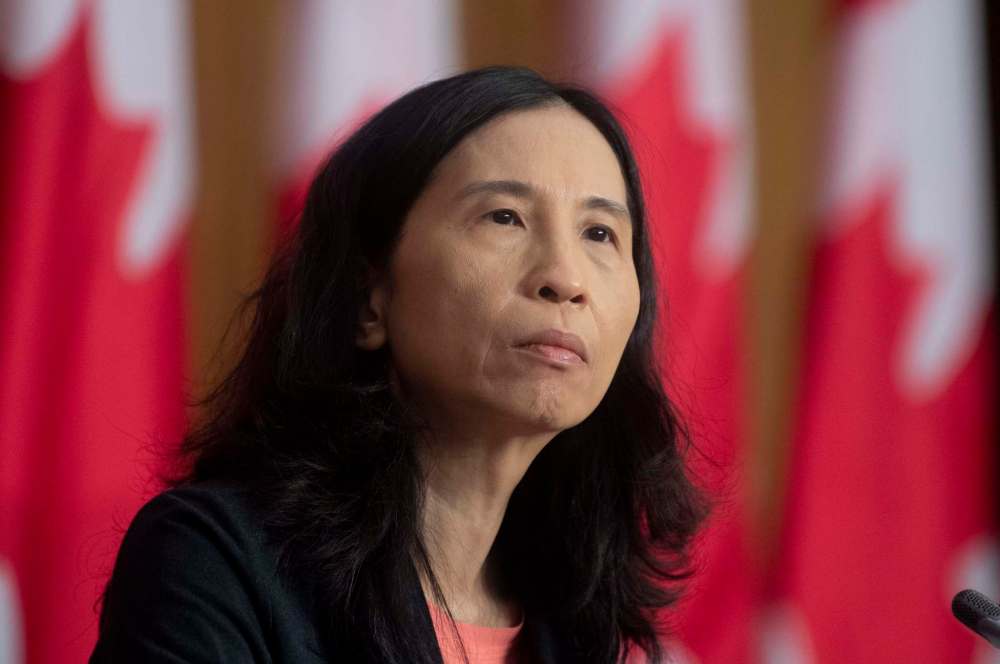
Throughout the COVID-19 pandemic, public health physicians have been brought to the front of the stage regionally, nationally, and across the world. Once largely unknown by the people they serve, public health physicians such as doctors Theresa Tam, Brent Roussin, and Bonnie Henry have become household names providing expertise, steadfast leadership, and calm guidance throughout this public health crisis.
Though they’ve been thrust into the public spotlight during the current pandemic, this highly-trained group of physicians has been working hard behind the scenes throughout their careers to help improve the health of populations.
Public health physicians and Medical Officers of Health are medical experts trained to understand health issues at a systemic level. Seeing the whole population as our patient, we rely on epidemiology (the method used to find the causes of health outcomes and diseases in populations) and surveillance data to help prevent disease and promote health at a societal level. Similar to how a family physician prescribes medication and counsel to a patient at an individual level, public health physicians recommend specific policies, program development, approaches to population health, and engagement in public communication and education.
With so many aspects to community health, the field of public health is as varied as it is vital. Whether working on climate change, active transportation, preventing syphilis or pandemic preparedness, public health physicians can work as generalists or specialists across a diverse array of work. This spans communicable diseases, chronic disease prevention and health promotion, to environmental health and emergency and disaster management.
Vulnerable populations are another focus for public health physicians. These structurally-disadvantaged populations include people with addictions, impermanent housing, street involvement, as well as immigrant, refugee, and indigenous populations. Many public health physicians in Canada choose to maintain a clinical practice ranging from family medicine to travel health and hospital medicine to stay connected to front-line patient care and inform work on policy and programming.
Among the most meaningful parts of this work is the ability to distill complex health topics in a way that is both easy for the public to understand and motivates behavior change.
Similarly, public health physicians must be adept in using their medical expertise to inform and influence decision makers and stakeholders in pursuit of health policy that better addresses underlying social determinants of health and the root causes of population health challenges.

Throughout the COVID-19 pandemic, all levels of government have been under extreme pressure from different segments of the population to respond to the crisis in different ways — whether it be adding or eliminating restrictions, or changing how and when vaccines are distributed. That pressure is not always generated with respect to the evidence at hand, and as a result, public health physicians have had the responsibility to be a source of calm, evidence-based guidance and consultation in challenging and often confusing times.
Public health has changed during every pandemic. The Severe Acute Respiratory Syndrome (SARS) pandemic of 2003, for example, led to the creation of the Public Health Agency of Canada in 2004, providing Canada with a unifying workforce across provinces to better anticipate and respond to public health threats.
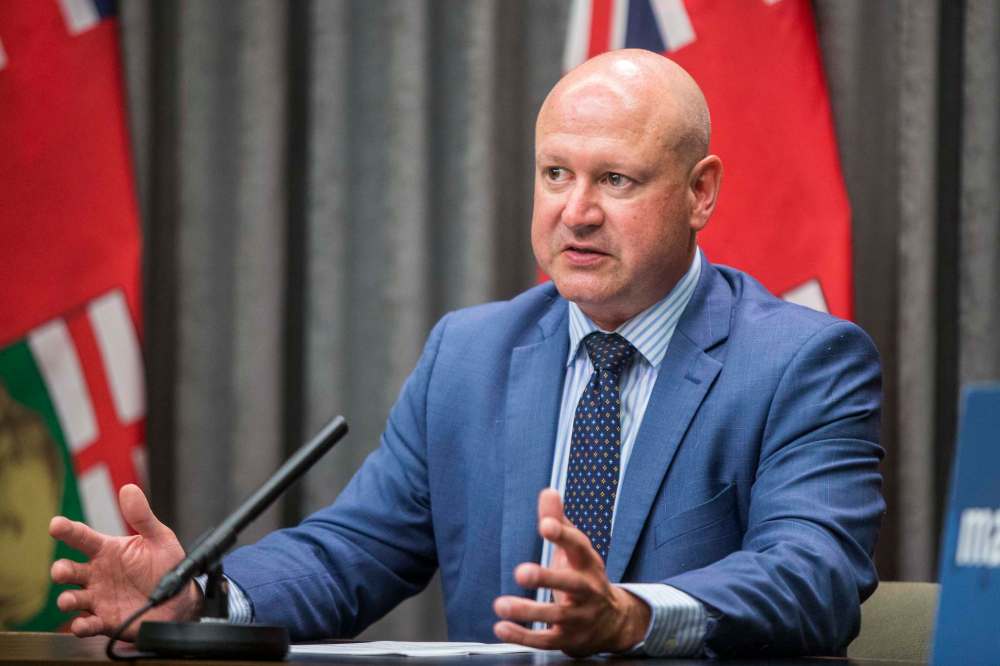
The COVID-19 pandemic has brought change of its own, including magnifying the impact of health inequities, recognizing the interdependence between economics and healthy communities, and an accelerated and widespread application of virtual care.
If pandemics both past and present have taught us anything, it is that creating healthy communities requires an ongoing investment in, and commitment to, public health. As we work to draw the curtain on COVID-19 and look into the future, it remains to be seen if factors such as the rise of antimicrobial resistance, climate change, and how interconnected our world is in global pandemic response will give rise to a greater appreciation of the importance of supporting public health efforts.
Dr. Lerly Luo is a public health and family medicine resident physician with the Winnipeg Regional Health Authority.
Related Articles
It seems the COVID-19 fight is now up to us
Advertisement Advertise With Us
Advertisement Advertise With Us