WHO: Europe is the epicenter of pandemic despite vaccines
Advertisement
Read this article for free:
or
Already have an account? Log in here »
To continue reading, please subscribe:

Digital Subscription
One year of digital access for only $205*
- Enjoy unlimited reading on winnipegfreepress.com
- Read the E-Edition, our digital replica newspaper
- Access News Break, our award-winning app
- Play interactive puzzles
*First annual payment billed as $205.00 + GST for one year. This annual subscription will automatically renew at $233.00 + GST every 52 weeks (10% off the regular annual price of $259.35). Offer available to new and qualified returning subscribers only. Cancel any time.
To continue reading, please subscribe:
Add Free Press access to your Brandon Sun subscription for only an additional
$1 for the first 4 weeks*
- Enjoy unlimited reading on winnipegfreepress.com
- Read the E-Edition, our digital replica newspaper
- Access News Break, our award-winning app
- Play interactive puzzles
*Your next Brandon Sun subscription payment will increase by $1.00 and you will be charged $17.95 plus GST for four weeks. After four weeks, your payment will increase to $24.95 plus GST every four weeks.
Read unlimited articles for free today:
or
Already have an account? Log in here »
Hey there, time traveller!
This article was published 04/11/2021 (1778 days ago), so information in it may no longer be current.
GENEVA (AP) — Top officials at the World Health Organization said Thursday that Europe has seen a more than 50% jump in coronavirus cases in the last month, making it the epicenter of the pandemic despite an ample supply of vaccines.
“There may be plenty of vaccine available, but uptake of vaccine has not been equal,” WHO emergencies chief Dr. Michael Ryan said during a press briefing on Thursday.
He called for European authorities to “close the gap” in vaccinations. However, WHO Director-General Tedros Adhanom Ghebreyesus said countries that have immunized more than 40% of their populations should stop and instead donate their doses to developing countries that have yet to offer their citizens a first dose.
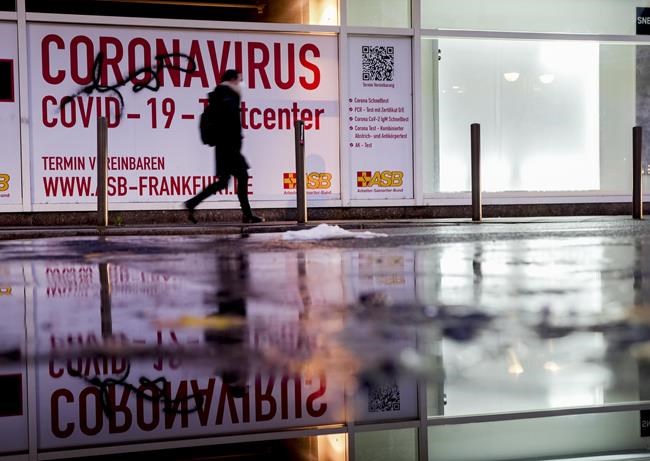
“No more boosters should be administered except to immuno-compromised people,” Tedros said.
He called for vaccine-makers to prioritize supplying COVAX, the U.N.-backed effort to share doses globally; Pfizer has sold just 1% of its supply to COVAX, Moderna had provided just 1 million doses to the developing world as of late October.
Still, despite poorer countries receiving fewer than 1% of the world’s COVID-19 vaccines, cases in Africa and Southeast Asia fell by 9% last week.
More than 60 countries have started giving booster doses to combat waning immunity before winter, when another COVID-19 wave is expected. In the United States, children ages 5 to 11 started getting COVID-19 shots this week after authorities decided the benefits outweighed the risks.
Earlier on Thursday, the director of WHO’s 53-country Europe region, Dr. Hans Kluge, said the rising COVID-19 case counts are of “grave concern.”
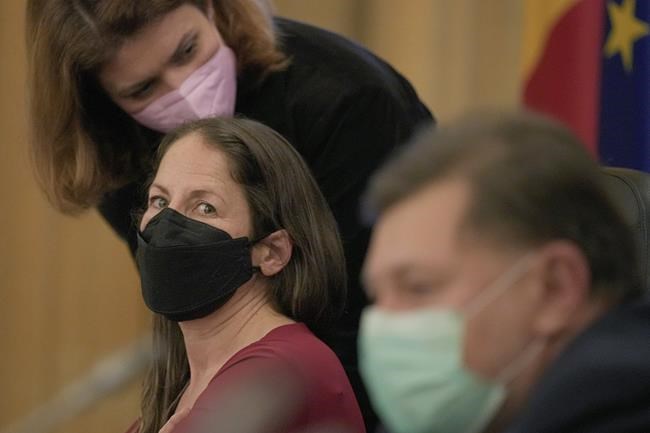
“Europe is back at the epicenter of the pandemic, where we were one year ago,” said Kluge from WHO’s Copenhagen offices. Wearing a mask – —unlike his colleagues in Geneva – Kluge warned that coronavirus hospitalization rates more than doubled in the last week and predicted that on that trajectory, the region could see another 500,000 pandemic deaths by February, he said.
WHO Europe says the region, which stretches as far east as the former Soviet republics in Central Asia, tallied nearly 1.8 million new weekly cases, an increase of about 6% from the previous week, and 24,000 COVID-19 weekly deaths — a 12% gain.
Kluge said the countries in the region were at “varying stages of vaccination rollout” and that regionwide an average of 47% of people were fully vaccinated. Only eight countries had 70% of their populations fully vaccinated.
The increase in Europe’s COVID-19 marks the fifth consecutive week cases have risen across the continent, making it the only world region where COVID-19 is still increasing. The infection rate was by far the highest in Europe, which reported some 192 new cases per 100,000 people.
“We are clearly in another wave,” Sweden’s chief epidemiologist, Anders Tegnell, said Thursday. “The increased spread is entirely concentrated in Europe.”
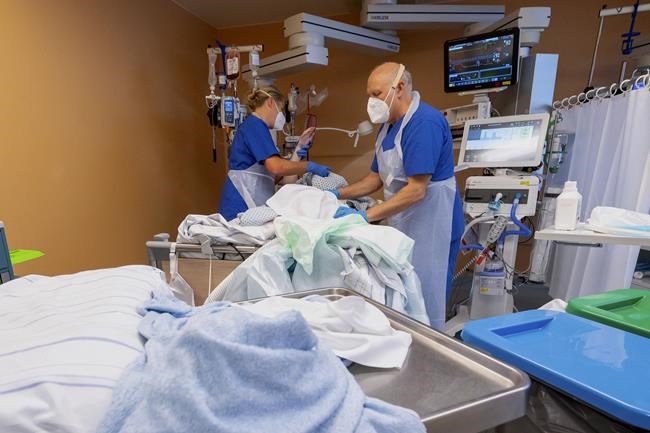
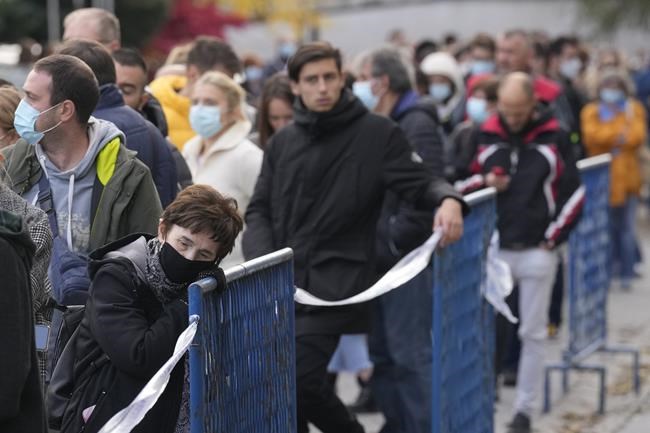
Several countries in Central and Eastern Europe have seen daily case numbers shoot up in recent weeks.

At an online briefing Thursday by the Amsterdam-based European Medicines Agency, experts urged people to get vaccinated.
“The epidemiological situation in Europe is very concerning now as we head into the winter with increases in infection rates, hospitalization and we can also see the increase in fatalities,” said Fergus Sweeney, the EMA’s head of clinical studies and manufacturing task force.
He stressed that “it’s very important that everybody gets vaccinated or completes their dose of vaccination if they’ve already had a first dose but not a second dose. It’s really important that we’re all vaccinated because we are not all protected until everyone is protected in that respect.”
___
Follow AP’s pandemic coverage at https://apnews.com/hub/coronavirus-pandemic