How quickly do I need a second COVID-19 vaccine shot?
Advertisement
Read this article for free:
or
Already have an account? Log in here »
To continue reading, please subscribe:

Digital Subscription
One year of digital access for only $205*
- Enjoy unlimited reading on winnipegfreepress.com
- Read the E-Edition, our digital replica newspaper
- Access News Break, our award-winning app
- Play interactive puzzles
*First annual payment billed as $205.00 + GST for one year. This annual subscription will automatically renew at $233.00 + GST every 52 weeks (10% off the regular annual price of $259.35). Offer available to new and qualified returning subscribers only. Cancel any time.
To continue reading, please subscribe:
Add Free Press access to your Brandon Sun subscription for only an additional
$1 for the first 4 weeks*
- Enjoy unlimited reading on winnipegfreepress.com
- Read the E-Edition, our digital replica newspaper
- Access News Break, our award-winning app
- Play interactive puzzles
*Your next Brandon Sun subscription payment will increase by $1.00 and you will be charged $17.95 plus GST for four weeks. After four weeks, your payment will increase to $24.95 plus GST every four weeks.
Read unlimited articles for free today:
or
Already have an account? Log in here »
Hey there, time traveller!
This article was published 07/01/2021 (2017 days ago), so information in it may no longer be current.
How quickly do I need a second COVID-19 vaccine shot?
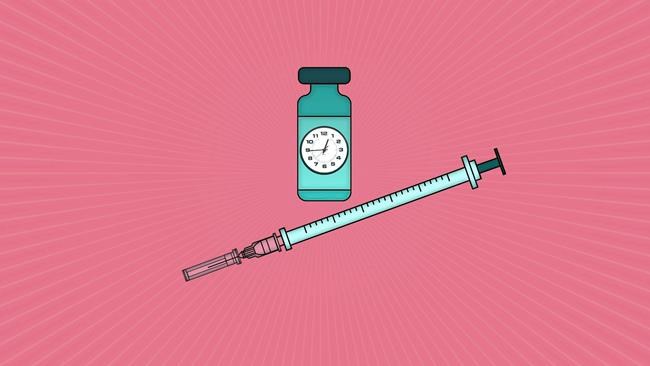
The first COVID-19 vaccines in the U.S. require two doses a few weeks apart.
People should get some degree of protection within two weeks of the first shot, with the second shot bringing about the vaccine’s full protection. For the vaccine by Pfizer and Germany’s BioNTech, the second shot is supposed to be after three weeks. For Moderna, it’s four weeks.
But how closely those guidelines should be followed has been a point of difference for the United States and the United Kingdom, which has been rolling out the Pfizer vaccine and one by Astrazeneca that requires two doses given four weeks apart.
To get more first shots into people and give them at least some degree of protection, the UK says it’s OK to delay the boosters for as long as 12 weeks. But that strategy has been nixed in the U.S., where regulators say there’s no science backing the approach.
A major concern is that it’s unknown how long the partial protection from one dose can last. “There is no data to demonstrate that protection after the first dose is sustained after 21 days,” Pfizer said.
U.S. regulators agreed, saying too few people in the Pfizer and Moderna vaccine studies missed their scheduled boosters to have enough data to show the strategy might work.
The timing of the shots doesn’t have to be exact in the U.S., though; the Centers for Disease Control and Prevention says the second shots can be given up to four days earlier or later.
___

The AP is answering your questions about the coronavirus in this series. Submit them at: FactCheck@AP.org.
Read previous Viral Questions:
Can employers make COVID-19 vaccination mandatory?
Will children be able to get COVID-19 vaccines?
Can I stop wearing a mask after getting a COVID-19 vaccine?