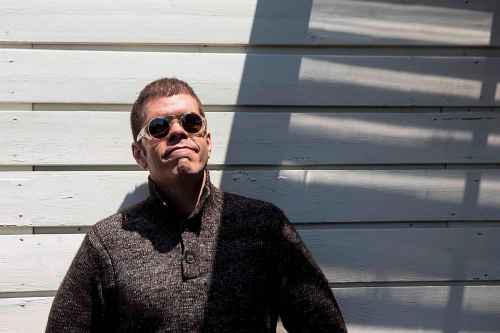
Right now, to thine own self-care choices be true
Choosing to consider our own well-being important in time of coronavirus concerns

Advertisement
Read this article for free:
or
Already have an account? Log in here »
To continue reading, please subscribe:

Digital Subscription
One year of digital access for only $205*
- Enjoy unlimited reading on winnipegfreepress.com
- Read the E-Edition, our digital replica newspaper
- Access News Break, our award-winning app
- Play interactive puzzles
*First annual payment billed as $205.00 + GST for one year. This annual subscription will automatically renew at $233.00 + GST every 52 weeks (10% off the regular annual price of $259.35). Offer available to new and qualified returning subscribers only. Cancel any time.
To continue reading, please subscribe:
Add Free Press access to your Brandon Sun subscription for only an additional
$1 for the first 4 weeks*
- Enjoy unlimited reading on winnipegfreepress.com
- Read the E-Edition, our digital replica newspaper
- Access News Break, our award-winning app
- Play interactive puzzles
*Your next Brandon Sun subscription payment will increase by $1.00 and you will be charged $17.95 plus GST for four weeks. After four weeks, your payment will increase to $24.95 plus GST every four weeks.
Read unlimited articles for free today:
or
Already have an account? Log in here »
Hey there, time traveller!
This article was published 18/03/2020 (2336 days ago), so information in it may no longer be current.
What do you think of when you hear the term “self-care”?
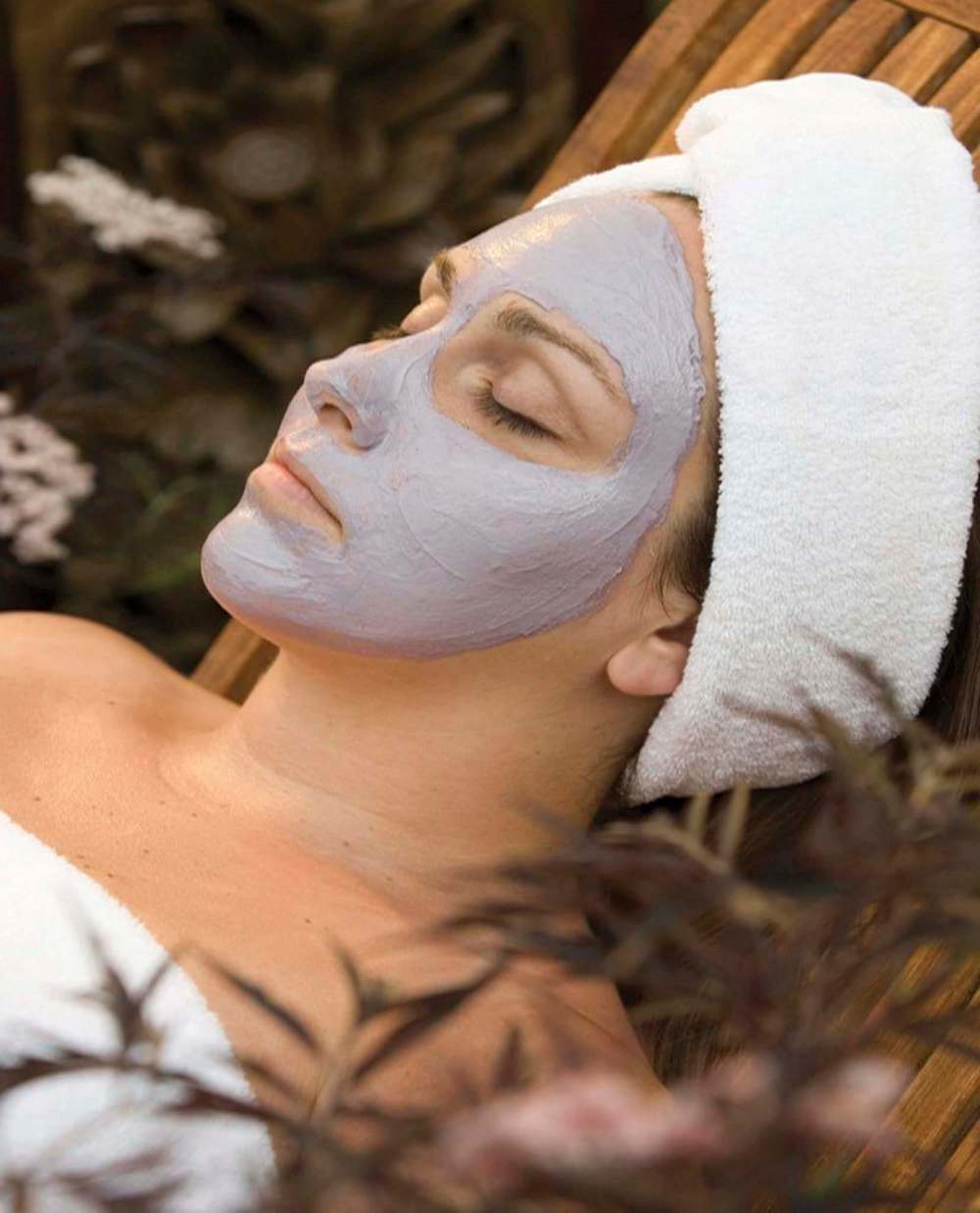
I think of face masks. Not the kind from Home Depot people started hoarding when coronavirus began spreading, but the fancy sheet kind — you know, the kind you think of when you hear the term self-care.
“Self-care” has become a buzzword, a term that has been co-opted and warped by capitalism. It’s now a way for Instagram influencers to sell $67 candles and jade rollers and the promise of “feeling well” — or, at least, feeling better about, um, living under capitalism. It’s Treat Yourself-Care. Oh, the world is on fire and you have to have a side-hustle to make rent? Do a face mask!
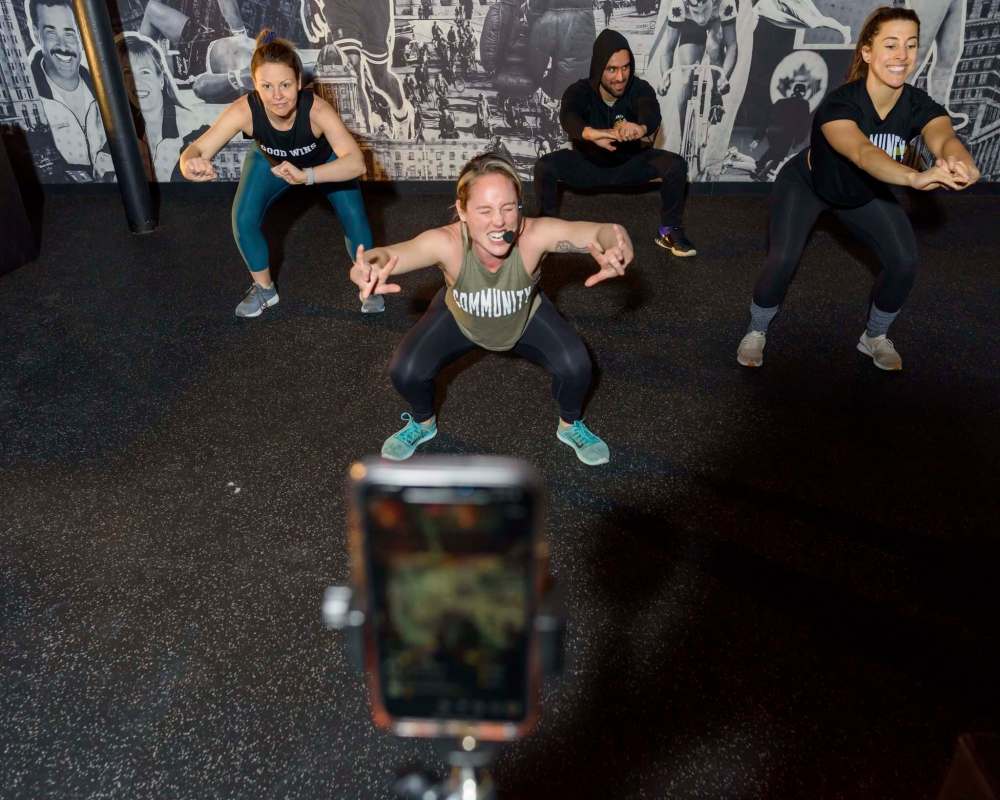
But while the wellness-industrial complex doesn’t have a place in a pandemic, self-care does. In fact, taking care of ourselves is one of the most important things we can do right now.
Yoga studios and gyms are closing. Salons are closing. Many of the things we typically associate with caring for ourselves — fitness classes, haircuts, pedicures, massages — are not available to us right now. Many people feel in freefall as a result. The loss of routine is destabilizing, especially for people who use structure to ensure good mental health.
And so, right now, self care — the actual act of caring for ourselves — might look like the basics. It might look like getting outside for a walk in nature. It might look like cooking at home, but it also might look like ordering in if you want to support a local business and lack the energy to turn on the stove. It might look like putting down your phone, or deleting the Twitter app, or taking breaks from what has been a truly punishing news cycle. It might look like arranging a FaceTime coffee date with a pal. It might look like doing a YouTube workout. It might look like de-stressing activities such as reading a book or taking a bath or binge-watching a TV show. (Yes, it can also look like a face mask.)
But self-care can also look more like survival. It looks like washing your hands and staying home. It looks like asking for help. It looks like drinking water. It looks like remembering to eat and take your meds. It looks like sleep.
I once asked Buffy Sainte-Marie about the importance of self-care in preventing burnout as an activist. “You’re no good to anyone dead,” was her response. Indeed, if we’ve learned anything from all of this, it’s that taking care of ourselves is ultimately how we are able to take care of each other.

Sometimes, self-care is used interchangeably with self-improvement. Perhaps that’s why self-care is often viewed as A Thing For Women. It’s about striving to not just be well, but to be optimal.
People keep tweeting that Shakespeare wrote King Lear and Macbeth during a plague which, bully for Shakespeare. But please do not feel pressured to turn this time into a productivity boot camp. If you want to make stuff in self-isolation, great. If you want to use this time to making sure you don’t totally unravel, that’s also perfectly reasonable.
Things are uncertain and ever-changing. Learn, if you can, to be flexible. Give yourself permission to rest. Release yourself from sky-high expectations. Now is the time to be gentle with ourselves, so we may be gentle with each other.
jen.zoratti@freepress.mb.ca
Twitter: @JenZoratti
Jen Zoratti is a columnist and feature writer working in the Arts & Life department, as well as the author of the weekly newsletter NEXT. A National Newspaper Award finalist for arts and entertainment writing, Jen is a graduate of the Creative Communications program at RRC Polytech and was a music writer before joining the Free Press in 2013. Read more about Jen.
Every piece of reporting Jen produces is reviewed by an editing team before it is posted online or published in print – part of the Free Press‘s tradition, since 1872, of producing reliable independent journalism. Read more about Free Press’s history and mandate, and learn how our newsroom operates.
Our newsroom depends on a growing audience of readers to power our journalism. If you are not a paid reader, please consider becoming a subscriber.
Our newsroom depends on its audience of readers to power our journalism. Thank you for your support.
Jen Zoratti is a columnist and feature writer working in the Arts & Life department, as well as the author of the weekly newsletter NEXT. A National Newspaper Award finalist for arts and entertainment writing, Jen is a graduate of the Creative Communications program at RRC Polytech and was a music writer before joining the Free Press in 2013. Read more about Jen.
Every piece of reporting Jen produces is reviewed by an editing team before it is posted online or published in print – part of the Free Press‘s tradition, since 1872, of producing reliable independent journalism. Read more about Free Press’s history and mandate, and learn how our newsroom operates.
Our newsroom depends on a growing audience of readers to power our journalism. If you are not a paid reader, please consider becoming a subscriber.
Our newsroom depends on its audience of readers to power our journalism. Thank you for your support.
Advertisement Advertise With Us
Advertisement Advertise With Us