Routine food inspections halted by US government shutdown
Advertisement
Read this article for free:
or
Already have an account? Log in here »
To continue reading, please subscribe:

Digital Subscription
One year of digital access for only $205*
- Enjoy unlimited reading on winnipegfreepress.com
- Read the E-Edition, our digital replica newspaper
- Access News Break, our award-winning app
- Play interactive puzzles
*First annual payment billed as $205.00 + GST for one year. This annual subscription will automatically renew at $233.00 + GST every 52 weeks (10% off the regular annual price of $259.35). Offer available to new and qualified returning subscribers only. Cancel any time.
To continue reading, please subscribe:
Add Free Press access to your Brandon Sun subscription for only an additional
$1 for the first 4 weeks*
- Enjoy unlimited reading on winnipegfreepress.com
- Read the E-Edition, our digital replica newspaper
- Access News Break, our award-winning app
- Play interactive puzzles
*Your next Brandon Sun subscription payment will increase by $1.00 and you will be charged $17.95 plus GST for four weeks. After four weeks, your payment will increase to $24.95 plus GST every four weeks.
Read unlimited articles for free today:
or
Already have an account? Log in here »
Hey there, time traveller!
This article was published 09/01/2019 (2754 days ago), so information in it may no longer be current.
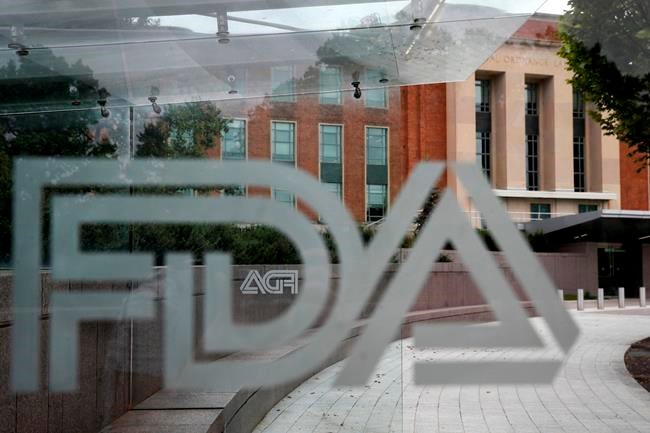
NEW YORK – Routine food inspections aren’t getting done because of the partial government shutdown, but checks of the riskiest foods are expected to resume next week, the Food and Drug Administration said Wednesday.
The agency said it’s working to bring back about 150 employees to inspect riskier foods such as cheese, infant formula and produce. FDA Commissioner Scott Gottlieb said the agency can’t make the case that “a routine inspection of a Nabisco cracker facility” is necessary during the shutdown, however.
The FDA doesn’t oversee meat and poultry and those inspections are continuing.
Gottlieb said FDA inspections would have ramped up this week for the first time since the holidays, so the lapse in inspections of high-risk foods will not be significant if they resume soon. He said his concern would grow if those inspections were halted for several weeks.
The FDA conducts about 8,400 domestic inspections a year, or an average of 160 a week, Gottlieb said. He said about a third inspections are at places that handle high-risk foods. Factors that determine whether a food is more susceptible to contamination include the type of food, how it’s made, and the facility’s history of violations.
The FDA oversees about three-quarters of the food supply, including packaged foods and produce. The agency said all imported foods will continue to be inspected and that critical functions, such as monitoring for food poisoning outbreaks, remain up and running. Sampling of some foods such as frozen berries for contamination has also continued, Gottlieb said.
The Centers for Disease Control and Prevention, which helps with tainted food outbreaks, is not affected by the partial shutdown and on Wednesday said the E. coli outbreak linked to romaine lettuce appears to be over . The FDA said its investigation into that outbreak will also continue.
The Department of Agriculture has said its inspections of meat, poultry and processed eggs will continue, and that 89 per cent of its food safety employees are still working. Restaurants are overseen by local health agencies.
Sarah Sorscher, deputy director of regulatory affairs at the Center for Science in the Public Interest, said the FDA’s short-term lapse in routine food inspections isn’t a cause for worry, but will be if the shutdown continues.
“That’s more and more issues they’re potentially not catching,” she said.
She said a long shutdown could hinder the FDA’s work on implementing new food safety standards .
In 2017, a government report noted the number of facilities the FDA inspects has declined, and that it did not always take effective action to ensure violations were corrected. The report noted that the agency inspected about 19 per cent of all food facilities in 2015.
___
The Associated Press Health and Science Department receives support from the Howard Hughes Medical Institute’s Department of Science Education. The AP is solely responsible for all content.