Tempers rise as German government’s clean heating plans moved to back burner
Advertisement
Read this article for free:
or
Already have an account? Log in here »
To continue reading, please subscribe:

Digital Subscription
One year of digital access for only $205*
- Enjoy unlimited reading on winnipegfreepress.com
- Read the E-Edition, our digital replica newspaper
- Access News Break, our award-winning app
- Play interactive puzzles
*First annual payment billed as $205.00 + GST for one year. This annual subscription will automatically renew at $233.00 + GST every 52 weeks (10% off the regular annual price of $259.35). Offer available to new and qualified returning subscribers only. Cancel any time.
To continue reading, please subscribe:
Add Free Press access to your Brandon Sun subscription for only an additional
$1 for the first 4 weeks*
- Enjoy unlimited reading on winnipegfreepress.com
- Read the E-Edition, our digital replica newspaper
- Access News Break, our award-winning app
- Play interactive puzzles
*Your next Brandon Sun subscription payment will increase by $1.00 and you will be charged $17.95 plus GST for four weeks. After four weeks, your payment will increase to $24.95 plus GST every four weeks.
Read unlimited articles for free today:
or
Already have an account? Log in here »
Hey there, time traveller!
This article was published 23/05/2023 (1211 days ago), so information in it may no longer be current.
BERLIN (AP) — Germany’s government is facing a major test after two junior partners in Chancellor Olaf Scholz’s three-party coalition sparred publicly over a key element in the country’s ambitious climate policy.
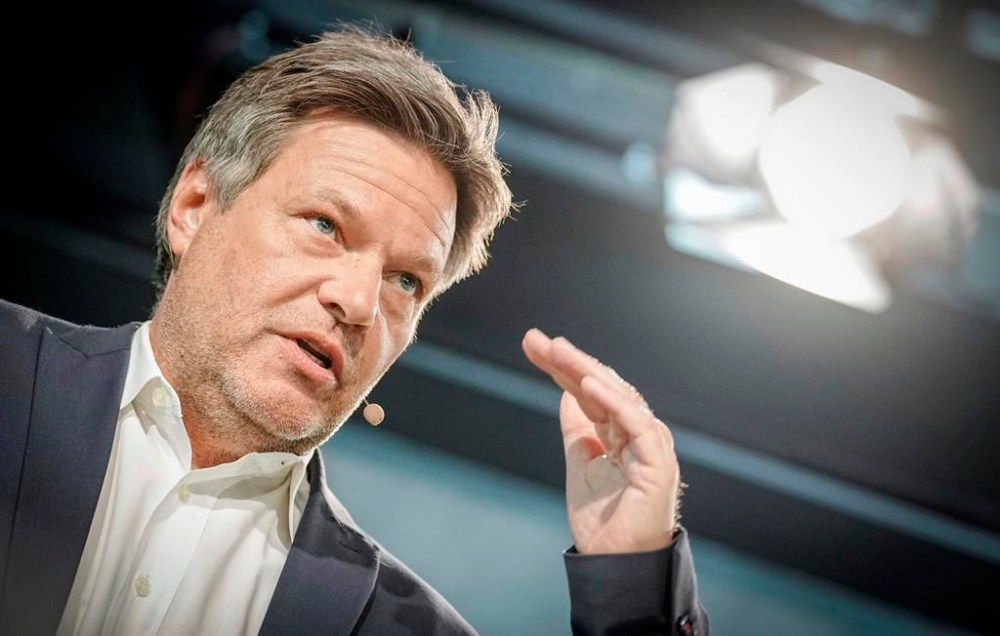
Economy and Energy Minister Robert Habeck of the environmentalist Greens accused the libertarian Free Democratic Party of backtracking on agreements by refusing to let lawmakers debate a bill for replacing home heating systems with greener alternatives.
The bill was approved by Cabinet in March after months of intense haggling between the parties. A major stumbling block was the Green party’s demand that the installation of new oil or gas furnaces should be banned from next year to ensure Germany can meet its target of reducing greenhouse gas emissions to net zero by 2045.
A compromise saw numerous exceptions and subsidies included in the bill, but the Free Democrats later said they still had misgivings, meaning it is unlikely to be taken up by parliament before the summer recess.
“In my view this is a breach of promise,” Habeck told reporters in Berlin.
“If you enter into government and give your word, then you stand by your word,” he added.
Christian Duerr, the caucus leader of the Free Democrats, defended his party’s stance, saying there were “significant questions and problems” with the bill.
Populist newspapers have claimed that installing climate-friendly heat pumps will be hugely expensive and may not be feasible in older buildings, though such systems are widely used in neighboring countries. Experts counter that a failure to replace fossil fuel heatings will end up costing homeowners more as the price of oil and gas rise sharply in the coming decades because of emissions surcharges agreed at the European level.

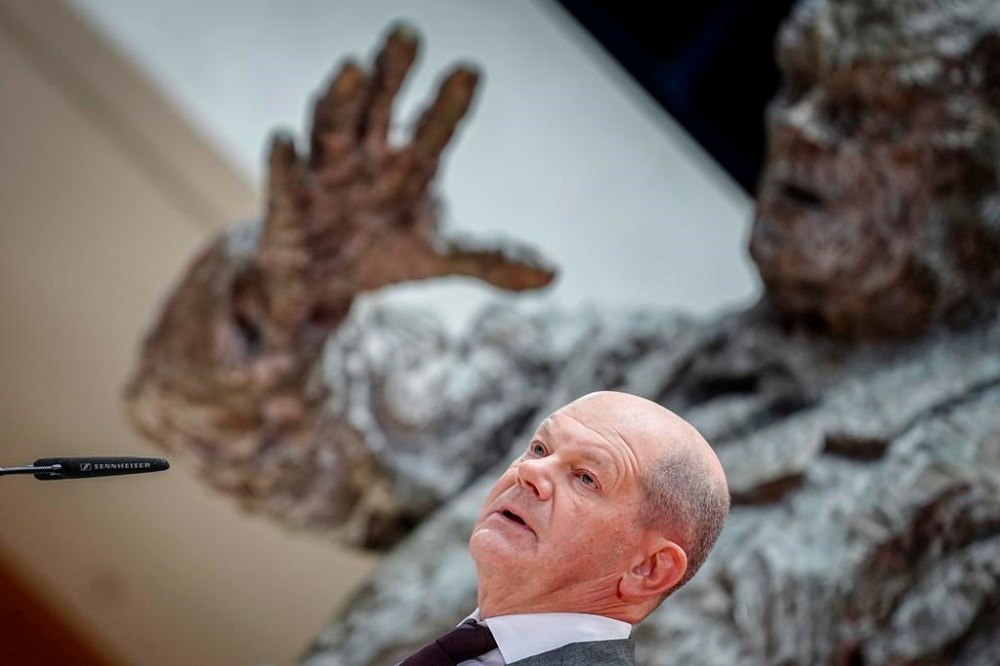
Scholz has largely tried to sit out the spat between his two junior partners, but told members of his own center-left Social Democratic Party on Tuesday that Germany’s transformation to a carbon-neutral economy can only succeed if politicians can convince voters that their fears are taken seriously and the changes will benefit them.
In a speech celebrating the party’s 160th anniversary, Scholz said that climate change requires an “existential transformation” that couldn’t be ignored, citing recent floods in Italy and a deadly deluge in Germany two years ago. Scientists say both disasters were examples of the weather extremes that will become more likely because of global warming.
The German leader has faced criticism from climate activists for not doing enough to curb the emissions of Europe’s biggest economy. Shortly after Scholz’s speech, members of the group Last Generation sprayed orange paint on his party’s headquarters in Berlin.
Opposition leader Friedrich Merz accused Scholz of failing to show leadership by putting an end to the arguments between his coalition partners.
“Germany deserves better than a government that bickers on the open stage like this and clearly isn’t prepared or able to find solutions anymore,” he said.