Cape Cod strands more dolphins than anywhere else. Now they’re getting their own hospital
Advertisement
Read this article for free:
or
Already have an account? Log in here »
To continue reading, please subscribe:

Digital Subscription
One year of digital access for only $205*
- Enjoy unlimited reading on winnipegfreepress.com
- Read the E-Edition, our digital replica newspaper
- Access News Break, our award-winning app
- Play interactive puzzles
*First annual payment billed as $205.00 + GST for one year. This annual subscription will automatically renew at $233.00 + GST every 52 weeks (10% off the regular annual price of $259.35). Offer available to new and qualified returning subscribers only. Cancel any time.
To continue reading, please subscribe:
Add Free Press access to your Brandon Sun subscription for only an additional
$1 for the first 4 weeks*
- Enjoy unlimited reading on winnipegfreepress.com
- Read the E-Edition, our digital replica newspaper
- Access News Break, our award-winning app
- Play interactive puzzles
*Your next Brandon Sun subscription payment will increase by $1.00 and you will be charged $17.95 plus GST for four weeks. After four weeks, your payment will increase to $24.95 plus GST every four weeks.
Read unlimited articles for free today:
or
Already have an account? Log in here »
Hey there, time traveller!
This article was published 23/08/2023 (1127 days ago), so information in it may no longer be current.
When members of the marine mammal team from the International Fund for Animal Welfare rush to a Cape Cod beach to help a stranded dolphin or porpoise, they have no choice but to treat the endangered animal on site and then immediately release it.
That is about to change.
The organization, which protects animals worldwide, is opening a first-of-its-kind short-term dolphin hospital on Cape Cod this month that it hopes will not only improve survivability rates, but also enhance the research it has developed over 25 years.
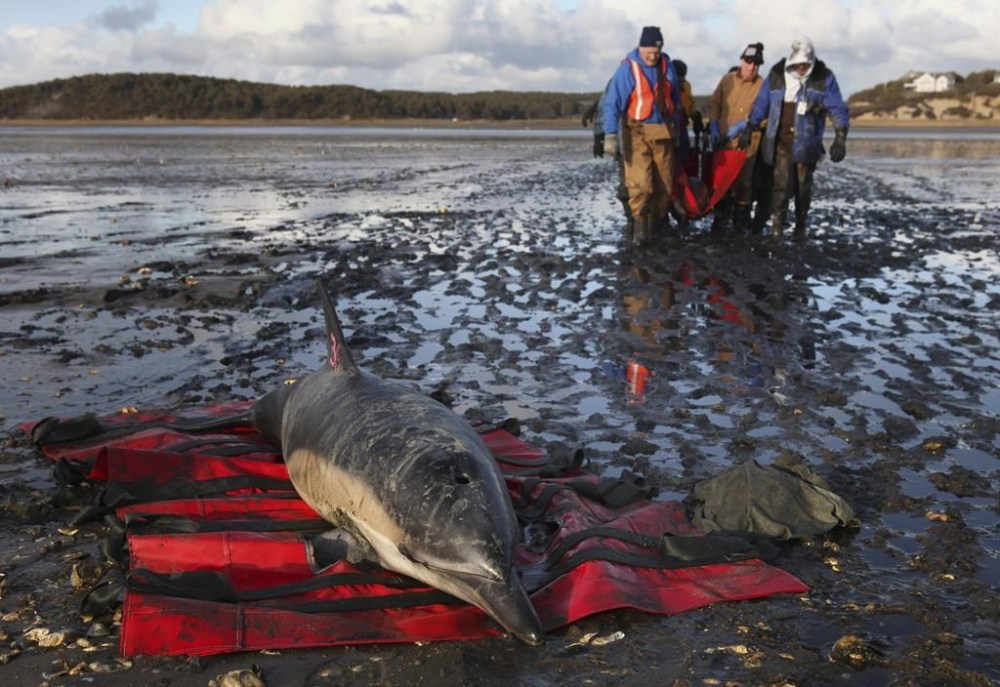
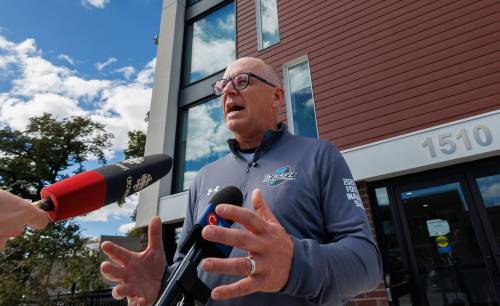
Stranded marine mammals are stressed, in shock and dehydrated, said Brian Sharp, director of the rescue team. Simply caring for them at the scene is often not enough. They need additional diagnostics, treatment and recovery time.
“With this ICU for dolphins, we’ll be able to get them treatment that’s needed, then be able to release them quickly,” he said.
While there are marine mammal rehabilitation centers that can take care of animals for months or even years, the goal of this facility is to release them back into the ocean within four days, he said.
“This is the first time that this has been attempted before,” Sharp said.
There are more live marine mammal strandings on Cape Cod than anywhere else in the world, Sharp said. The welfare fund has responded to more than 400 live stranded dolphins, whales and porpoises in the region in the past five years alone, the organization said in a news release.
Cape Cod is a good habitat for dolphins, but a risky one. Its geography — it is basically a hook-shaped spit of sand jutting into the ocean — can make dolphin navigation difficult, and 12-foot tides can quickly expose a mile of beach.

The 4,200-square-foot (390-square-meter) Dolphin Rescue Center is in a renovated retail space in downtown Orleans.
It includes an 1,800-square-foot (167-square-meter) rehabilitation area with two treatment pools 15 feet (4.3 meters) across and a veterinary laboratory. The public will not be permitted to have direct contact with the animals being a cared for, but there is also an education center where visitors will be able to watch the recovering animals on a monitor.
Staffed by four full-time workers, it is equipped to provide round-the-clock care. It will start by treating one animal at a time, but the goal is to eventually treat multiple animals simultaneously.
The privately funded center has been federally inspected and expects to open by the end of the month, Sharp said.
“We want to take what we learn here and share it nationally, internationally,” he said.