A Sumatran rhino calf born in Indonesia adds to an endangered species of fewer than 50 animals
Advertisement
Read this article for free:
or
Already have an account? Log in here »
To continue reading, please subscribe:

Digital Subscription
One year of digital access for only $205*
- Enjoy unlimited reading on winnipegfreepress.com
- Read the E-Edition, our digital replica newspaper
- Access News Break, our award-winning app
- Play interactive puzzles
*First annual payment billed as $205.00 + GST for one year. This annual subscription will automatically renew at $233.00 + GST every 52 weeks (10% off the regular annual price of $259.35). Offer available to new and qualified returning subscribers only. Cancel any time.
To continue reading, please subscribe:
Add Free Press access to your Brandon Sun subscription for only an additional
$1 for the first 4 weeks*
- Enjoy unlimited reading on winnipegfreepress.com
- Read the E-Edition, our digital replica newspaper
- Access News Break, our award-winning app
- Play interactive puzzles
*Your next Brandon Sun subscription payment will increase by $1.00 and you will be charged $17.95 plus GST for four weeks. After four weeks, your payment will increase to $24.95 plus GST every four weeks.
Read unlimited articles for free today:
or
Already have an account? Log in here »
Hey there, time traveller!
This article was published 27/11/2023 (1054 days ago), so information in it may no longer be current.
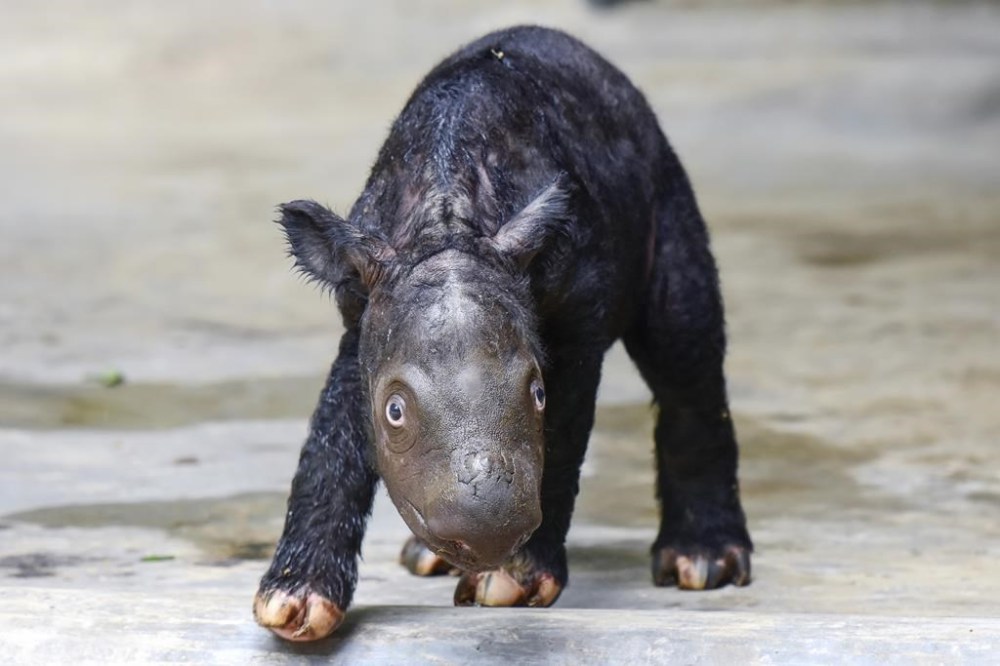
JAKARTA, Indonesia (AP) — A critically endangered Sumatran rhino was born in Indonesia’s western island of Sumatra on Saturday, the second Sumatran rhino born in the country this year and a welcome addition to a species that currently numbers fewer than 50 animals.
A female named Delilah gave birth to a 25-kilogram (55-pound) male calf at a sanctuary for Sumatran rhinos in Way Kambas National Park in Lampung province, at the southern tip of Sumatra island.
The calf is fathered by a male named Harapan, who was born at the Cincinnati Zoo in 2006. He was the last Sumatran rhino in the world to be repatriated to Indonesia, meaning that the entire population of Sumatran rhinos is now in Indonesia.
Most of the remaining rhinos live on Sumatra, several in captivity. They are threatened by destruction of tropical forest habitat and poachers who kill the animals for their horns, which are prized for making ornaments and for use in traditional medicine in China and other parts of Asia.
“This birth is also the birth of the second Sumatran rhino in 2023. It emphasizes the government commitment of the Indonesian Government on the rhino conservation efforts in Indonesia, especially the Sumatran rhino,” Indonesian Environment and Forestry Minister Siti Nurbaya Bakar said in a written statement.
She added that, from the semi-natural breeding efforts, there were five live births of Sumatran rhinos at the Way Kambas sanctuary.
A conservation guard found Delilah with the newborn male calf next to her on Saturday morning, 10 days earlier than the estimated date of delivery.
Delilah and her baby are in good condition as the calf is now able to stand upright and walk. Not long after he was discovered, he was able to breastfeed in a standing position, said a statement from Indonesia’ Environment and Forestry Ministry.

The Sumatran rhino is legally protected in Indonesia. The IUCN Red List of Threatened Species describes the Sumatran rhinos as critically endangered: the population is declining and only about 30 mature animals remain.
The yet-to-be-named calf is the first success delivery from Delilah.
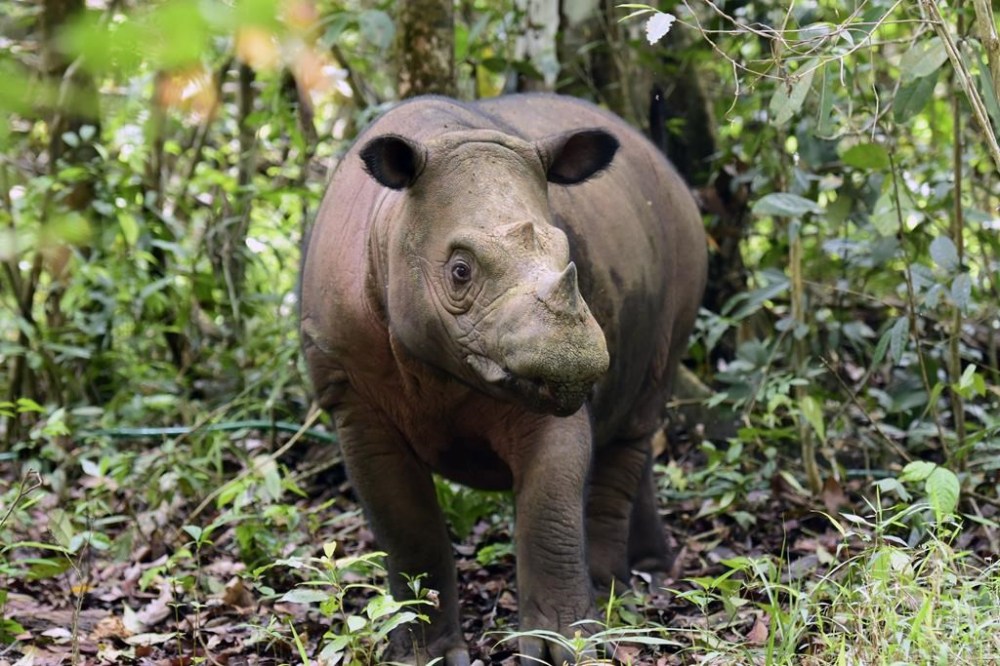
Delilah, a 7-year-old female, was born in an Indonesian sanctuary in 2016.
She was the second calf born to her mother, Ratu, who also gave birth to a male named Andatu in 2012, the first rhino birth in captivity in Indonesia in 124 years. The father, Andalas, was born at the Cincinnati Zoo in 2001.
In September, Ratu, a 23-year-old female rhino, gave birth to a female rhino at the sanctuary in Lampung. Sumatran rhinos typically have a life expectancy of 35 to 40 years, according to the WWF conservation group.