Nevada tribe says coalitions, not lawsuits, will protect sacred sites as US advances energy agenda
Advertisement
Read this article for free:
or
Already have an account? Log in here »
To continue reading, please subscribe:

Digital Subscription
One year of digital access for only $205*
- Enjoy unlimited reading on winnipegfreepress.com
- Read the E-Edition, our digital replica newspaper
- Access News Break, our award-winning app
- Play interactive puzzles
*First annual payment billed as $205.00 + GST for one year. This annual subscription will automatically renew at $233.00 + GST every 52 weeks (10% off the regular annual price of $259.35). Offer available to new and qualified returning subscribers only. Cancel any time.
To continue reading, please subscribe:
Add Free Press access to your Brandon Sun subscription for only an additional
$1 for the first 4 weeks*
- Enjoy unlimited reading on winnipegfreepress.com
- Read the E-Edition, our digital replica newspaper
- Access News Break, our award-winning app
- Play interactive puzzles
*Your next Brandon Sun subscription payment will increase by $1.00 and you will be charged $17.95 plus GST for four weeks. After four weeks, your payment will increase to $24.95 plus GST every four weeks.
Read unlimited articles for free today:
or
Already have an account? Log in here »
Hey there, time traveller!
This article was published 23/12/2023 (1014 days ago), so information in it may no longer be current.
RENO, Nev. (AP) — The room was packed with Native American leaders from across the United States, all invited to Washington to hear from federal officials about President Joe Biden’s accomplishments and new policy directives aimed at improving relationships and protecting sacred sites.
Arlan Melendez was not among them.
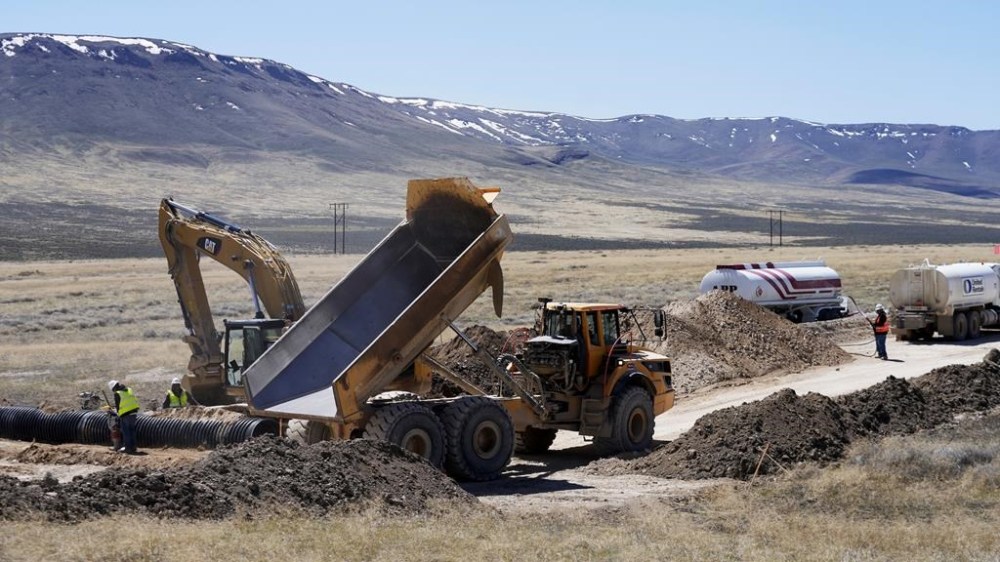
The longtime chairman of the Reno-Sparks Indian Colony convened his own meeting 2,500 miles (4,023 kilometers) away. He wanted to show his community would find another way to fight the U.S. government’s approval of a massive lithium mine at the site where more than two dozen of their Paiute and Shoshone ancestors were massacred in 1865.
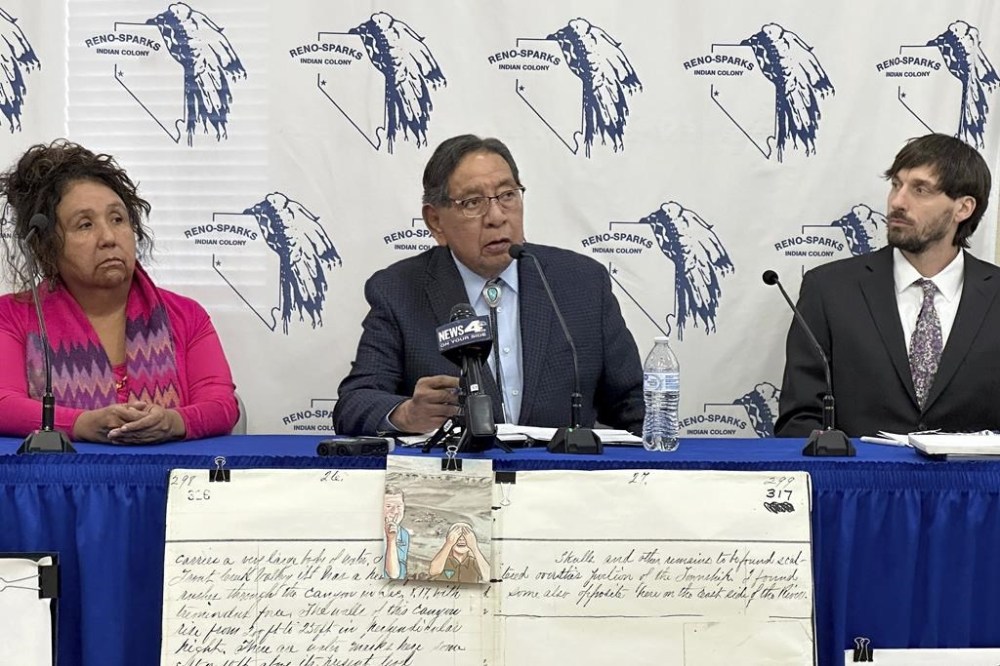
Opposed by government lawyers at every legal turn, Melendez said another arduous appeal would not save sacred sites from being desecrated.
“We’re not giving up the fight, but we are changing our strategy,” Melendez said.
That shift for the Nevada tribe comes as Biden and other top federal officials double down on their vows to do a better job of working with Native American leaders on everything from making federal funding more accessible to incorporating tribal voices into land preservation efforts and resource management planning.
The administration also has touted more spending on infrastructure and health care across Indian Country.
Many tribes have benefited, including those who led campaigns to establish new national monuments in Utah and Arizona. In New Mexico, pueblos have succeeded in getting the Interior Department to ban new oil and natural gas development on hundreds of square miles of federal land for 20 years to protect culturally significant areas.
But the colony in Reno and others like the Tohono O’odham Nation in Arizona say promises of more cooperation ring hollow when it comes to high-stakes battles over multibillion-dollar “green energy” projects. Some tribal leaders have said consultation resulted in little more than listening sessions, with federal officials not incorporating tribal comments into the decision making.
Rather than pursue its claims in court that the federal government failed to engage in meaningful consultation regarding the lithium mine at Thacker Pass, the Reno-Sparks Indian Colony will focus on organizing a broad coalition to build public support for sacred places.
Tribal members are concerned other culturally significant areas will end up in the path of a modern day Gold Rush that has companies scouting for lithium and other materials needed to meet Biden’s clean energy agenda.
Melendez was among those thrilled when Biden appointed Deb Haaland to lead the Interior Department. A member of Laguna Pueblo, Haaland is the first Native American to serve as a cabinet secretary.
Melendez, a former member of the U.S. Human Rights Commission who has led his colony for 32 years, said he understands the difficulty of navigating the electoral landscape in a western swing state where the mining industry’s political clout is second only to the power wielded by casinos.
Still, he was disappointed Haaland declined an invitation to visit the massacre site.
“The largest lithium project in the United States and they don’t even have the time to come out here and meet with the tribal nations in the state of Nevada,” he said.
The tribe’s lawyer, Will Falk, urged other tribes to resist “tricking ourselves into believing that just because the first Native American secretary of Interior is in office that she actually cares about protecting sacred sites.”
Interior Department spokeswoman Melissa Schwartz didn’t respond directly to that criticism but said in an email to The Associated Press that there has been “significant communications and partnership with tribes in Nevada.”
The federal government in early December published new guidance for dealing with sacred sites. While Falk and others are skeptical, they acknowledged the document speaks to concerns tribes have raised for decades.
Among other things, the guidance says federal agencies should involve tribes as early as possible when planning projects to identify potential impacts to sacred sites and to determine whether mitigation measures can allay concerns. Agencies also should consult with tribes that attach significance to the project area, regardless of where they are located.
It also suggests Indigenous knowledge should be on equal footing with other sciences and incorporated into the federal decision-making process. That knowledge can consist of practices, cultural beliefs and oral and written histories that tribes have developed over many generations.
Justin C. Ahasteen, executive director of the Navajo Nation Washington (D.C.) Office, said the new guidance appears to have incorporated some of the recommendations made by tribal leaders but that it could have gone further.
“If this guidebook increases transparency in the consultation process, we will take it as a win,” Ahasteen said. “But ultimately the thing we all seek is for the federal government to acknowledge the necessity of tribal consent before changing rules that affect tribes.”
The problem, Falk said, is none of it is legally binding.
“These kinds of documents function more as pacifying propaganda,” he said.
Western Shoshone Defense Project Director Fermina Stevens said the changes were “more ‘lip service’ for the government to deal with the ‘Indian problem’ in this new day and age of mineral extraction.”
Morgan Rodman, executive director of the White House Council on Native American Affairs, disagrees. He said the guidance is intended to serve as a springboard to improve engagement with tribes and that the administration will be aggressive with training to make sure employees have an understanding of what sacred sites are.
“While change certainly doesn’t happen overnight, it’s part of a continuum of important policy statements — part of the momentum we’ve been building the last three years,” he said in an interview.
Rodman made clear he wasn’t referencing Thacker Pass, but some directives he highlighted have been key points of contention in that case.
U.S. Judge Miranda Du in Reno twice ruled the tribe failed to prove the massacre occurred on the specific grounds of the mining project, or that far-flung tribes had a legal stake in the fight. The 9th U.S. Circuit Court of Appeals upheld her earlier ruling in July.
The tribe says the government has ignored evidence that the land they consider sacred isn’t limited to a specific site where the U.S. Calvary first attacked men, women and children as they slept.
They cited newspaper accounts, diaries and a government surveyor’s report documenting human skulls discovered along a miles-long escape route crossing the mine site where troops killed and scalped those who tried to flee.

Tribal historic preservation officer Michon Eben said the whole stretch is an unmarked burial ground.
Melendez said he’s pleased Biden has promised to enhance consultation.
But if federal agencies don’t follow through, he said, “Well, it’s just words that really don’t mean anything to us.”
___
Associated Press writer Susan Montoya Bryan contributed to this report from Albuquerque, New Mexico.